Updated June 10, 2026
Article highlights
- Mesothelioma is caused by inhaling asbestos fibres.
- Symptoms often appear 20–40 years after exposure.
- There is no cure, but treatments can extend life and improve quality of life.
- Avoid all contact with asbestos; professional removal is essential.
- Licensed asbestos removalists can inspect, test, and safely remove asbestos.
When asbestos fibres are inhaled, they reside inside the body, causing a rare form of cancer called mesothelioma. Each year, up to 800 Australians are diagnosed with mesothelioma, and an increasing number of people die from the terminal disease each year. With 688 deaths from mesothelioma recorded in 2023, compared to 416 in 1997 (AIHW, 2025; Figure 8).
For this reason, it is imperative to avoid contact with asbestos. If you believe asbestos may be present in your home or workplace, contact a licensed asbestos removalist to minimise exposure.
In this blog article, we will discuss what mesothelioma is, how it affects the body, and how to avoid developing mesothelioma.
What is mesothelioma?
Mesothelioma is a cancer that affects the mesothelium and the mesothelial cells. The mesothelium is a lining that covers most of the body’s internal organs, protecting them from rubbing against each other.
There are four main types of mesothelioma:
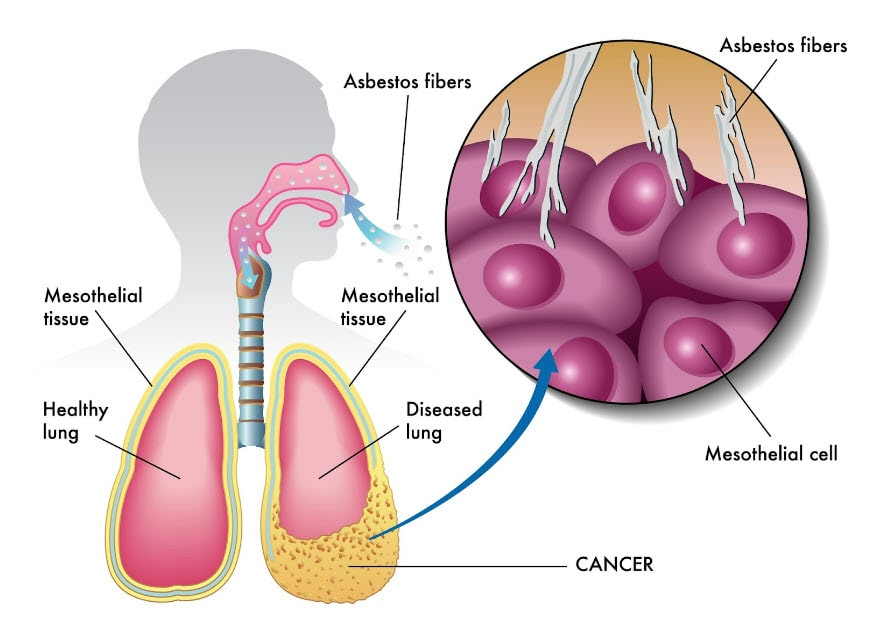
Malignant pleural mesothelioma
Malignant pleural mesothelioma is a type of cancer that forms in the lung lining and is the most common form of mesothelioma, accounting for around 90% of cases.
Malignant peritoneal mesothelioma
Malignant peritoneal mesothelioma affects the tissue lining around the abdomen. It accounts for around 10% of cases.
Malignant pericardial mesothelioma
Malignant pericardial mesothelioma is a rare form of mesothelioma that affects the tissue around the heart.
Malignant testicular mesothelioma
Malignant testicular mesothelioma is a very rare type of cancer that affects the lining of the testicles. Testicular mesothelioma makes up less than 1% of all mesothelioma cases.
What is the main cause of mesothelioma?
Mesothelioma is caused by exposure to asbestos. Asbestos is a group of minerals found in rocks and soil. They are made up of tiny fibres that can be released into the air and inhaled, which can then lodge themselves in the lining of the lungs, abdomen, or heart.
Most people who develop mesothelioma have worked in jobs where they were exposed to asbestos.
High-risk occupations include:
- Construction
- Shipbuilding
- Mining
- Insulation installation
- Firefighting
People exposed to asbestos through these kinds of jobs are at a much higher risk of developing mesothelioma. Even brief or historical exposure can lead to mesothelioma decades later, as mesothelioma can take many years to develop. Even if you were only exposed to asbestos a long time ago, you could still be at risk.
Any exposure to asbestos carries serious health risks. Don’t wait, reach out to Rapid Asbestos Removals for expert guidance, testing, and safe asbestos management in your property.
What are the symptoms of mesothelioma?
If someone is suffering from mesothelioma, they may experience a number of different symptoms.
These can include:
- Shortness of breath
- A persistent cough
- Chest pain
- Pain in the shoulder and upper arm
- Fatigue, or loss of energy
- Weight loss
- Loss of appetite
- Sensitive skin
- Excessive sweating, especially at night
Peritoneal mesothelioma can also cause other less common symptoms, such as:
- Hoarseness
- Difficulty swallowing
- Fluid build-up around the lung (pleural effusion)
- Swollen or painful abdomen
- Nausea and/or vomiting
- Fever or night sweats
- Bowel or urinary problems
If you are experiencing any of these symptoms, it’s important to see your doctor so they can rule out other potential causes and provide you with the appropriate treatment.
What are the treatments for mesothelioma?
Due to its aggressive nature, mesothelioma has a very low survival rate compared to other cancers (AIHW, 2025).
Now, while there is no cure for mesothelioma, treatment options can extend a patient’s life and improve their quality of life.
Mesothelioma treatments may include:
- Surgery
- Chemotherapy
- Radiation therapy
- Trimodality therapy (combination of chemotherapy, radiotherapy, and major surgery)
- Palliative care to relieve pain and help manage other symptoms
The best mesothelioma malignant treatment option will depend on its severity and your overall health. The main goal of treatment is to manage the symptoms and keep them under control as long as possible.
How to prevent mesothelioma
The only way to prevent mesothelioma is to avoid exposure to asbestos. This can be difficult, as asbestos is found in many older residential homes and in commercial buildings in WA, as it was legal to use the material until 2003.
- Never disturb asbestos-containing materials yourself.
- Contact licensed asbestos removalists to inspect, test, and remove asbestos safely.
- Do not attempt DIY removal; asbestos dust is deadly when inhaled.
If you believe your home or commercial building contains asbestos, don’t touch or try to remove it yourself. Any exposure to asbestos should always be avoided.
Get in touch with a certified asbestos removal contractor to arrange safe and compliant asbestos testing or removal.
Are you concerned that asbestos may be present in your home or workplace? Contact Rapid Asbestos Removals today for a professional inspection, safe testing, and licensed removal.
FAQs about mesothelioma
Malignant mesothelioma is a rare and aggressive disease that forms in the thin layer of cells lining the body's internal organs, known as the mesothelium. It is most commonly caused by exposure to asbestos. Symptoms of mesothelioma can include shortness of breath, chest pain, and a persistent cough, often with blood. There is no cure for mesothelioma, and treatment options are limited.
Mesothelioma isn't a type of lung cancer. Mesothelioma forms on the mesothelial lining, a membrane that protects several organs in the body. The mesothelial lining around the lung is the most commonly affected by mesothelioma. However, the cancer cells can form on the mesothelial lining protecting other organs, including the heart, abdomen, and genitals.
Any exposure to asbestos is dangerous. Even brief exposures can be deadly, and once the fibres are inhaled, they can't be expelled.
If you think you may have been exposed to asbestos, contact a doctor right away. Early diagnosis is essential for treatment options.
A mesothelioma prognosis depends on many factors:
- The stage of the disease
- The type of mesothelioma
- The patient's age and overall health
- Whether or not the disease has spread to other parts of the body
Early diagnosis can improve management options and support quality of life. Mesothelioma is a serious condition, and exposure to asbestos is the main preventable risk factor.
Mesothelioma tumours are growths that develop in the lining of the lungs, chest cavity, or abdomen. These tumours are usually caused by exposure to asbestos fibres, which can be very difficult to treat.
Symptoms of mesothelioma may not appear until many years after a person's initial exposure to asbestos, so it is important to be aware of the potential risks. If you have been exposed to asbestos, it is important to monitor your health closely and seek medical help if you develop any symptoms related to mesothelioma.
There is no one answer to this question as the latency period for asbestos-related diseases can vary depending on several factors, including the type of disease, the individual's exposure history, length of exposure time, and other health conditions the individual may have.
However, it is generally accepted that most asbestos-related diseases develop after many years of exposure to asbestos fibres. For example, mesothelioma, a cancer of the lining of the lungs, typically takes 20-40 years, or even up to 60 years to develop following exposure.
Asbestosis usually takes 10 to 30 years to appear, and asbestos-related lung cancer generally emerges 10 to 40 years after initial exposure.
Therefore, if you have been exposed to asbestos at any point in your life, it is important to be aware of the potential health risks and closely monitor your health.
To diagnose mesothelioma, a pathologist will typically conduct a biopsy. This involves taking a small tissue sample from the affected area and examining it under a microscope for affected cells. The pathologist will look for specific abnormalities that are characteristic of mesothelioma cells.
Though mesothelioma can also be diagnosed with blood tests, x-rays, CT scans, and even in some cases, by draining fluid from the pleura (to diagnose pleural mesothelioma).