At Rapid Asbestos Removals, we understand the importance of maintaining a safe and healthy environment on farms, where families, workers, and livestock spend significant amounts of time. Asbestos, once commonly used in agricultural buildings and equipment, poses serious health risks when disturbed, potentially leading to respiratory illnesses and other health complications.
With years of experience and a team of certified professionals, Rapid Asbestos Removals specialises in comprehensive commercial asbestos removal and disposal services tailored specifically for farms and rural properties. We are fully licensed and equipped to handle asbestos removal projects of any scale, adhering to the highest safety standards and regulatory requirements.
Asbestos in farms
On farms, asbestos was frequently used in various construction materials and equipment due to its durability and fire-resistant properties. Common areas where asbestos can be found include:
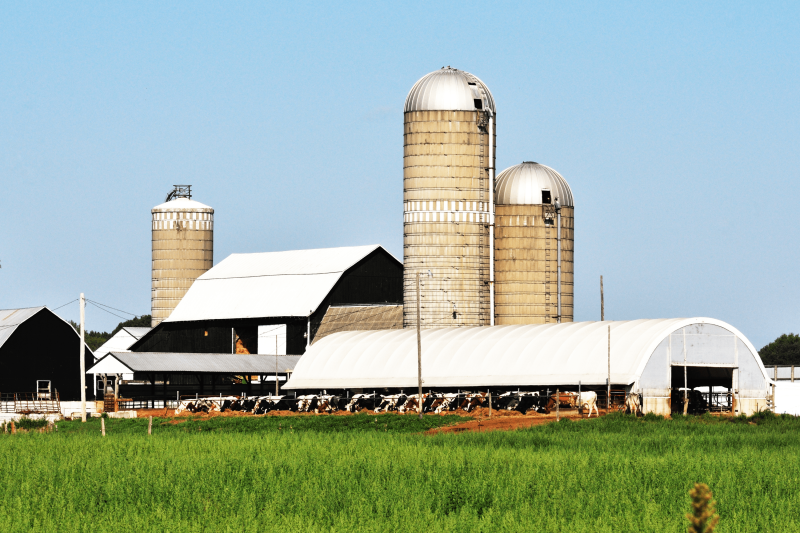
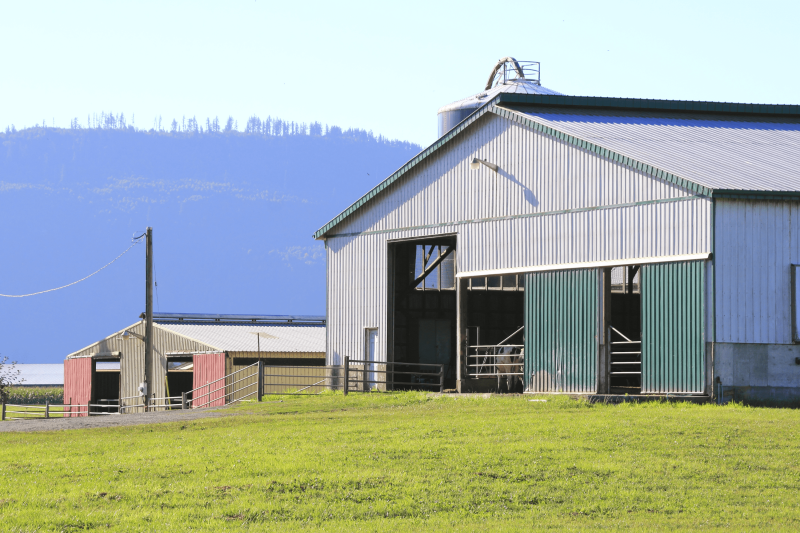
Buildings: Asbestos-containing materials were commonly used in the construction of farm buildings, including barns, sheds, and storage facilities. These materials may include asbestos roofing sheets, wall panels, and insulation.
Piping and insulation: Asbestos insulation was often used to wrap pipes and boilers in farm buildings to prevent heat loss and protect against corrosion. Additionally, asbestos-containing gaskets and seals may be present in plumbing fixtures and equipment.
Machinery and equipment: Asbestos-containing materials may be found in older farm machinery and equipment, particularly in components such as brakes, clutches, and gaskets, where asbestos was used for its heat-resistant properties.
Fencing and corrugated sheets: Asbestos-containing materials, such as asbestos-cement corrugated sheets or asbestos fencing panels, may have been used for fencing and boundary demarcation on farms.
Identifying and managing asbestos on farms is crucial to protect the health and safety of farm owners, workers, and visitors. Regular inspections and proper asbestos management plan practices are essential to minimise the risk of exposure.
If asbestos-containing materials are damaged or disturbed during maintenance or repair activities, it’s important to follow appropriate safety protocols for removal and abatement to prevent the release of hazardous asbestos fibres into the environment.
Farm asbestos removal service areas
Based in Perth, we extend our services across a wide geographical area, covering:
Perth Metro
East and North of the Swan River
Peel Region
South West
Wheatbelt
No matter where your farm is located within these regions, Rapid Asbestos Removals is your reliable partner for swift and efficient asbestos remediation.
Thorough assessment: Our process begins with a comprehensive assessment of your farm premises to identify all asbestos-containing materials (ACMs) and assess the level of risk.
Customised solutions: Based on our assessment, we develop a tailored removal plan that prioritises safety, efficiency, and minimal disruption to your farm operations.
Safe removal practices: Our team employs advanced techniques and state-of-the-art equipment to safely remove and dispose of asbestos, ensuring full compliance with regulations and minimising exposure risks to your family, workers, and animals.
Disposal and documentation: We handle the safe disposal of asbestos waste in accordance with environmental guidelines and provide detailed documentation of the removal process for your records.
Post-removal clearance: After removal, we conduct thorough clearance testing and asbestos air monitoring to confirm that your farm premises are free from asbestos contamination, providing you with peace of mind.
Why choose Rapid Asbestos Removals?
At Rapid Asbestos Removals we pride ourselves on the following:
ExperienceWith years of experience in the industry, we have the expertise to handle asbestos removal projects on farms and rural properties, understanding the unique challenges they present.
Safety firstThe safety of your family, workers, and animals is our top priority, and we go above and beyond to ensure compliance with safety regulations.
EfficiencyWe understand the importance of minimising disruption to your farm activities, and our efficient removal processes are designed with this in mind.
ComplianceWe stay up-to-date with the latest regulations and guidelines governing asbestos removal, ensuring full compliance throughout every stage of the process.
Peace of mindWhen you choose Rapid Asbestos Removals, you can trust that your farm's asbestos remediation needs are in capable hands, allowing you to focus on running a safe and successful agricultural operation.
Farm asbestos removal with Rapid
Don’t compromise on safety when it comes to asbestos removal on your farm. Contact Rapid Asbestos Removals today to discuss your requirements and schedule a consultation with our team of experts.
Let us help you create a healthier, safer environment for everyone on your farm.
Thank you Rapid Asbestos Removal for work and removal of my old asbestos shed. Steve was great to deal with in all aspects. From making an appointment to come have a look at the site, providing a quote and completing the work as scheduled. Although they may not be the cheapest but definitely worth paying the little extra for the good quality service. If you are considering any removal of asbestos from your property, I highly recommend speaking to Steve and his team. Thank you once again for your workmanship!
Richard de Mello
The Rapid team were great in removing 60sqm of eaves from our house. Communication was great, work was very thorough and well managed, and gave us confidence that our house is now safely asbestos free! The price was competitive and great value given their professionalism. Highly recommended!
Nick
Fantastic job done from rapid asbestos removal, they came to attend the job with a very short notice. Did a great job for a reasonable price. This is the kind of traders Perth needs!
Gianluca Aufieri
We had excellent service from Steven and would definitely recommend and use Rapid Asbestos again. Steven was able to come assess our property quickly, and at a time that suited us. He was very friendly and helpful, explaining lots of things we should be aware of and look out for in future. Samples were taken and we received the results back quickly.
Alex Doncon
Can not recommended anyone but Rapid for your asbestos removals. They removed the walls of a shed for me. Site was left incredibly clean! Very professional group!!
Glen Footer
Starting off I knew nothing about asbestos removal - James and his team were so helpful, prompt, courteous and professional. Just fantastic!
Lorraine Garrett
Highly recommend! Was a pleasure dealing with the Rapid team! Fast quoting and on time attendance. Went above and beyond!
Carly Addison
From start to finish James was a breeze to deal with. He came out within a few days to quote, communication was clear and timely throughout, job went ahead with no delays. Pricing was on par with other quotes, and they left the work area tidier than it was before they came!
Robert Yeoh
Farm asbestos removal frequently asked questions
You cannot confirm asbestos on a farm by looking at a material alone. Some asbestos-containing materials look similar to modern fibre cement, corrugated sheeting, wall panels, insulation, pipework or fencing products. The safest way to know if your farm has asbestos is to arrange an asbestos inspection and have suspected materials tested by a NATA-accredited laboratory.
Asbestos in farms may be found in old sheds, barns, stables, workshops, storage buildings, pump sheds, fencing, corrugated roof sheets, wall cladding, eaves, pipe lagging, irrigation pipes and older plant or machinery. Testing is especially important before demolition, roof replacement, fence removal, machinery dismantling, shed repairs, storm clean-up, or any work that could disturb old materials.
Yes, asbestos can be dangerous on farms if asbestos-containing materials are damaged, weathered or disturbed. The main risk comes from breathing in airborne asbestos fibres, which can happen when old asbestos cement sheets, fencing, pipes, insulation or machinery parts are cut, broken, drilled, sanded, moved or cleaned up incorrectly.
Farm asbestos risks can affect more than one group of people. Family members may live on site. Workers may access sheds, workshops, yards and pump areas. Contractors may disturb materials during repairs. Livestock and machinery can also damage older sheets, fences or exposed pipes over time. If asbestos is sealed, stable and undisturbed, it may not require immediate removal, but it should still be identified, recorded and managed properly.
Yes, asbestos is commonly found in older farm sheds and outbuildings, particularly on rural properties with structures built or modified before asbestos was fully phased out in Australia. Common examples include asbestos cement roof sheeting, corrugated wall sheets, eaves, internal lining boards, old insulation, backing boards, storage rooms, stables, barns, workshops and machinery sheds.
Asbestos in farm sheds can become a concern when materials are damaged by weather, age, impact, pests, stock, vehicles, or repair work. A cracked shed wall or broken roof sheet may look like a small maintenance issue, but if the material contains asbestos, it needs to be handled carefully. Before replacing sheets, pulling down an old shed, or cleaning up broken panels, organise testing and professional advice.
Yes, asbestos can sometimes be found in old farm machinery, plant and equipment. This is more likely where heat-resistant, friction-resistant or insulating materials were used. Possible asbestos-containing components include brake pads, clutch parts, gaskets, seals, heat shields, boiler insulation, pipe lagging and older electrical backing boards.
On farms, asbestos may also be present in asbestos cement irrigation pipes, rural pipe fittings, fencing panels and corrugated sheets. These materials can be easy to overlook because they may be outside, partly buried, weathered, or located away from the main farmhouse or sheds. Older irrigation components, pipe couplings and fittings may also contain asbestos cement, so they should be assessed before excavation, repairs, replacement or disposal.
If you are dismantling old equipment, removing fencing, repairing irrigation lines, or clearing damaged corrugated sheets, do not break, grind, saw, pressure clean, or dry sweep the material. Stop work and arrange asbestos testing if there is any doubt.
Yes, many farm asbestos removal jobs require a licensed asbestos removalist. In Western Australia, licensed asbestos removal work includes removing any friable asbestos, or more than 10 square metres of non-friable asbestos at a workplace.
Farm sites can be more complex than they first look. Asbestos may be spread across sheds, fences, machinery areas, pipework, storage buildings and old outbuildings. There may also be workers, contractors, family members, livestock, vehicles and machinery moving through the property. A licensed asbestos removalist can plan the work safely, isolate the affected area, remove and package the asbestos correctly, arrange compliant disposal and provide the documentation needed for your records.
Using a licensed removalist also helps reduce the risk of asbestos exposure during clean-up, repairs, demolition, storm damage works and larger rural maintenance projects.
If the farm is a workplace and asbestos is present, assumed to be present, or likely to be present, an asbestos register and asbestos management plan may be required. This is especially relevant for working farms with employees, contractors, maintenance workers, shearers, delivery drivers, machinery operators or other people accessing the property for work.
An asbestos register records the location, type and condition of known or assumed asbestos on the farm. This might include sheds, fencing, irrigation pipes, pump areas, workshops, storage buildings, roofs, walls, plant rooms, machinery, or old accommodation buildings. An asbestos management plan explains how those risks will be controlled, communicated, reviewed and managed during repairs, maintenance, removal or future upgrades.
If farm asbestos removal is completed, the asbestos register and management plan should be updated so workers and contractors have current information.
In many cases, farm asbestos removal can be staged so the whole property does not need to stop operating. The right approach depends on where the asbestos is located, how much needs to be removed, weather conditions, site access and whether the removal area can be safely separated from people, livestock, vehicles and machinery.
For example, asbestos removal may be planned around livestock movements, harvest periods, machinery access, deliveries, fencing works, shed use, or contractor schedules. Some areas may need to be temporarily fenced off, while other parts of the farm can continue operating as usual.
The aim is to minimise disruption without compromising safety. If asbestos is in a high-use area, such as a workshop, machinery shed, access road, stable, pump shed, or storage area, additional planning may be needed to keep workers, family members, contractors and animals away from the removal zone.
If asbestos is damaged on your farm, stop work in the area and keep people and animals away from the material. Do not break it further, pressure clean it, sweep it, vacuum it, put it in general waste, or move it around the property. Disturbing damaged asbestos can release fibres into the air and spread contamination.
This can happen after storms, fallen branches, vehicle impact, shed repairs, fencing damage, roof leaks, demolition, or machinery work. If it is safe, take a photo from a distance and note the location. Then arrange professional asbestos advice, testing, or removal.
If the damaged material is confirmed as asbestos, it may need to be removed by a licensed asbestos removalist and disposed of at an approved facility. Once the area has been made safe, update any relevant asbestos register or farm safety records so future workers and contractors know what has changed.
Asbestos is a dangerous material and only the most qualified and experienced people should carry out the work. At Rapid Asbestos Removals, we are committed to getting the job done to the highest possible standard. Talk to us today to find out how we can assist you.