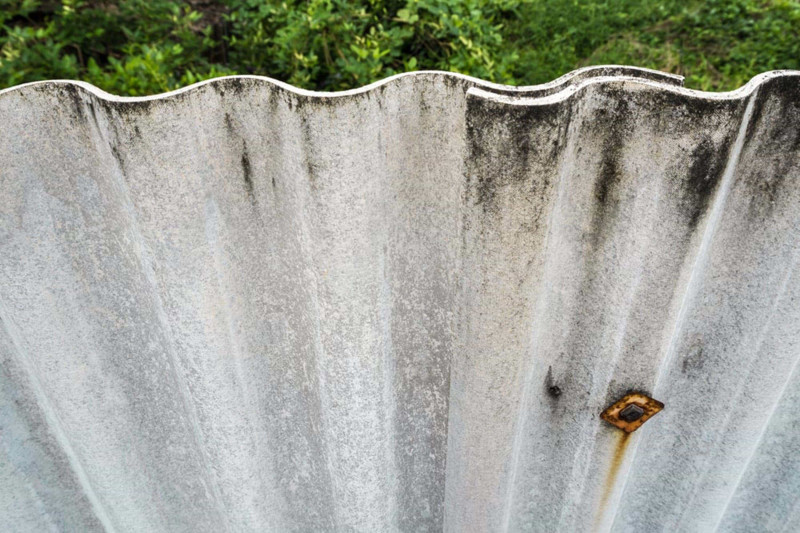
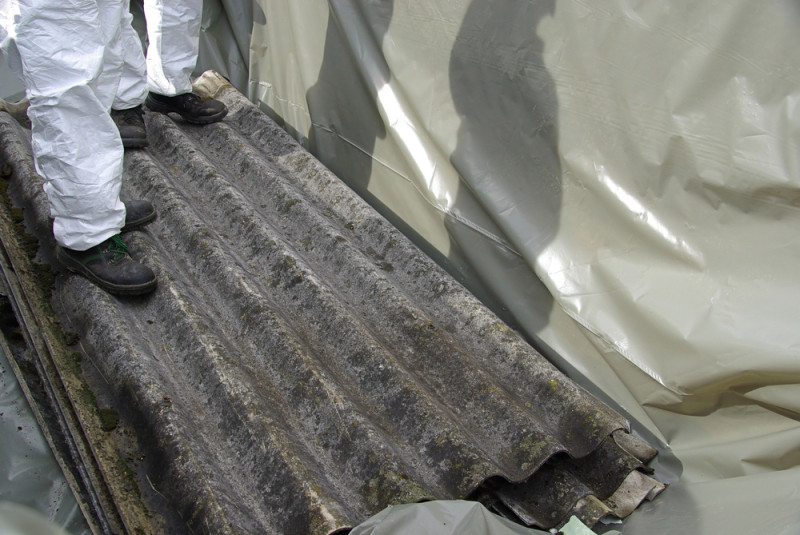
In Perth’s older properties, particularly those constructed before 1990, asbestos was routinely incorporated into various fencing materials and boundary structures because of its durability, fire resistance, and weather-resistant characteristics. Common areas where fencing contractors encounter asbestos include:
- Fence panels: Corrugated and flat asbestos cement fence sheets and panels installed along boundary lines, often weathered or cracked over time, which can release fibres when damaged, removed, or disturbed during fencing upgrades.
- Retaining walls: Structural asbestos sheeting used in older retaining wall construction, particularly in sloped blocks, which may deteriorate underground and pose a risk when excavating or replacing wall systems.
- Gates and gate posts: Asbestos cement materials used in custom gates or supporting posts, often overlooked during removal works and easily disturbed when replacing or upgrading access points.
- Eaves and cladding: External asbestos cladding and eaves located near fence lines, which may need to be removed or managed before new fencing can be safely installed without disturbing surrounding materials.
- Ground-level sheeting: Buried or partially buried asbestos materials along fence lines, commonly hidden beneath soil or garden beds, which can break down over time and become a contamination risk during digging or landscaping.
- Soil contamination zones: Areas where asbestos fragments have broken down into the soil from old fencing, buried materials, or deteriorated sheeting, often hidden below the surface and easily disturbed during digging or landscaping work.
- Shed and outbuilding walls: Asbestos cement wall panels in sheds or small outbuildings positioned close to boundaries, which can be disturbed during demolition, relocation, or fencing work.
- Pool surrounds: Asbestos fencing or sheeting around older swimming pool areas, often non-compliant with current pool safety standards and requiring careful removal before installing compliant pool fencing.
Identifying and safely managing asbestos materials is essential to protect your team, clients, and property occupants. Fencing contractors have legal responsibilities under WorkSafe WA regulations when asbestos-containing materials are discovered during fence installation, fence repair, or boundary fencing projects.
If asbestos cement fencing or sheeting is damaged or disturbed during your fencing project, it’s critical to stop work immediately and engage licensed professionals for removal and abatement to prevent the release of hazardous airborne asbestos fibres.