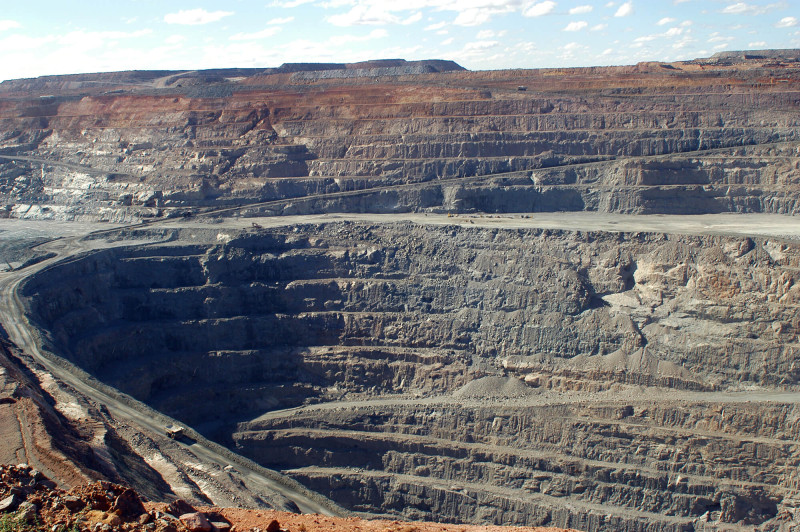
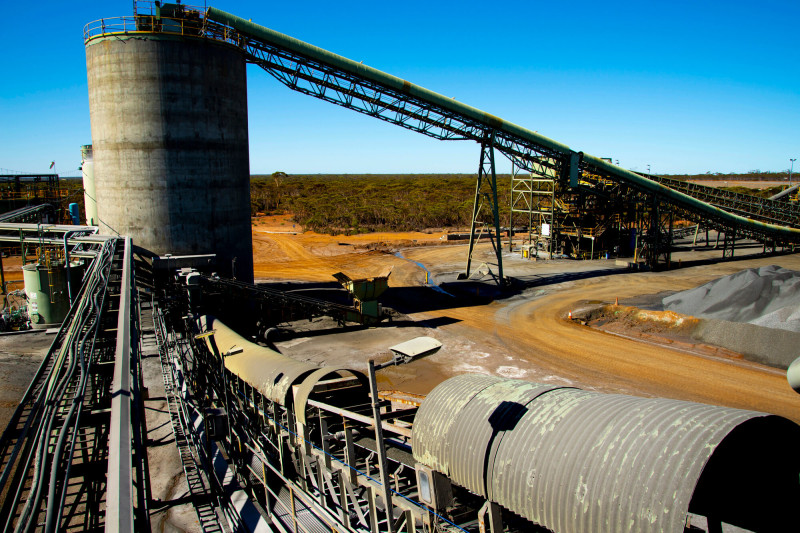
Across Western Australia’s mining sites, particularly those established before 1990, asbestos was routinely incorporated into various infrastructure and building components due to its heat resistance, durability, and insulation properties. Common areas where mining operators encounter asbestos include:
- Processing plant buildings: Asbestos cement sheeting was standard in mineral processing plant structures, including walls, roofing, and cladding materials throughout gold mining plants and copper mines.
- Equipment insulation: Asbestos lagging and insulation materials were applied to pipes, boilers, and high-temperature equipment in processing facilities.
- Accommodation and office buildings: Mine site camps and administrative buildings commonly contain asbestos in walls, ceilings, eaves, and flooring materials.
- Workshop facilities: Maintenance sheds and workshop buildings frequently feature asbestos cement roofing and wall cladding.
- Storage structures: Warehouses and storage facilities across mine sites often incorporate asbestos-containing materials in their construction.
- Underground infrastructure: Some older mine workings and shaft infrastructure may contain asbestos in ventilation systems and support structures.
- Asbestos in soil: Contaminated soil can be present across mine sites due to the breakdown of asbestos materials, historic disposal practices, or buried debris, often remaining undetected until disturbed during excavation, drilling, or site redevelopment.
Identifying and safely managing asbestos during mining project management activities is essential to protect mining personnel, contractors, and comply with WA Work Health and Safety legislation.
If asbestos-containing materials are damaged or disturbed during mine site decommissioning, exploration activities, or infrastructure upgrades, appropriate safety protocols must be followed to prevent the release of dangerous asbestos fibres into the air.