Updated August 28, 2026
Article highlights
- Asbestos was widely used in Australian homes built before 1990.
- Common locations include walls, ceilings, roofs, eaves, flooring, fencing and wet areas.
- Asbestos can also be hidden beneath newer renovations or finishes.
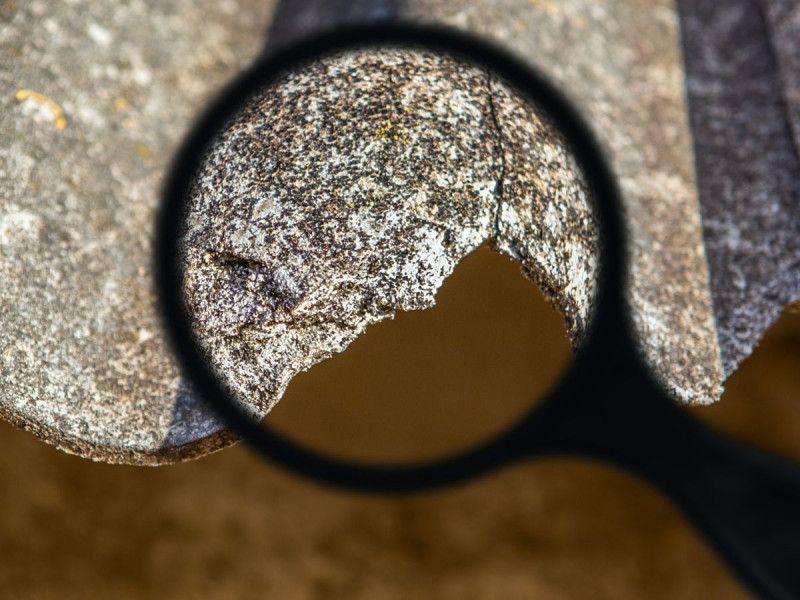
- You cannot reliably identify asbestos by appearance alone.
- Damaging, sanding, cutting or drilling asbestos-containing materials can release airborne fibres.
- Professional testing can confirm whether a suspected material contains asbestos.
If you live in an older home, understanding where asbestos may be found is important for your safety, particularly before renovating, repairing or maintaining the property.
Asbestos was widely used in Australian building materials throughout the 20th century because of its strength, durability and resistance to heat and fire. Many of these materials remain in older homes today.
Homes built before 1990 are more likely to contain asbestos-containing materials (ACMs), and asbestos can sometimes remain hidden beneath later renovations.
In this article, we explain where asbestos can be found in old homes, what materials to look out for and what to do before disturbing a suspected asbestos-containing material.
Require asbestos inspection, testing or removal from your Perth home? Get in touch with Rapid Asbestos Removals for a quote today.
What is asbestos?
Asbestos is a group of naturally occurring fibrous minerals made up of microscopic fibres. It was commonly incorporated into building materials because of its strength and resistance to heat, fire and chemicals.
Asbestos was widely used in Australian homes from the mid-20th century through to the 1980s, with some asbestos-containing products continuing to be used into the early 1990s.
When asbestos-containing materials remain intact and undisturbed, the risk of fibre release is generally low. The risk increases when materials are damaged, deteriorating or disturbed during activities such as renovation, drilling, cutting, sanding or demolition.
Where is asbestos found in old homes?
Asbestos can be found in a wide range of building materials used in older homes, including flooring, walls and eaves, roofing, ceilings, and fencing.
It can also be hidden beneath newer materials or remain in areas that are difficult to see during a standard visual inspection.
Here is a more detailed look at where asbestos may be found in older homes.
1. Insulation materials
Some insulation products used in older homes contained asbestos because of its heat-resistant and insulating properties.
Asbestos-containing insulation may be found around heating equipment, hot water pipes, domestic heaters and stoves. Some older insulation products can become friable as they deteriorate, increasing the risk of fibre release when disturbed.
Potential locations include:
- Attic insulation: Vermiculite attic insulation, especially from the Libby mine in Montana, often contains asbestos. This type of insulation was used in many homes built before the 1990s.
- Pipe insulation: Asbestos was used to wrap things like hot water pipes and ductwork to prevent heat loss and protect against fire. This insulation often appears as a white or grey fibrous material wrapped around pipes.
- Boilers and furnaces: Asbestos insulation was also used around boilers, furnaces, and other heating equipment to prevent heat loss and increase efficiency. This insulation can be found as sheets or blankets and is particularly hazardous if disturbed.
If you find unusual insulation in an older property, avoid disturbing it until you know what material you are dealing with.
2. Roofing and siding
Asbestos was widely used in roofing and siding materials due to its durability and resistance to weather and fire.
If your home was built or renovated before the 1980s, the following areas might contain asbestos:
- Roofing shingles: Asbestos was used in asphalt shingles to enhance their durability and fire resistance. These shingles can be found on roofs of homes built during the mid-20th century.
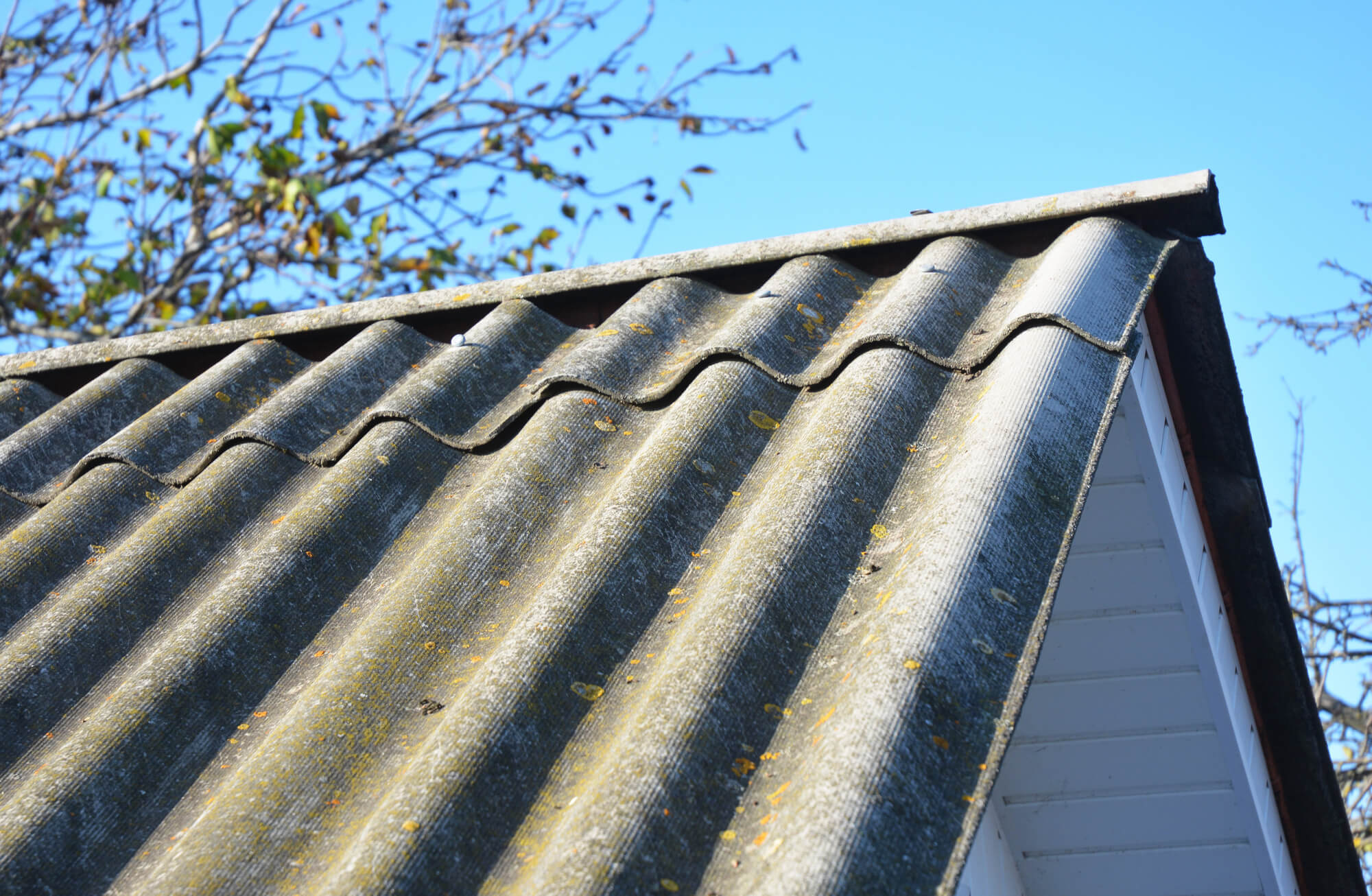
- Siding: Asbestos cement products, such as siding (often known as transite), was a popular choice for exterior cladding. These panels are usually grey and have a rough texture. Over time, they can become brittle and release asbestos fibres if broken or disturbed.
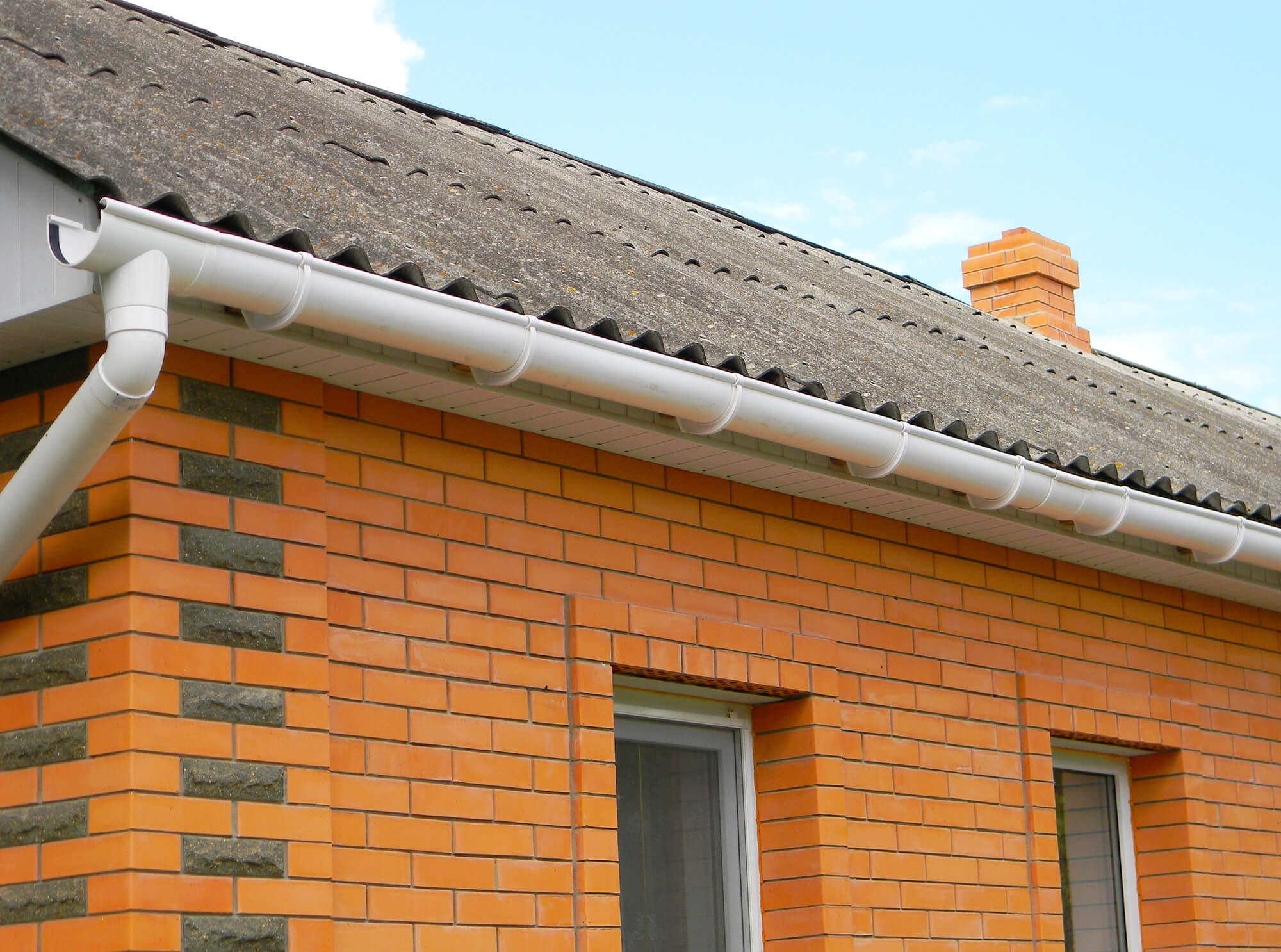
- Wall cladding and eaves: Asbestos cement sheeting was commonly used for external wall cladding and eaves lining.
- Felt underlayments: Roofing felt used as an underlayment beneath shingles or other roofing materials may also contain asbestos. This material provides an additional layer of fire resistance and weatherproofing.
- Gutters, downpipes and ridge capping: Some older asbestos cement products were used around roofs.
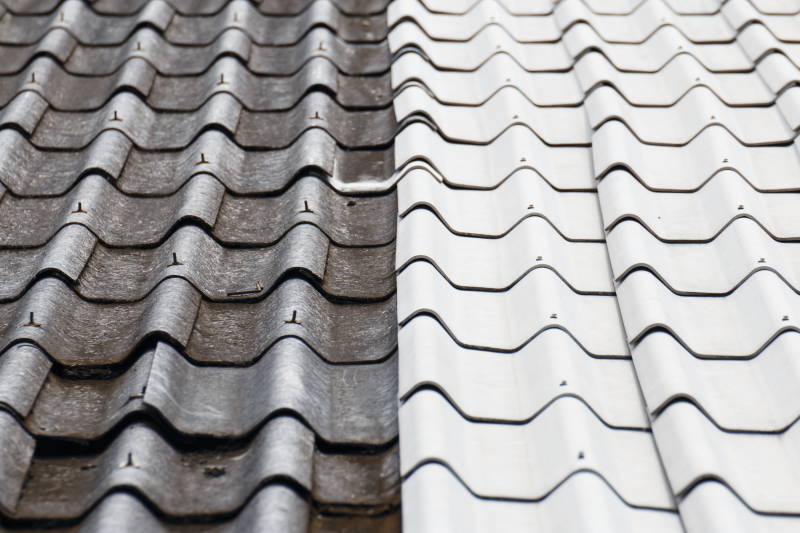
- Asbestos cement sheeting: Asbestos cement sheeting was used in both roofing and siding applications. These sheets are rigid and durable, commonly found in older homes as corrugated roofing or flat sheets used for wall cladding.
Older asbestos cement roofing can become more fragile as it ages. Never use a high-pressure cleaner on suspected asbestos cement roofing or cladding, as this can release and spread fibres.
3. Flooring
Flooring materials in older homes are another potential source of asbestos. Asbestos was incorporated into some vinyl and linoleum flooring products because of its durability and other properties.
Potential asbestos-containing flooring materials include:
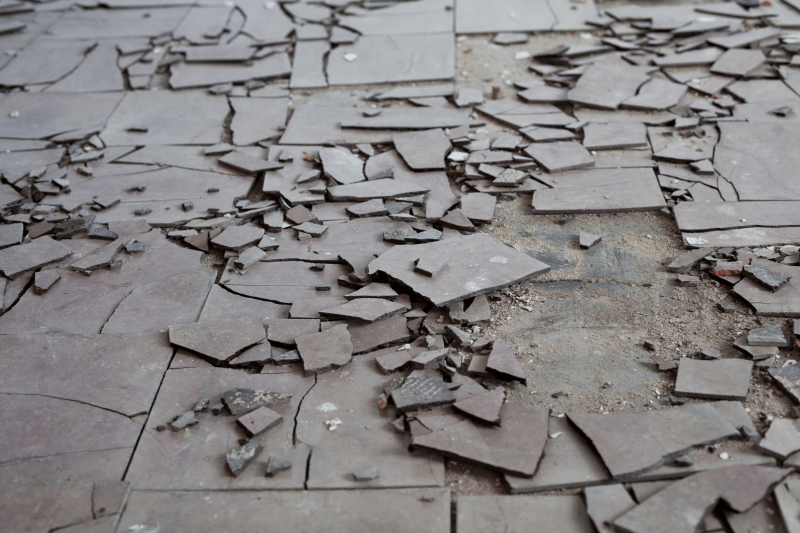
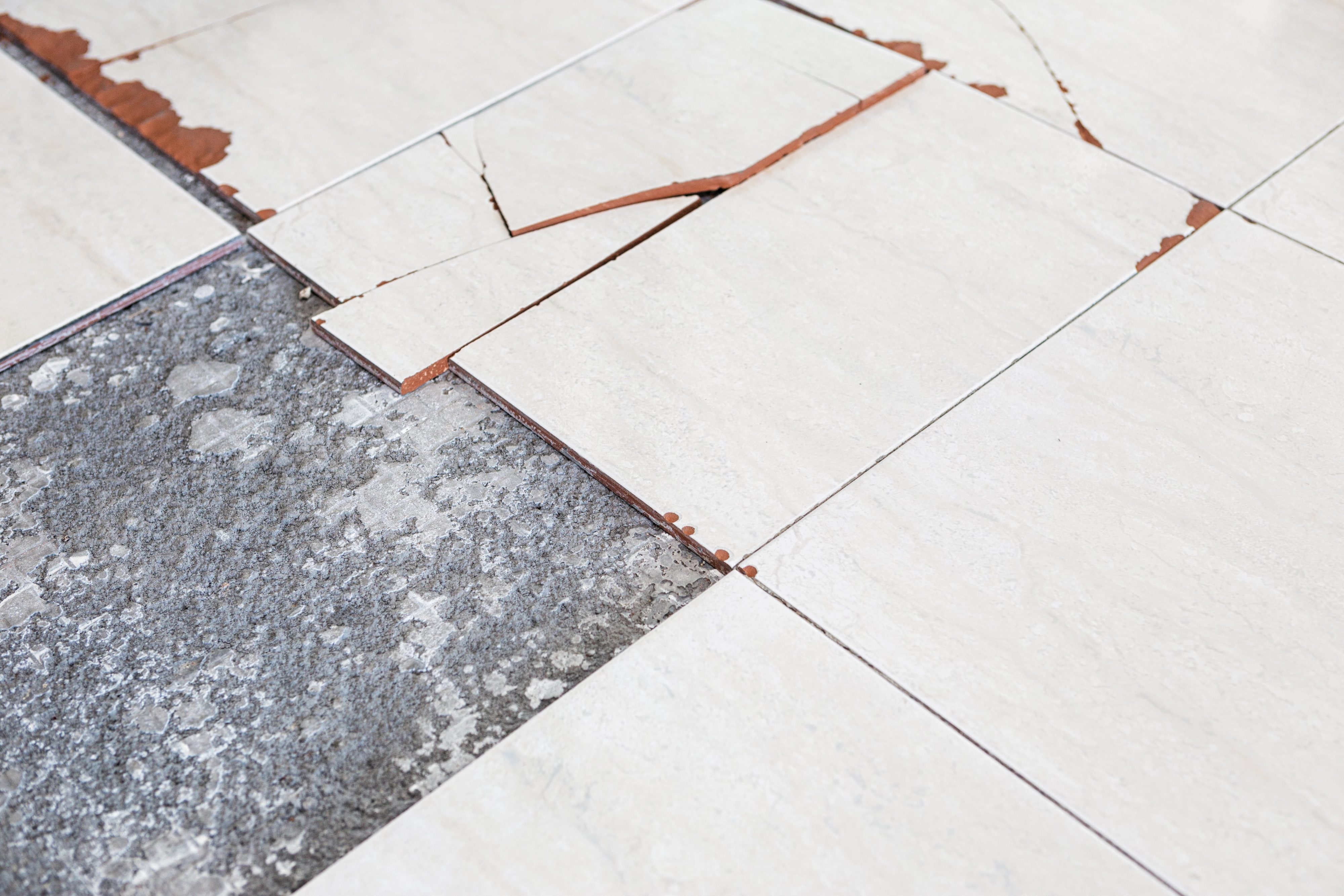
- Vinyl floor tiles: Asbestos was commonly added to vinyl floor tiles to increase their strength and heat resistance. These tiles are often 9×9 inches or 12×12 inches and were popular in homes from the 1950s to the 1980s.
- Flooring adhesives and mastics: The adhesives used to install vinyl tiles and other types of flooring often contained asbestos. These adhesives can become hazardous if the flooring is removed or disturbed.
- Sheet flooring and backing: Asbestos was used in the backing of vinyl sheet flooring to provide additional strength and insulation. This backing can become friable and release fibres if the flooring is damaged or worn.
- Carpet underlay: Certain older carpet underlay products may contain asbestos.
Removing old flooring can disturb both the flooring material and the adhesive beneath it. If you are renovating an older home, arrange appropriate testing before removing suspected flooring.
4. Wall and ceiling materials
Walls and ceilings are common locations for asbestos in older Australian homes, particularly where asbestos cement sheeting was used.
Potential materials include:
- Plaster: Some older homes have plaster walls and ceilings that contain asbestos. Asbestos was added to plaster to improve its strength and fire resistance.
- Drywall and joint compounds: Asbestos was used in drywall joint compounds and taping mud. This material was applied to seams and joints between drywall panels and can release fibres when sanded or disturbed.
- Textured paint coatings and popcorn ceilings: Asbestos was often used in textured paints and popcorn ceiling treatments. These treatments were popular from the 1950s to the 1980s for their decorative appearance and soundproofing qualities.
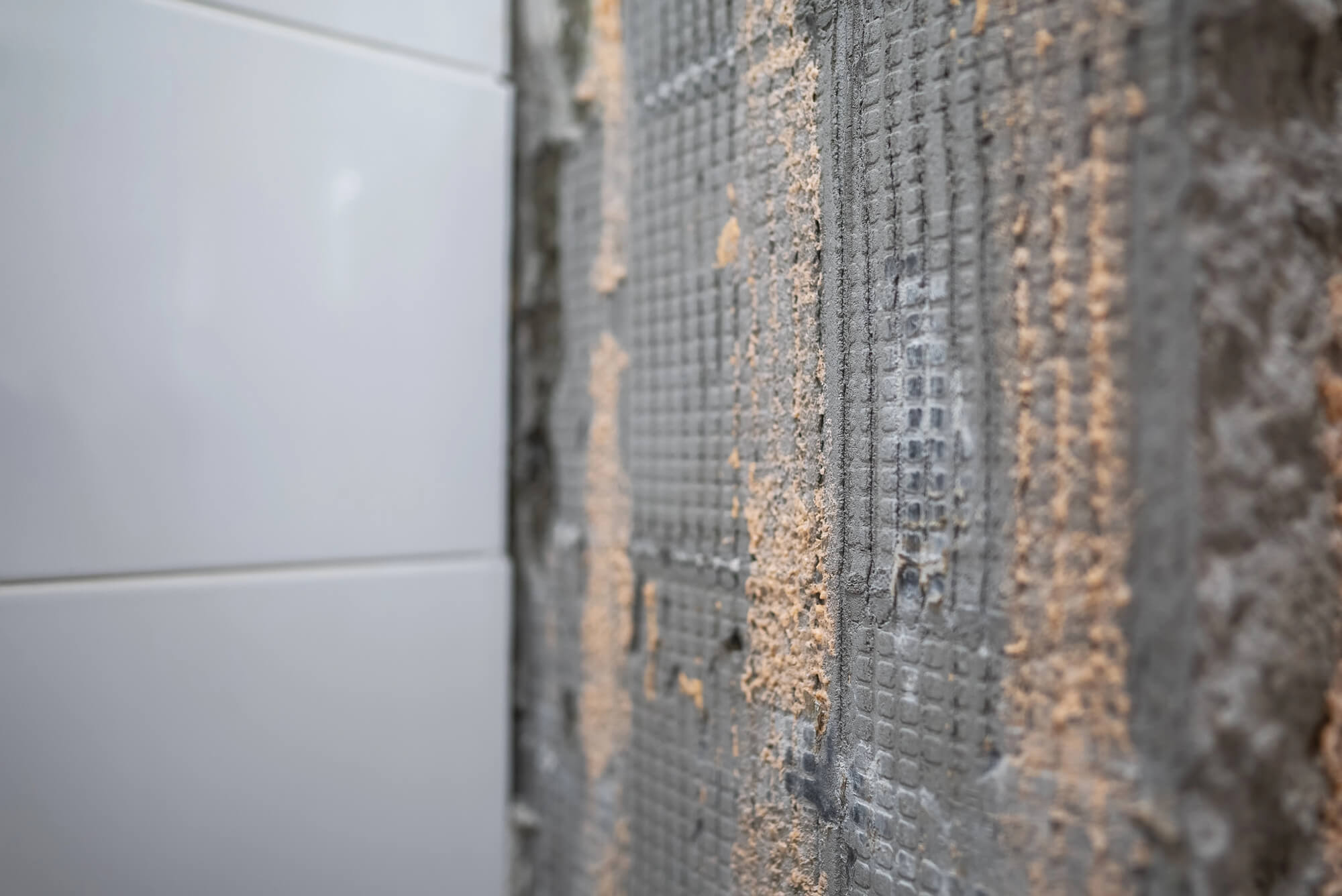
- Wall tiles: Asbestos was used in the adhesive materials for wall tiles and sometimes in the tiles themselves. These can be found in kitchens, bathrooms, and other wet areas in older homes.
- Tile backing: Asbestos-containing materials may also be found behind wall tiles and splashbacks.
- Wall and ceiling panels: Asbestos cement sheeting was commonly used for internal and external walls and ceilings.
- Wet-area sheeting: Kitchens, bathrooms, toilets and laundries may contain asbestos cement sheeting.
Asbestos may also be concealed beneath later wall coverings, flooring or other renovations. Always check older homes for hidden asbestos-containing products before renovation work begins.
5. Electrical insulation
Some electrical components in older homes may contain asbestos because of its heat and fire resistance, and insulating properties.
Potential locations include:
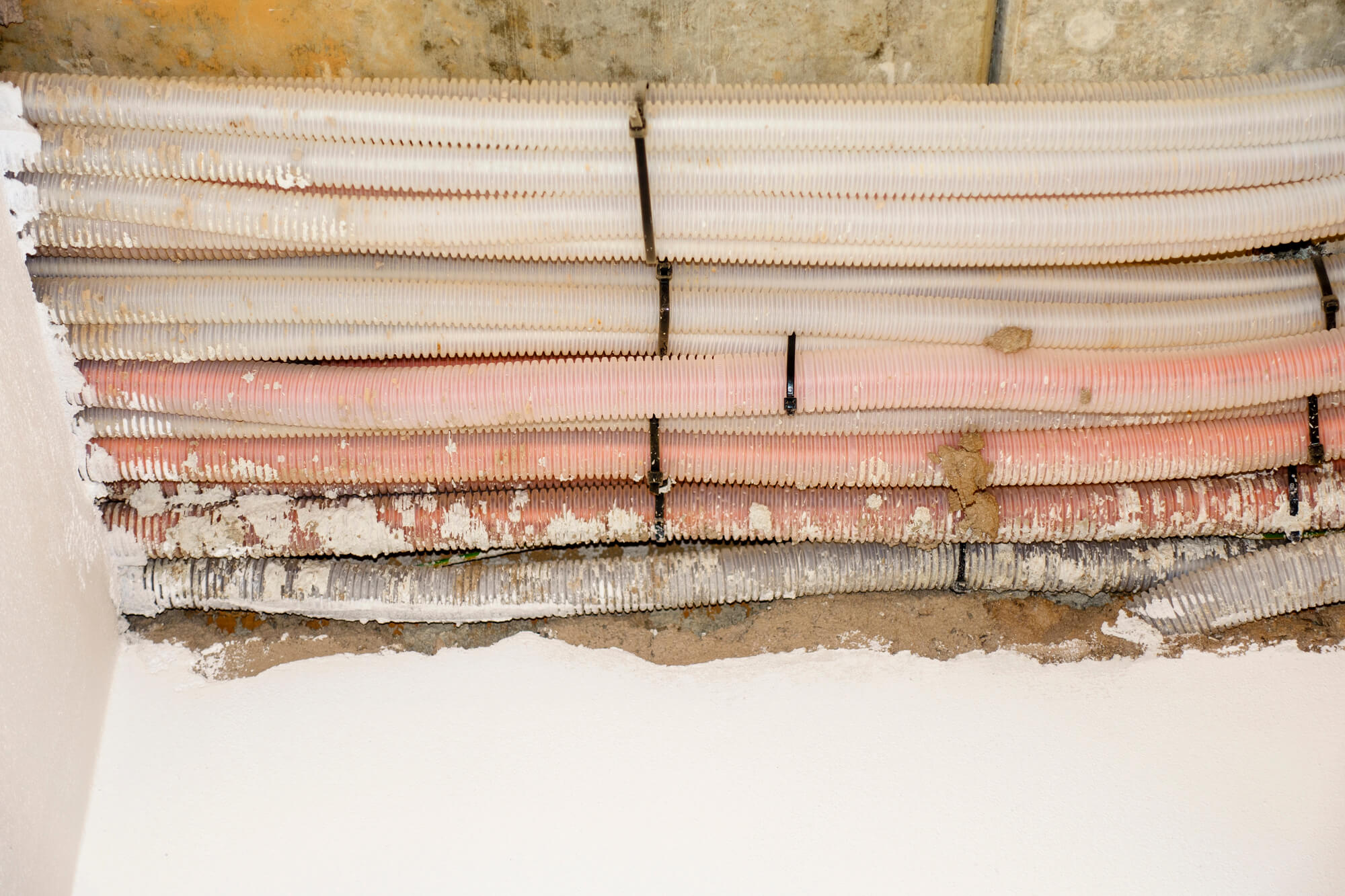
- Wiring insulation: Asbestos was used to insulate electrical wiring, particularly in homes built before the 1980s. This insulation can become hazardous if the wiring is disturbed during renovations or repairs.
- Electrical panels: Asbestos-containing materials were used in electrical panels and circuit breakers to prevent fires and improve safety. These panels can release fibres if they deteriorate or are damaged.
- Electrical switchboard backing: Older switchboards may contain asbestos-containing backing boards.
- Electrical components: Some older electrical equipment and insulation materials may contain asbestos.
Electrical work should always be carried out by an appropriately qualified electrician. If an electrician or renovator suspects an asbestos-containing component, the material should be assessed before it is disturbed.
6. Heating ducts
Heating ducts and other HVAC components in older homes often contain asbestos products. This material was used to insulate ducts and improve energy efficiency.
Potential asbestos-containing materials include:
- Duct insulation: Asbestos duct insulation was used to prevent heat loss and enhance the efficiency of heating systems. This insulation appears as a white or grey fibrous material wrapped around ducts.
- HVAC components: Asbestos was also used in other HVAC components, such as gaskets, to provide heat resistance and durability. These components can become hazardous if they deteriorate or are disturbed during maintenance.
- Gaskets and seals: Some older heating and ventilation components may contain asbestos.
- Heating equipment: Asbestos-containing materials were used around some older heaters and other high-temperature equipment.
If insulation or other material around heating equipment appears old, damaged or unusual, avoid disturbing it until it has been properly assessed.
Concerned a material in your older home could contain asbestos? Rapid Asbestos Removals can inspect suspected materials, arrange sample testing through a NATA-accredited laboratory and advise you on the safest next step.
Why is asbestos dangerous?
Asbestos becomes a health concern when fibres are released into the air and inhaled. This can happen when asbestos-containing materials are damaged, deteriorating or disturbed.
Asbestos exposure is associated with serious diseases including:
When an asbestos-containing material is disturbed, it releases tiny fibres into the air. These airborne asbestos fibres can be inhaled and become lodged in the lungs, leading to serious asbestos-related diseases and health conditions such as:
- Asbestosis: A chronic lung disease caused by asbestos fibres becoming trapped in the lungs and causing inflammation and scarring.
- Lung cancer: Prolonged exposure to asbestos fibres significantly increases the risk of developing lung cancer.
- Mesothelioma: A rare and aggressive cancer affecting the lining of the lungs, abdomen, or heart.
In most instances, asbestos-related diseases can take many years or decades to develop after exposure, typically up to 20 years. Importantly, being exposed to asbestos doesn’t mean someone will necessarily develop an asbestos-related disease. Risk depends on factors including the amount and frequency of exposure.
How can you tell if an old home has asbestos?
You cannot reliably identify asbestos by appearance alone. Some materials have characteristics that suggest they could contain asbestos, but visual inspection cannot confirm the presence of asbestos.
WA Government guidance recommends using a competent person to identify suspected asbestos materials. Laboratory testing of a sample provides confirmation.
This is particularly important before renovation work. Materials that look like ordinary cement sheeting, flooring or other building products cannot always be identified as asbestos by appearance alone.
If you’re unsure whether a building material contains asbestos, don’t rely on appearance alone. Our team can inspect suspected materials, arrange NATA-accredited laboratory testing and help you understand the safest next step for your property.
The importance of professional asbestos removal
Hiring an experienced asbestos removal company is important when asbestos-containing materials need to be removed. Appropriate controls help minimise the risk of fibres being released during the work.
It is recommended to use a licensed asbestos removalist, particularly for larger amounts of non-friable asbestos or any friable asbestos. In WA, licensed removal is required for more than 10 m² of non-friable asbestos or any amount of friable asbestos. Rapid Asbestos Removals specialises in the safe removal of non-friable, bonded asbestos materials. We do not remove friable asbestos, but can advise on the appropriate next steps and coordinate an appropriately licensed specialist where required.
Our team has the training, equipment and procedures required to safely handle and remove non-friable asbestos and arrange compliant disposal.
Why choose Rapid Asbestos Removals?
At Rapid Asbestos Removals, we are committed to providing safe and efficient asbestos removal services. Our team are trained to handle non-friable asbestos with the highest level of care and in accordance with applicable WA requirements, ensuring the safety of your home and family.
We offer:
- Comprehensive asbestos inspections and identification: Detailed assessments of suspected asbestos-containing materials and advice on appropriate testing.
- Asbestos sampling and testing: Sample collection and laboratory analysis through NATA-accredited facilities.
- Safe and efficient removal processes: Removal of bonded, non-friable asbestos materials utilising the latest techniques and equipment.
- Safe disposal: Appropriate handling and disposal of asbestos waste.
- Compliance with safety regulations: Adhering to all local and national guidelines.
- Professional advice: Guidance on the safest next step when asbestos is suspected.
- Competitive pricing: Providing affordable solutions with transparent pricing, without compromising on quality.
- Peace of mind: Ensuring your home is free from asbestos hazards.
For projects requiring air monitoring or independent clearance, Rapid can coordinate an appropriately licensed asbestos assessor or hygienist.
Remove asbestos in your home with Rapid
If you suspect asbestos in your home, don’t take unnecessary risks. Avoid disturbing the material and arrange professional advice before starting renovation or removal work.
Rapid Asbestos Removals can help identify suspected asbestos materials, arrange testing and safely remove non-friable asbestos from residential properties across Perth and WA. Protect your home and family from the dangers of asbestos by choosing the experts in asbestos removal.
Don’t risk disturbing a material you’re unsure about. Contact Rapid Asbestos Removals to arrange assessment and safe asbestos removal.
FAQs about asbestos in old homes
You cannot reliably confirm asbestos by looking at a material. The age and construction of your home can indicate whether asbestos is likely, but the only way to be certain is to have a professional asbestos inspection. Our experts can safely collect samples and have them tested in a laboratory, if required.
Homes built before 1990 are more likely to contain asbestos-containing materials, including in walls, ceilings, flooring, roofs, eaves and fencing. If you have an older home and suspect asbestos, Rapid Asbestos Removals offers comprehensive inspection services to help you identify it.
It is highly recommended to hire a professional asbestos removal service, particularly for larger amounts, damaged materials or where you are unsure about the condition. More than 10 m² of non-friable asbestos or any amount of friable asbestos must be removed by a licensed removalist.
Handling asbestos materials without proper training and equipment can be extremely dangerous. Professionals like Rapid Asbestos Removals are trained to handle non-friable asbestos safely and effectively.
Do not disturb the material. Contact a licensed asbestos removal company like Rapid Asbestos Removals to assess the situation and safely remove the asbestos. Disturbing it can release harmful asbestos fibres into the air.
Asbestos-containing materials that remain intact and undisturbed generally present a low risk of fibre release. The risk increases when materials are damaged, deteriorating or disturbed. Damaged asbestos materials can release dangerous fibres and should be addressed promptly.
Regular inspections and maintenance can help ensure safety. If you are concerned about asbestos in an older home, avoid disturbing the material and arrange professional identification or testing before carrying out renovation work.
Before renovating a home built before 1990, identify materials that could contain asbestos and arrange testing where required. Avoid drilling, cutting, sanding, scraping or breaking suspected asbestos-containing materials. Power tools and high-pressure cleaners should never be used on suspected asbestos cement products because they can release fibres.
During home improvements, especially when using power tools, it's crucial to avoid disturbing asbestos-containing materials. Power tools can create dust and release asbestos fibres into the air, posing a significant health risk. Homeowners should always take the necessary precautions and consult with a professional asbestos removal service before beginning any renovation projects.
Yes. Asbestos-containing materials can remain beneath newer flooring, wall coverings, ceilings and other renovations. This means a home that has been renovated does not necessarily have all of its original asbestos materials removed.
If you are planning further renovation work, suspected materials should be assessed before they are disturbed.
A standard building inspection does not necessarily include asbestos testing. If you are buying or renovating an older home, ask what the inspection covers and arrange separate asbestos identification or laboratory testing where required. WA Government guidance recommends checking for asbestos-containing materials in homes built before 1990.