Asbestos Testing & Removal For Imported Goods

At Rapid Asbestos Removals, we support importers, customs brokers, freight operators, warehouse managers and commercial businesses when imported goods are suspected of containing asbestos. We can assist with inspection, sampling coordination, NATA-accredited laboratory testing, bonded non-friable asbestos removal and compliant disposal where required.

Asbestos testing for imported goods in Perth

Australia prohibits the importation of asbestos and goods containing asbestos, subject to limited exceptions where a lawful permission or exception applies.

Importers are responsible for ensuring goods do not unlawfully contain asbestos and may need to provide reliable evidence to Australian Border Force that goods are asbestos-free. A supplier declaration or label stating that goods are “asbestos free” may not be sufficient without supporting evidence.

Where asbestos is suspected, reliable testing can help determine what is present and what needs to happen next. Australian Border Force states that testing in Australia must be undertaken by a NATA-accredited laboratory using an accepted scientific microscopy method.

Rapid Asbestos Removals can assist with the practical asbestos side of the process, including inspection, sampling coordination, laboratory testing and, where authorised and within our Class B licence scope, removal and disposal of bonded, non-friable asbestos in accordance with WorkSafe WA requirements to manage contaminated materials safely and efficiently.
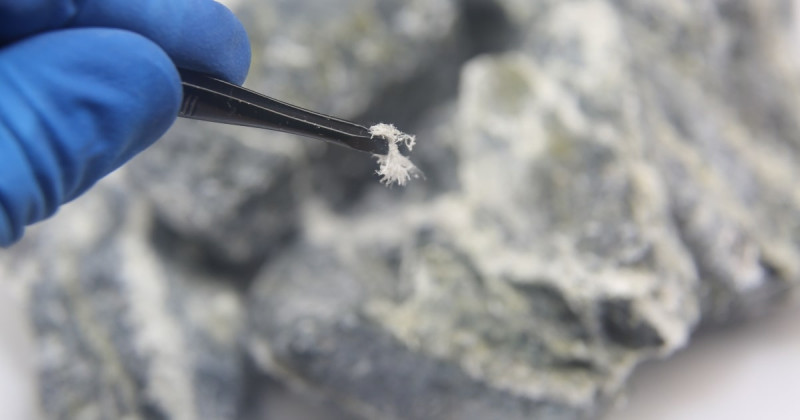
Types of asbestos include chrysotile, close up of fibres.

Asbestos in imported goods

Asbestos is still used or permitted at low levels, including within products that may be labelled asbestos-free under local manufacturing standards. Asbestos may be present due to intentional use, naturally occurring contamination in raw minerals, cross-contamination during manufacturing, or components sourced through third-party suppliers.

Australia’s prohibition applies to all six regulated forms of asbestos. Goods manufactured overseas may therefore fail Australian import requirements even when they comply with the standards applied in their country of origin.

Imported products that may present an asbestos contamination risk include:
  • Cement sheets, panels, pipes and tiles
  • Gaskets, seals and insulation products
  • Brake pads, clutch linings and friction materials
  • Building products and prefabricated components
  • Industrial machinery and replacement parts
  • Electrical and heating components
  • Stone, mineral and sand-based products
  • Automotive and marine components
  • Protective textiles, rope and tape
  • Older plant, equipment and vehicles
  • Coloured sand and decorative mineral products

Why imported goods require reliable asbestos evidence

Importers should not rely solely on:

  • Product labels
  • General supplier declarations
  • Material safety data sheets
  • Unverified certificates
  • Portable or handheld material analysers
  • Test results from a different product batch
  • Statements that asbestos content is below an overseas threshold

Australian Border Force advises that asbestos-free declarations have no value unless they are supported by valid documentary evidence. If the ABF suspects that goods contain asbestos, it may hold the shipment while the importer arranges inspection, representative sampling and accredited testing at their own cost.

Testing and storage delays can also create flow-on costs involving freight, customs clearance, demurrage, warehousing and project schedules.

asbestos contaminated imported goods

Asbestos contamination in imported consumer products

Imported asbestos contamination is not limited to traditional construction products or older machinery.

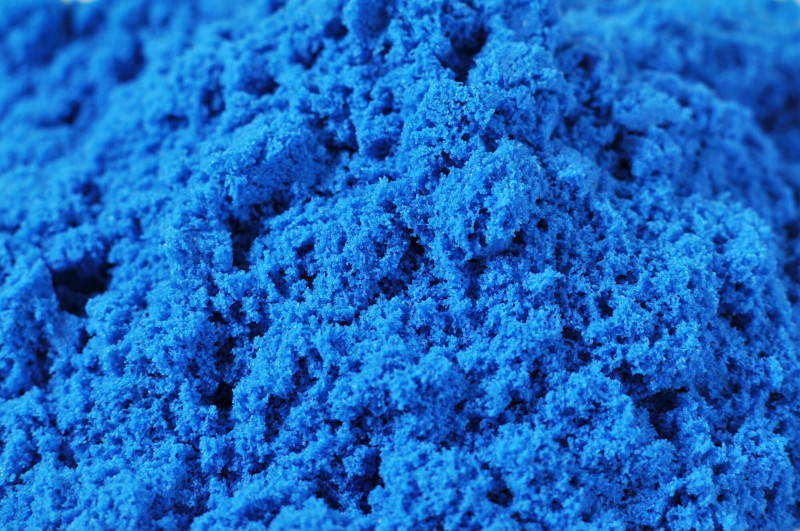
In November 2025, several ranges of coloured and sensory play sand were recalled in Australia after laboratory testing detected asbestos in product samples. Australian Border Force subsequently said children’s sand play products would be treated as high risk and require proof that they were asbestos-free before entering Australia.

The incident affected retailers, schools and education facilities across Australia and showed how contamination can enter the supply chain through products that were not previously considered a conventional asbestos risk.

For importers, this highlights the importance of understanding the raw materials, manufacturing processes and suppliers behind a product, particularly where goods are made from mineral or naturally sourced materials.

What happens when Border Force suspects asbestos?

If Australian Border Force identifies an asbestos risk, the goods may be held under customs control while further evidence is requested.

Depending on the circumstances, the importer may need to:

  • Provide supply-chain and manufacturing information.
  • Provide supporting asbestos-free documentation.
  • Arrange representative sampling.
  • Obtain testing from an appropriately accredited laboratory.
  • Provide the laboratory report to ABF.
  • Follow ABF directions regarding the goods while they remain under customs control.

Goods under customs control must not be opened, moved, altered or interfered with unless the appropriate authority has authorised the action. ABF specifically notes that where goods remain under customs control and further testing is required, the importer is responsible for arranging the necessary inspection and testing.

If asbestos is unlawfully detected in imported goods, Australian Border Force may seize and forfeit the goods for disposal. Penalties or prosecution may also apply in some circumstances.

Rapid does not provide customs or legal advice. We provide asbestos-related inspection, testing coordination, removal and disposal support, and can work alongside your customs broker, freight operator, laboratory and other relevant professionals.

Imported goods asbestos service areas

Based in Perth, Rapid Asbestos Removals supports importers, customs brokers, freight businesses and commercial operators across:

  • Perth Metro
  • East and North of the Swan River
  • Peel Region
  • South West
  • Wheatbelt

We also assess project requirements for regional and industrial locations across Western Australia.

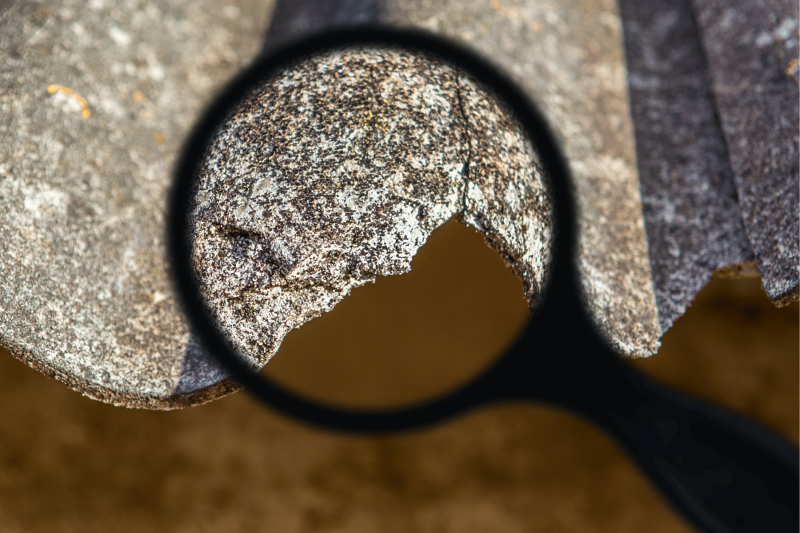
asbestos with magnifying glass. asbestos in residential properties

Asbestos testing for importers and customs brokers

Rapid can assist with the practical asbestos requirements associated with suspected imported goods. Our support may include:

Initial inspection and risk review We review the available information about the goods, packaging, suspected materials, storage location and circumstances surrounding the asbestos concern. This helps determine the access, safety and sampling arrangements that may be required.
Sampling coordination Where sampling is authorised, we coordinate the appropriate arrangements for representative sampling and laboratory testing. Sampling must be suitable for the goods being assessed and, where goods remain under customs control, must follow the relevant authorisation and access requirements.
NATA-accredited laboratory testing Testing completed in Australia must be carried out by a laboratory accredited by the National Association of Testing Authorities for the relevant asbestos analysis. We coordinate testing through an independent NATA-accredited laboratory so that the appropriate laboratory can analyse the samples and provide the relevant testing documentation.
Removal and disposal If asbestos is identified, we can assess whether the affected material is bonded, non-friable asbestos within our Class B licence scope and whether removal has been authorised. Where appropriate, our licensed team can safely remove, package, transport and dispose of the affected asbestos materials.

Imported goods in warehouses and workplaces

Imported goods may already be in a warehouse, freight depot, retail facility or workplace when asbestos contamination is identified.

If you suspect that imported goods contain asbestos:

  • Stop unpacking, handling or disturbing the affected goods.
  • Restrict access to the immediate area.
  • Do not open, break or alter suspected materials.
  • Do not sweep, vacuum or use compressed air around suspected contamination.
  • Keep damaged packaging and loose materials undisturbed.
  • Record where the goods have been stored or distributed.
  • Follow directions from Australian Border Force and other relevant authorities.
  • Seek advice from an asbestos professional.

Rapid can assist with the asbestos-related response, including assessing the affected area, coordinating testing and planning authorised removal where required.

Where goods have already been distributed, the response may involve multiple locations and stakeholders. We can work with the relevant parties to help coordinate the asbestos-related requirements.

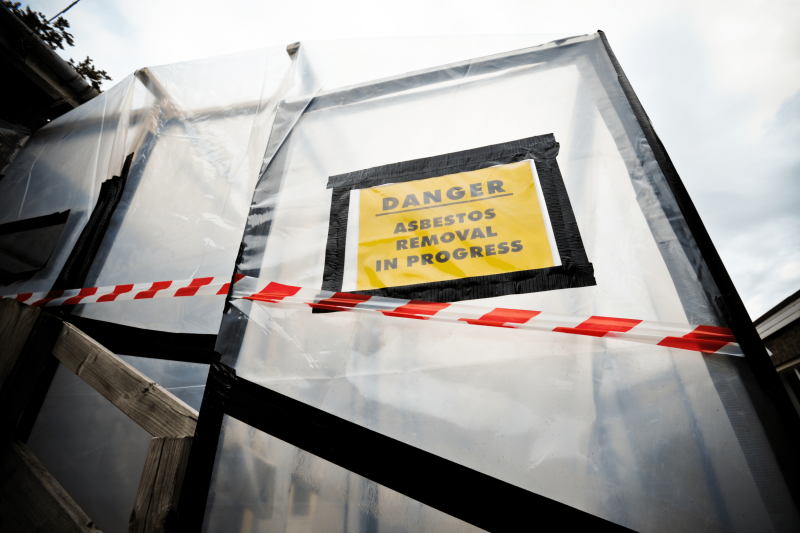
Danger Asbestos Removal in Progress sign. commercial asbestos removal

Our approach

  1. Initial consultation: We discuss the goods, shipment status, storage location, available documentation, and any directions already provided by Australian Border Force or other relevant parties.
  2. Stakeholder coordination: We work with the importer, customs broker, freight operator, warehouse manager and independent laboratory or asbestos professional to establish responsibilities and authorised access arrangements.
  3. Inspection and sampling coordination: We assess the suspected goods and coordinate appropriate sampling arrangements where authorised.
  4. Laboratory testing: Samples are provided to an independent NATA-accredited laboratory for asbestos analysis. The laboratory provides the relevant test report or certificate.
  5. Results and next steps: The testing results help determine whether asbestos has been identified and what further action is required. Customs decisions remain the responsibility of Australian Border Force and the importer should follow the directions provided by the relevant authorities.
  6. Licensed asbestos removal: Where asbestos is confirmed and authorised removal involves bonded, non-friable material within our Class B licence scope, Rapid can complete the removal.
  7. Disposal and documentation: We manage compliant asbestos waste disposal and provide relevant removal and disposal documentation for the work completed by Rapid.
  8. Clearance and supporting requirements: Where required, we can coordinate independent clearance inspections, air monitoring and other appropriately qualified professionals to support completion of the asbestos-related work.

Why choose Rapid for imported goods asbestos management?

At Rapid Asbestos Removals, we pride ourselves on:

Licensed and audited Rapid holds a Class B Asbestos Removal Licence WR2032, specialising in bonded, non-friable asbestos removal, and is audited annually by WorkSafe WA.
NATA-accredited testing coordination We coordinate independent laboratory testing through appropriately accredited laboratories rather than presenting ourselves as a testing laboratory.
Commercial experience We understand that asbestos concerns involving imported goods can affect warehouses, freight operations, construction projects and commercial schedules.
Practical coordination We work with importers, customs brokers, laboratories, freight operators, warehouse teams and other stakeholders to keep the process organised.
Owner-operated Our owners remain directly involved in the work, providing direct communication and hands-on experience throughout the project.
Clear documentation We provide relevant records for the asbestos work completed by Rapid, including removal and disposal documentation.

Asbestos testing and removal for imported goods

If imported goods have been identified as a potential asbestos risk, do not open, move or disturb them until the appropriate process has been confirmed.

Contact Rapid Asbestos Removals to discuss the goods, their location and the asbestos-related assistance required.

We can help coordinate inspection, NATA-accredited testing and authorised removal and disposal where required, while working alongside your customs broker, freight operator and other relevant professionals.

Customer success stories

Thank you Rapid Asbestos Removal for work and removal of my old asbestos shed. Steve was great to deal with in all aspects. From making an appointment to come have a look at the site, providing a quote and completing the work as scheduled. Although they may not be the cheapest but definitely worth paying the little extra for the good quality service. If you are considering any removal of asbestos from your property, I highly recommend speaking to Steve and his team. Thank you once again for your workmanship!

Richard de Mello

The Rapid team were great in removing 60sqm of eaves from our house. Communication was great, work was very thorough and well managed, and gave us confidence that our house is now safely asbestos free! The price was competitive and great value given their professionalism. Highly recommended!

Nick

Fantastic job done from rapid asbestos removal, they came to attend the job with a very short notice. Did a great job for a reasonable price. This is the kind of traders Perth needs!

Gianluca Aufieri

We had excellent service from Steven and would definitely recommend and use Rapid Asbestos again. Steven was able to come assess our property quickly, and at a time that suited us. He was very friendly and helpful, explaining lots of things we should be aware of and look out for in future. Samples were taken and we received the results back quickly.

Alex Doncon

Can not recommended anyone but Rapid for your asbestos removals. They removed the walls of a shed for me. Site was left incredibly clean! Very professional group!!

Glen Footer

Starting off I knew nothing about asbestos removal - James and his team were so helpful, prompt, courteous and professional. Just fantastic!

Lorraine Garrett

Highly recommend! Was a pleasure dealing with the Rapid team! Fast quoting and on time attendance. Went above and beyond!

Carly Addison

From start to finish James was a breeze to deal with. He came out within a few days to quote, communication was clear and timely throughout, job went ahead with no delays. Pricing was on par with other quotes, and they left the work area tidier than it was before they came!

Robert Yeoh

Frequently asked questions about imported goods and asbestos

The importer is responsible for ensuring that asbestos or goods containing asbestos are not unlawfully imported into Australia.

Importers should understand their supply chain, assess the materials used in their goods and retain reliable evidence showing that the shipment does not contain asbestos.

No. Testing is not automatically required for every imported product. However, ABF can require further assurance where goods are considered a potential asbestos risk or the information provided is insufficient.

Not necessarily. ABF states that an asbestos-free declaration on its own is not sufficient assurance. Depending on the circumstances, importers may need supporting supply-chain information, representative sampling and accredited laboratory testing.

The importer may need to coordinate authorised sampling and accredited laboratory testing while the goods remain under customs control.

The goods must not be moved, altered or interfered with unless Australian Border Force has authorised the action.

Testing completed in Australia must be undertaken by a NATA-accredited laboratory with the relevant asbestos testing within its scope of accreditation.

Rapid can coordinate testing with an independent accredited laboratory.

Rapid Asbestos Removals is not an asbestos laboratory.

We can assist with inspection and sampling coordination and arrange testing through an independent NATA-accredited laboratory. The laboratory is responsible for the asbestos analysis and testing report.

Yes. Testing may be conducted in the country of origin by an appropriately accredited laboratory. The testing must meet Australian requirements and should relate to samples taken from the actual shipment.

Rapid can remove authorised bonded, non-friable asbestos materials that fall within our Class B licence scope.

Where friable asbestos or work outside our licence scope is identified, an appropriately licensed Class A removalist or specialist will be required.

Yes. We can assess suspected goods within warehouses and commercial facilities. We can assist with the asbestos-related response, including inspection, testing coordination, safety controls and authorised removal and disposal where required.

The appropriate response depends on the circumstances and the directions provided by Australian Border Force.

Depending on the circumstances and relevant authorisations, the goods may be seized, forfeited, contained, treated or disposed of. Importers should follow ABF directions and obtain advice from their customs broker about the customs process.

Turnaround times depend on the laboratory, number of samples, testing requirements and the circumstances surrounding the shipment. Where goods are under customs control, authorisation and access arrangements also need to be considered.

Contact our team as early as possible so inspection, authorisation and testing requirements can be coordinated efficiently.

Stop handling or disturbing the goods and restrict access to the affected area.

Contact your customs broker and Australian Border Force if the goods remain under customs control, then speak with Rapid Asbestos Removals about safe inspection, testing and removal support.

Get in touch today

Asbestos is a dangerous material and only the most qualified and experienced people should carry out the work. At Rapid Asbestos Removals, we are committed to getting the job done to the highest possible standard. Talk to us today to find out how we can assist you.

"*" indicates required fields

This field is for validation purposes and should be left unchanged.
Accepted file types: jpg, jpeg, png, gif, webp, bmp, tiff, tif, svg, heic, heif, Max. file size: 2 MB.