Updated June 19, 2026
Article highlights
- Six asbestos types: chrysotile, crocidolite, amosite, anthophyllite, tremolite, actinolite.
- Chrysotile (white asbestos) was most common in commercial use.
- Asbestos fibres can be airborne and harmful when materials are damaged.
- Common materials include cement products, insulation, paint, floor tiles, and fencing.
- Licensed testing and compliant removal are essential for safety.
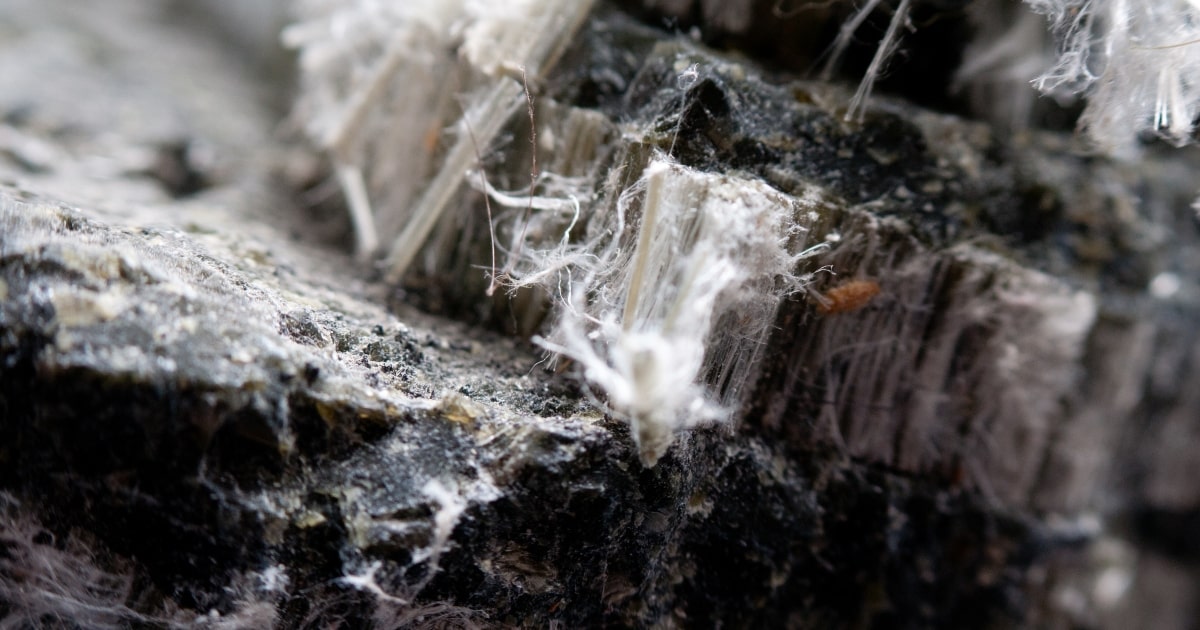
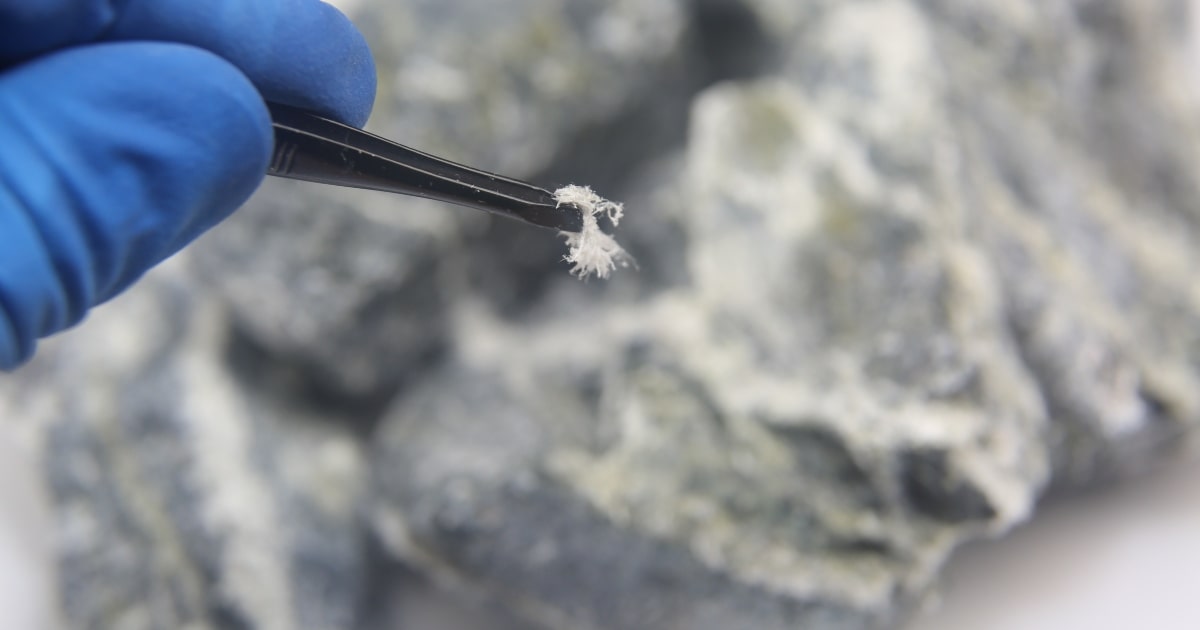
Asbestos is a class of silicate minerals. There are six types of asbestos, all of which have thin, microscopic fibres. The natural strength of these fibres made them attractive as manufacturing and building materials.
The six types of asbestos minerals are chrysotile, crocidolite, amosite, anthophyllite, tremolite, and actinolite. Though chrysotile asbestos was the most common for commercial use, all six have appeared in building materials throughout Perth.
Curious if your home contains any of the six asbestos types? Contact Rapid Asbestos Removals for professional inspection, testing, and licensed removal to protect your family and property.
Why was asbestos so popular?
Asbestos fibres are heat, fire, chemical, and corrosion-resistant. Between the 1920s and 1970s, asbestos was widely used in:
- Roofing materials
- Insulation
- Walls and eaves
- Plumbing and pipe wrap
- Fencing
- Ceiling materials
- Flooring and floor tiles
Its strength, durability, and resistance made it ideal for residential, commercial, and industrial applications. Asbestos use was banned in Australia in 2003 after health risks became clear, due to exposure to the mineral.
Where asbestos can be found
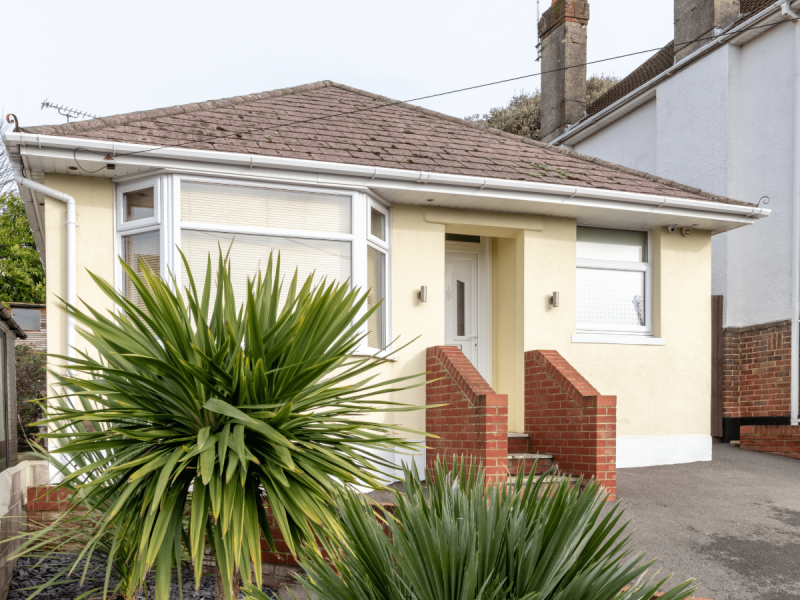
Asbestos is not in any newer constructions. However, older buildings constructed before 2003 may still contain asbestos-containing materials (ACMs). Common locations include:
- Ceilings, walls, and floors
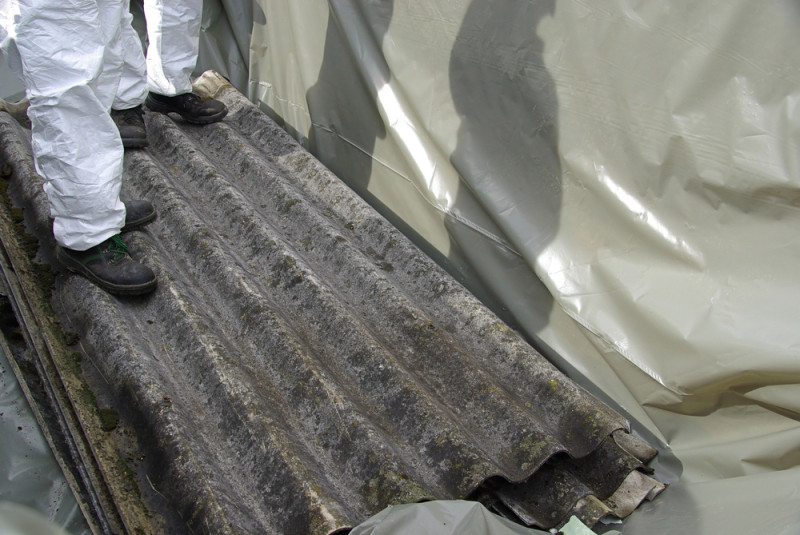
- Roof tiles and eaves
- Insulation on pipes or ducting
- Fencing (e.g., Super 6)
- Paint, textured coatings, and vinyl floor tiles
- Some older consumer products
For commercial buildings, asbestos can appear in ceiling panels, roofing, pipe insulation, and wall cladding.
If you are in Perth, WA, you will need a professional inspection and removal from Rapid Asbestos Removals before you can safely use, live in, or work on these buildings.
Even intact asbestos materials can release hazardous fibres if disturbed. Don’t take risks; reach out to Rapid Asbestos Removals for expert guidance, sample testing, and safe asbestos removal in your home.
The six types of asbestos
Asbestos minerals are grouped into two families: serpentine and amphibole.
- Chrysotile (white asbestos) – serpentine family, long flexible fibres, most widely used. Found in roofing tiles, ceilings, wall insulation, and automotive brake components.
- Amosite (brown asbestos) – amphibole, brittle needle-like fibres, commonly in insulation boards, pipe lagging, and thermal insulation.
- Crocidolite (blue asbestos) – amphibole, fine sharp fibres, highly hazardous, rarely used commercially in Australia. Found in cement, insulation, and floor tiles.
- Anthophyllite – amphibole, rare, used occasionally in cement and insulation.
- Tremolite – amphibole, loose fibres, sometimes in paint sealants, insulation, and plumbing.
- Actinolite – amphibole, thin brittle fibres, rare, may occur in cement, drywall, paints, and trace minerals like vermiculite or talc.
All asbestos types pose health risks if fibres are inhaled. Serpentine fibres are long and curved; amphibole fibres are short and stiff.
Here is a deeper look at each individual type of asbestos and where you may find it in older constructions:
1. Chrysotile asbestos
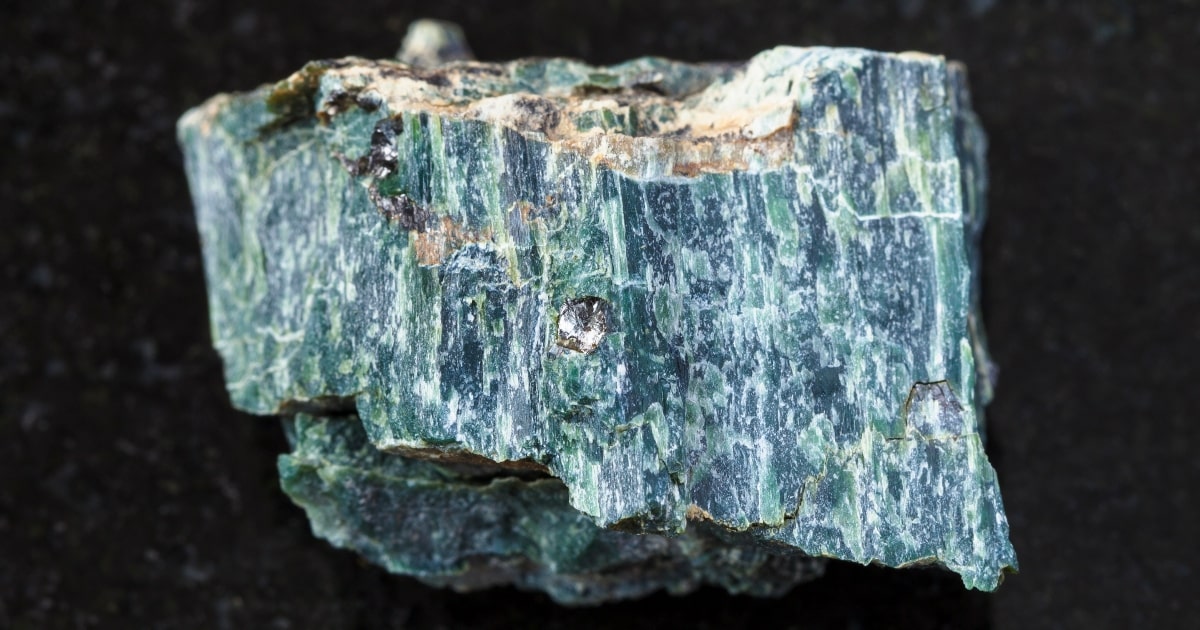
Also known as white asbestos, chrysotile was the most commonly used mineral in commercial products, accounting for around 95% of uses. Its long, flexible fibres were considered less likely to break off and become airborne, though it is still a dangerous carcinogen.
Common locations: Roofing tiles, ceilings, wall insulation, brake linings, brake pads, and clutches.
2. Amosite asbestos
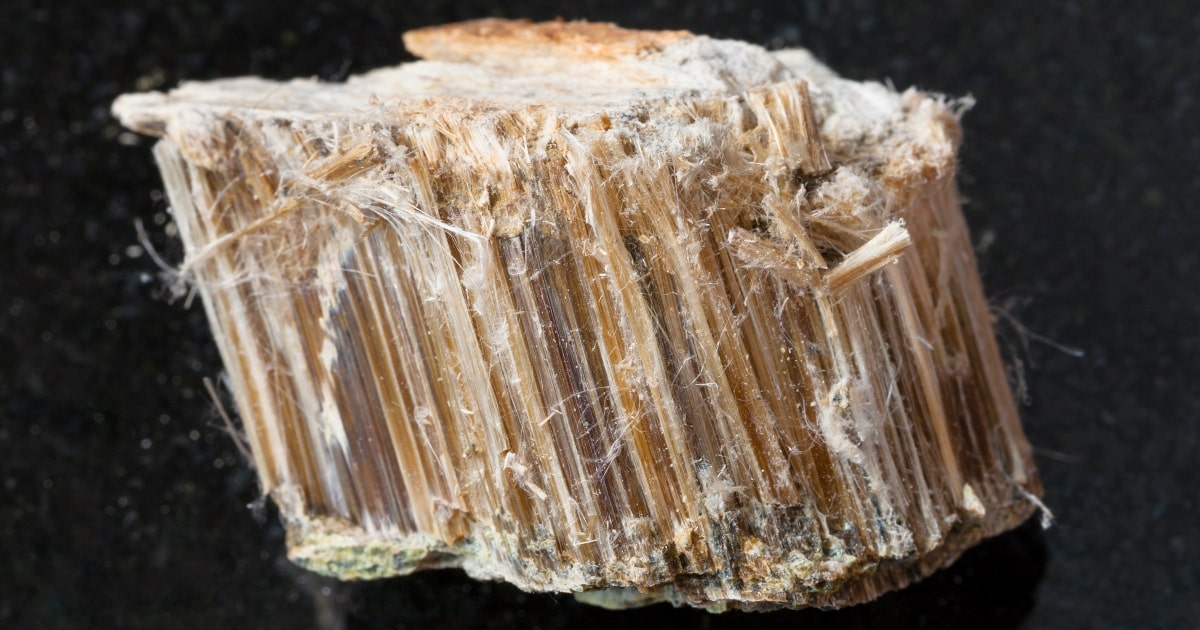
Also called brown asbestos, amosite originated in Africa but was widely used globally. It has brittle, needle-like fibres that easily become airborne, making it one of the most hazardous types.
Common locations: Asbestos cement products, pipe insulation, prefabricated insulation boards, electrical insulation, gaskets, and thermal insulation.
3. Crocidolite asbestos
Also known as blue asbestos, crocidolite has very fine, sharp fibres, making it highly inhalable. It is considered the most dangerous type of asbestos: studies on the environmental exposure of crocidolite indicate that it may be responsible for more illnesses and deaths than all the other types of asbestos.
Common locations: Cement products, insulation, and floor tiles. Its commercial use was limited due to lower heat resistance compared with other types.
4. Anthophyllite asbestos
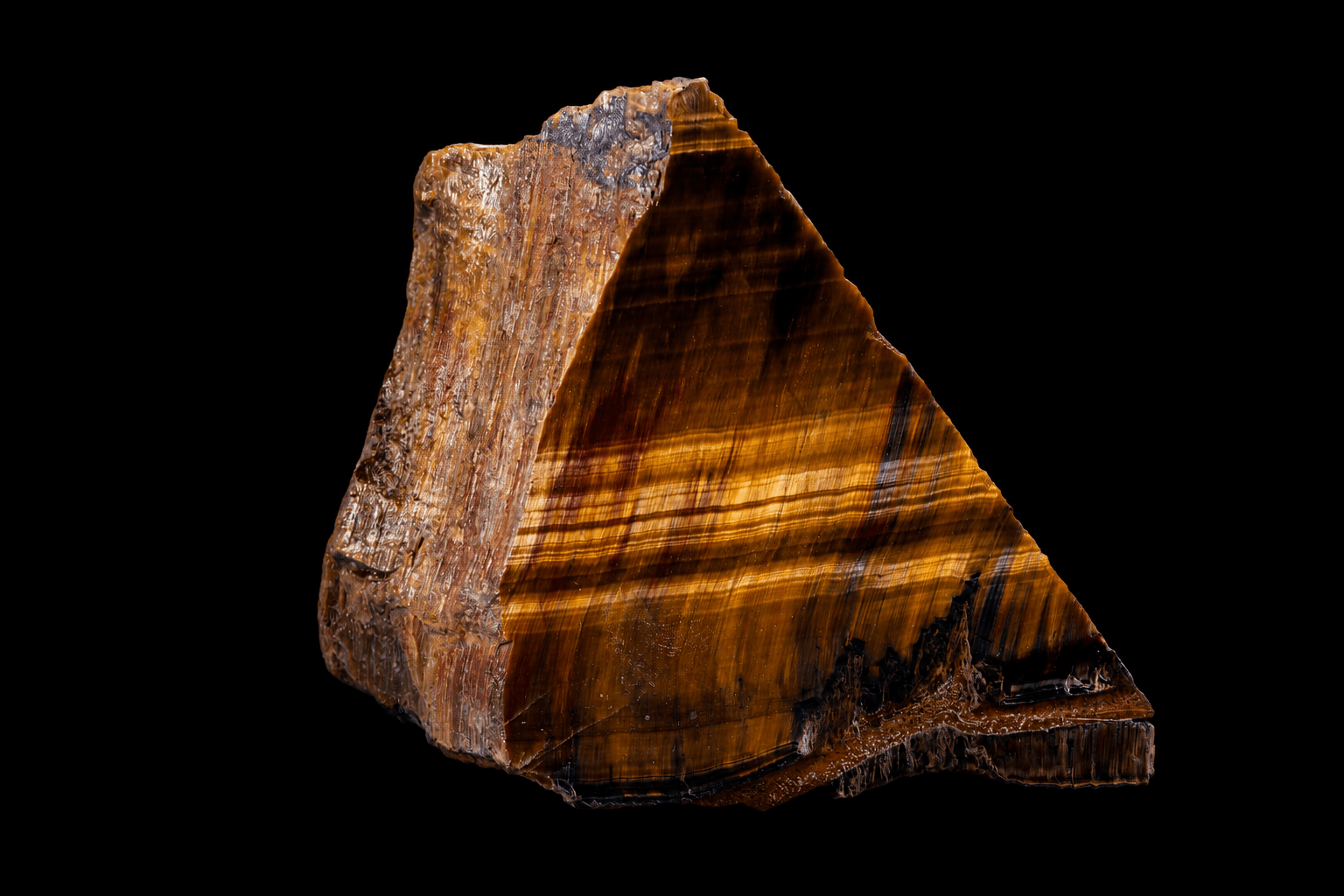
A rare amphibole asbestos with long, needle-like fibres that are easily inhaled. Its colour ranges from brownish to yellowish. It was rarely used commercially but can still appear in cement and insulation materials.
Anthophyllite is rare and typically only found in Japan and Finland. As a result of its rarity, it was not used as often in commercial products. However, it can still be found in some asbestos-containing materials, including cement and insulation.
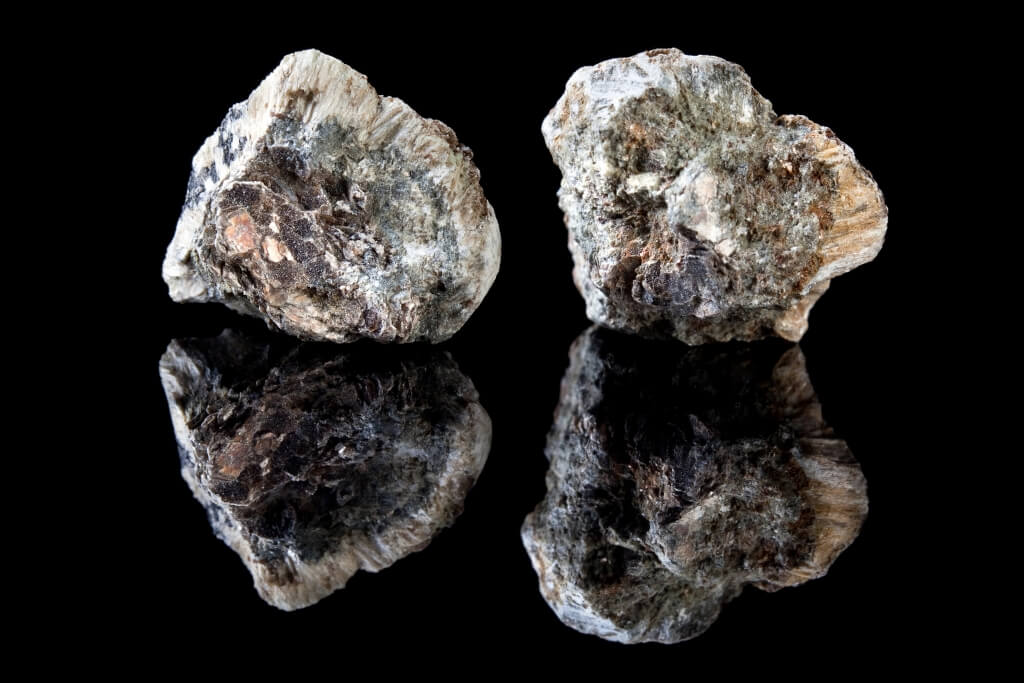
5. Tremolite asbestos
Known for its heat resistance and loose tremolite fibres that can be woven into fabrics. Like other amphiboles, it is friable and poses a serious health risk.
Common locations: While tremolite was used far less than chrysotile asbestos, it can still be found in products such as paint sealants, insulation, and plumbing materials.
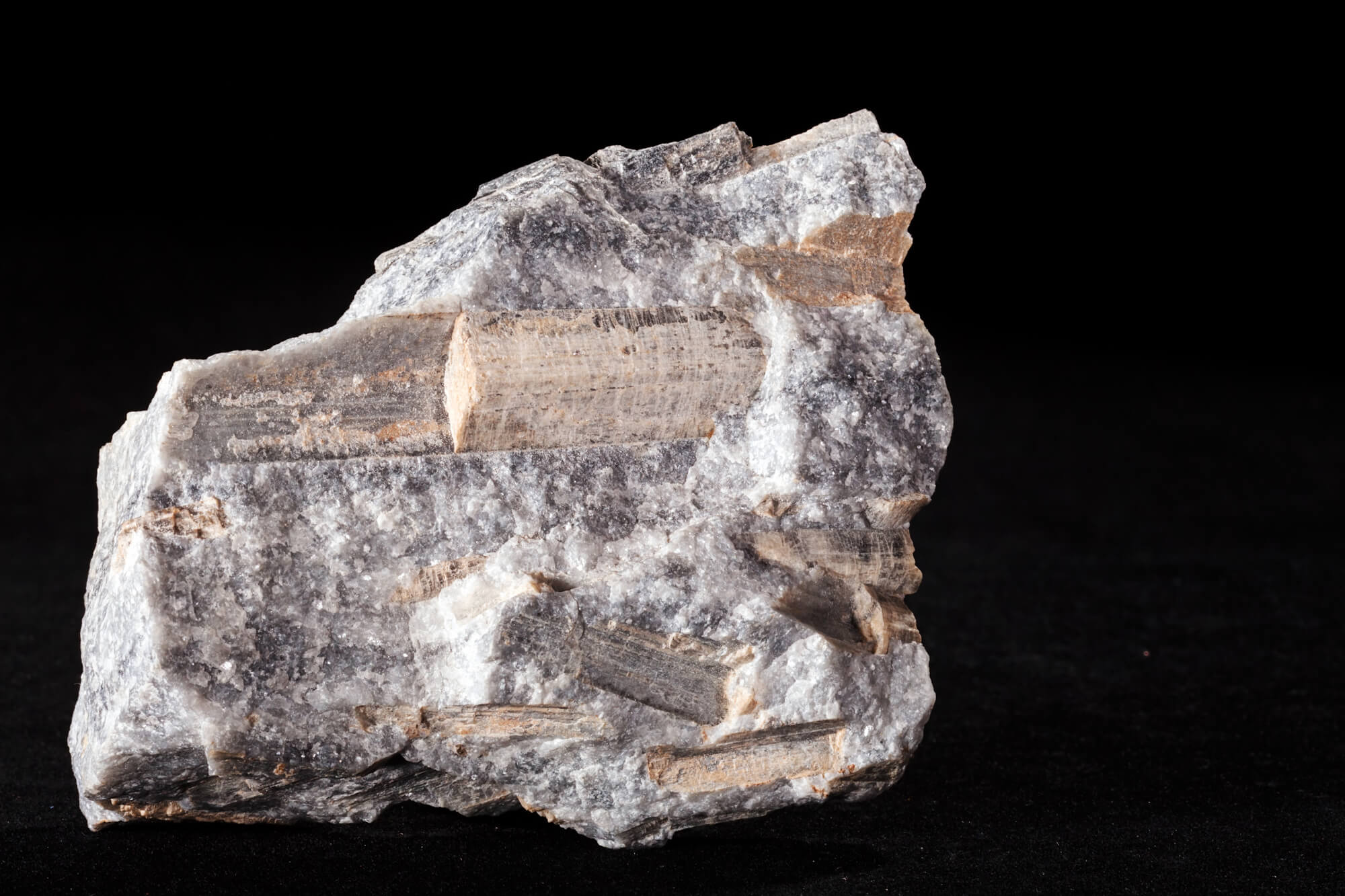
6. Actinolite asbestos
A rare amphibole asbestos, actinolite is thin and brittle. While actinolite asbestos was not widely used industrially or commercially, it does occur in some asbestos materials and is dangerous because of its thin, brittle fibres.
Common locations: It may appear in cement insulation, drywall, paints, sealants, and trace minerals like vermiculite or talc.
Key point: All six asbestos types are hazardous. Exposure occurs when fibres are released into the air, often from damaged or disturbed materials. Professional testing and licensed removal are essential for safety.
Friable vs non-friable asbestos
- Friable asbestos – can crumble easily; fibres may already be airborne. Most dangerous.
- Non-friable asbestos – bonded materials; lower risk if intact, but fibres may be released if damaged.
Removing ACMs before they become friable is critical. Always use licensed professionals for testing and removal.
How to deal with asbestos in Perth
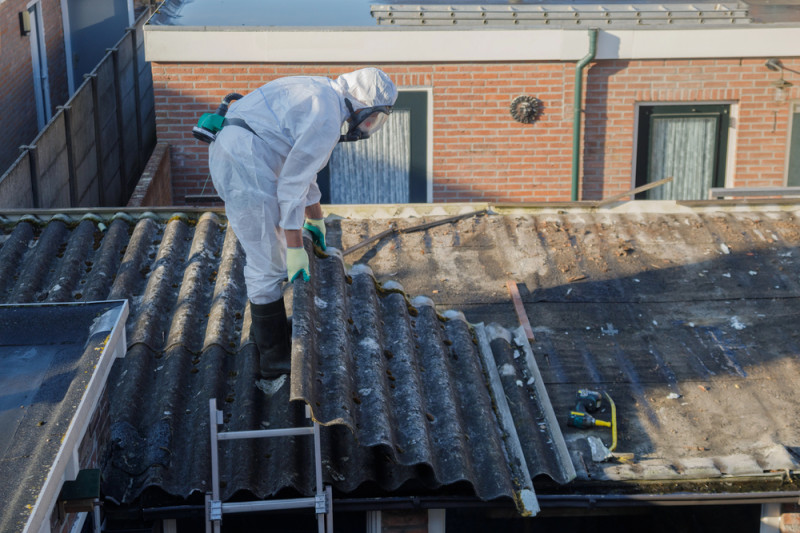
Asbestos fibres are most hazardous when airborne, and careless removal can leave traces floating in your home or business, potentially causing catastrophic health issues. Rapid Asbestos Removals offers inspection, sample testing, and safe removal for:
Contact our team to mitigate risks from asbestos in your property.
Get in touch to arrange asbestos testing or removal
FAQs about types of asbestos
Asbestos includes six naturally occurring silicate minerals, grouped into serpentine and amphibole families.
- Serpentine (chrysotile) has long, flexible fibres used in roofing, ceilings, walls, and brake pads.
- Amphiboles (amosite, crocidolite, tremolite, anthophyllite, actinolite) have short, brittle fibres found in insulation, cement sheets, tiles, and some construction materials.
All types are hazardous when fibres are airborne, so professional inspection, testing, and licensed removal are essential to protect your family or commercial site.
Chrysotile, or white asbestos, is the most widely used type in commercial products, accounting for 90–95% of applications. Its long, flexible fibres are heat-resistant and were commonly used in roofing, wall and ceiling insulation, vinyl flooring, pipe insulation, and automotive brake components.
Amosite (brown asbestos) and crocidolite (blue asbestos) were also used, mainly in cement sheets, thermal insulation, and spray-on coatings.
All asbestos types are hazardous if fibres are inhaled, so licensed professionals should always manage commercial asbestos inspection, testing, and removal
Chrysotile, or white asbestos, was the most widely used type commercially. In older Perth buildings (pre-1990), it can be found in cement sheets (roofing tiles, wall panels, eaves, pipes), vinyl and linoleum flooring, spray-on insulation, pipe lagging, textured ceiling coatings, adhesives, and automotive brake components. Because chrysotile fibres are hazardous if disturbed, professional testing and removal are essential.
Crocidolite, or blue asbestos, has fine, straight, needle-like fibres that easily become airborne and penetrate deep into lung tissue. It is highly friable, chemically resistant, and biologically persistent, making it extremely hazardous.
Historically used in steam engine insulation, spray-on coatings, and plastics, crocidolite is linked to severe diseases including mesothelioma and asbestosis. Even minimal exposure can be dangerous, so professional handling is critical.
Chrysotile, also known as white asbestos, was historically considered safer than amphibole types like amosite or crocidolite because its fibres are long, flexible, and curly rather than straight and brittle. These properties made chrysotile less likely to break off and become airborne, which reduced (but did not eliminate) the risk of inhalation.
Despite this perception, chrysotile fibres are still carcinogenic and can cause serious health conditions such as mesothelioma, lung cancer, and asbestosis. All asbestos types are hazardous, so licensed professionals should always handle inspection, testing, and removal to ensure safety in Perth homes and commercial properties.
Inhaled asbestos fibres can cause serious conditions, including lung cancer, mesothelioma, and asbestosis. Other diseases include pleural plaques, diffuse pleural thickening, and benign pleural effusion. Health risks develop slowly, often 20–40 years after exposure.
Materials that remain intact pose lower risk, but any damage, drilling, or cutting can release fibres. Licensed asbestos professionals are essential for safe inspection, testing, and removal across Perth and WA.
Airborne fibres are the greatest risk. Rapid Asbestos Removals provides: