Updated June 5, 2026
Article highlights
- Friable asbestos can crumble easily and release airborne fibres.
- Non-friable asbestos is bonded, but can still become dangerous.
- Asbestos testing is the only reliable way to confirm asbestos.
- Perth homes built before 1990 should be checked before renovation.
Asbestos is a building material that was used from the 1930’s through to the mid-1980s due to its strength, cost, and the fact that it’s incombustible, heat-resistant, and fireproof. Over time, it became apparent that those who were exposed to asbestos ended up with various health complications. This led to a complete ban on asbestos use in Australia, a law passed in late December 2003.
In this blog, we will explore the difference between friable asbestos and non-friable asbestos, provide examples of both and how to conduct asbestos testing.
Not sure if the asbestos in your property is friable or non-friable? Contact Rapid Asbestos Removals to arrange professional testing, safe inspection, and licensed removal of any non-friable asbestos.
What is friable asbestos?
Friable asbestos is where asbestos is in the form of small dust-like fibres, and most of the time, it isn’t visible to the eye. Friable asbestos is the type of asbestos you need to be cautious of, as the small fibres can easily be inhaled or ingested.
If done so, these fibres may become trapped and pass deep into the lungs or digestive system, where they can cause health problems such as asbestosis, lung cancer or mesothelioma. These diseases have been found in people who were exposed to large amounts of friable asbestos for a long period of time. In fact, symptoms don’t usually appear until 20 to 30 years after the initial exposure.
Although asbestos may appear non-friable, it can be friable and therefore easily disturbed, even by hand! Friable asbestos is prone to damage and can be easily broken, which is why hiring a professional to remove and dispose of the asbestos is highly recommended.
What are some examples of friable asbestos-containing materials?
The fibrous asbestos materials that were spray-applied for fireproofing, soundproofing, insulation, or decorative purposes are generally friable. Friable asbestos may be present in the following materials:
- Roofing felts
- Tremolite-containing sand
- Loose or batt insulation
- Insulation boards on walls
- Pipe coverings
- Clay-based plumbing putty
- Flexible connections for ventilation ducts
- Paper “felt” underlayment for flooring
- Mastic adhesives for vinyl floors, carpets and ceiling tiles
This is only a concise list, and there are many more friable asbestos-containing materials. If unsure, contact us at Rapid Asbestos, and we can check for hazardous materials. With our experience, we can often identify suspected asbestos materials during inspection. If there’s any uncertainty, we’ll take a sample and send it for testing to confirm it properly.
What is non-friable asbestos?
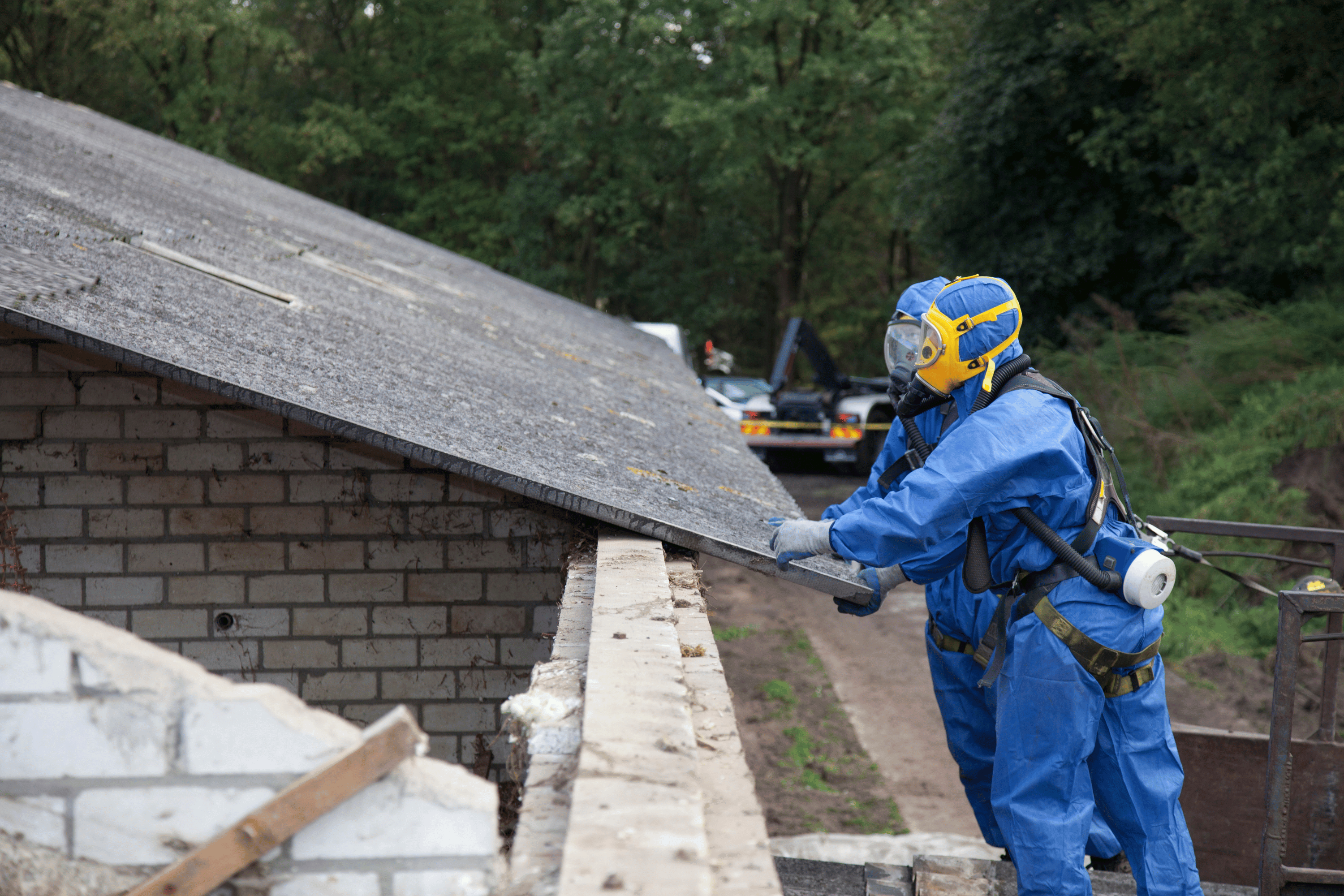
Non-friable asbestos is bonded using a harder material such as cement. Non-friable asbestos materials are solid, rigid and cannot be easily crumbled, pulverised or reduced to powder.
If non-friable asbestos is disturbed or damaged in any way, then you run the risk of exposing the fibres. This generally happens over time, for example, if the material is crushed, damaged by fire or exposed to harsh chemicals.
What are examples of non-friable asbestos?
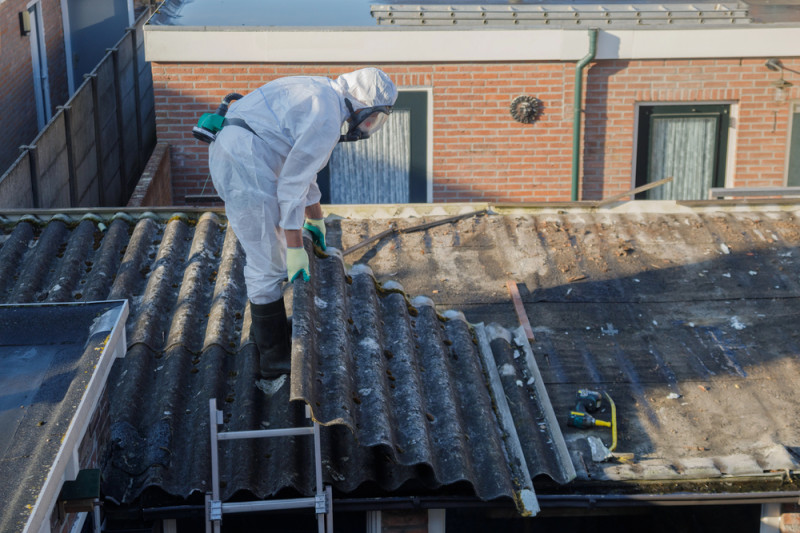
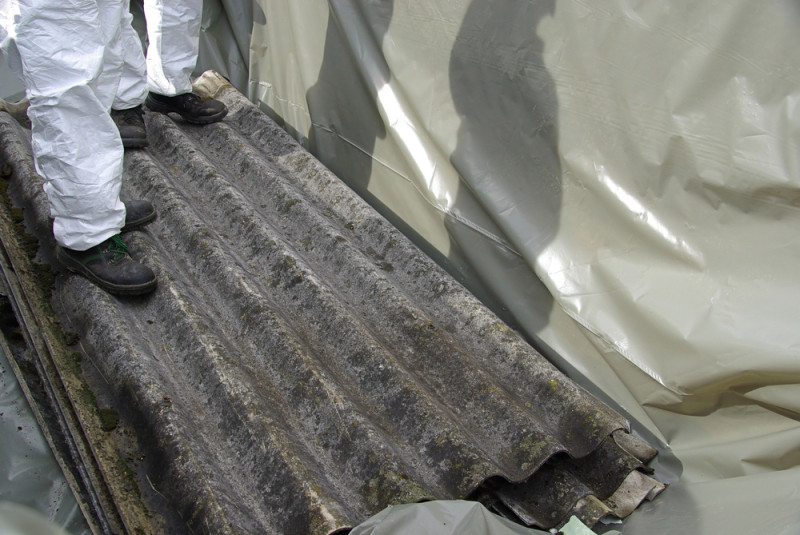
- Asbestos cement sheets, often used for fencing or roofing
- Asbestos cement moulded products such as gutters and downpipes
- Bitumen-based waterproofing
- Vinyl floor tiles
- Eaves, soffits and wall cladding in older properties
- Thermal boards around fireplaces
- Exterior and interior textured coatings that are intact and bonded
These products are generally stable when intact, but any cutting, drilling, sanding, crushing or weathering can release fibres, so professional inspection and removal is recommended.
Friable and non-friable asbestos require different handling to stay safe. Don’t risk exposure; reach out to Rapid Asbestos Removals for expert guidance, sample testing, and secure asbestos management.
What to do if you come in contact with asbestos?
No matter the type of asbestos, whether non-friable or friable, if you have come in contact with either of these materials, you should seek medical advice from a healthcare professional.
Why the difference matters before asbestos removal
Friable and non-friable asbestos are not handled the same way. Friable asbestos is more likely to release fibres when disturbed, so it carries a higher risk during inspection, removal and disposal.
Non-friable asbestos is more stable when intact, but it still needs caution. If it is cut, drilled, broken, pressure-washed, burnt, or weathered, the bonded material can break down and release fibres.
This matters for homeowners, builders and property managers because the type and condition of asbestos affect how the material should be tested, removed and disposed of. If you are planning renovation or demolition work in a Perth property built before 1990, arrange asbestos testing before disturbing any suspected material.
Enquire about asbestos testing
Friable and non-friable asbestos testing
If you find asbestos, whether friable or non-friable, it is important that you seek assistance from a licensed asbestos removalist to inspect and test the material and ensure its correct removal and disposal.
With free asbestos sample testing at Rapid Asbestos Removals, there really is no excuse to risk exposing you or your loved ones to the many health issues it can cause.
If you would like to learn more about our free sample testing or how we remove and dispose of non-friable asbestos, please contact our friendly team, who will be happy to assist.
FAQs about friable and non-friable asbestos
Asbestos testing starts with an inspection of the suspected material. A sample is then taken carefully and sent to a NATA-accredited laboratory for analysis. This confirms whether asbestos is present and helps determine the safest removal and disposal method.
Friable asbestos is asbestos that can be easily crumbled, crushed or reduced to powder. It has a higher risk of releasing airborne fibres when handled or disturbed, which makes it more dangerous than bonded (non-friable) asbestos. Safe Work Australia and WorkSafe WA both define friable asbestos as easily crushed into powder.
Important: Rapid Asbestos Removals does not remove friable asbestos. We are certified and fully compliant under our Class B restricted licence, which covers only bonded asbestos. For friable asbestos removal, you must hire a licensed Class A asbestos removalist.
What Rapid Asbestos Removals can do:
- Inspect, sample, and test suspected asbestos materials for free when contracted.
- Safely remove and dispose of bonded (non-friable) asbestos such as fencing, wall cladding, and eaves.
- Coordinate asbestos air monitoring and visual clearance inspections.
To arrange an inspection for suspected asbestos or get expert advice, contact the Rapid Asbestos Removals team.
Non-friable asbestos, also called bonded asbestos, is mixed with cement, resin or another hard bonding material that helps keep the fibres in place. It is lower risk when intact, but it can release airborne fibres if it becomes damaged, weathered, cut, drilled, crushed or exposed to fire. Safe Work Australia and WorkSafe WA both define non-friable asbestos as bonded asbestos that cannot be easily crumbled, pulverised, or reduced to powder.
We can inspect, test and safely remove non-friable asbestos, ensuring the material is handled and disposed of correctly.
Get in touch to arrange safe and compliant bonded asbestos testing or removal.
Friable asbestos may be found in loose-fill insulation, sprayed fireproofing, sprayed soundproofing, pipe lagging, some insulation boards, roofing felts, old flooring underlay and some older adhesives. These materials can release fibres more easily, so they should not be disturbed.
Non-friable asbestos may be found in asbestos cement sheets, fencing, roof sheets, eaves, wall cladding, moulded cement products, vinyl floor tiles and some bitumen-based waterproofing. These products are generally more stable when intact, but they still need careful handling.
Yes, testing is recommended if your home or commercial property was built or renovated before 1990. A visual check is not enough to confirm asbestos. If you are removing flooring, walls, roofing, eaves, fencing or old insulation, test the material before work begins.
Yes. Non-friable asbestos can become friable if it is damaged, weathered, burnt, crushed, drilled, sanded or cut with power tools. Once the bonding material breaks down, asbestos fibres are more likely to become airborne. WorkSafe WA notes that bonded asbestos can release fibres when damaged by weathering, age, fire or cutting.