Updated June 8, 2026
Article highlights
- Super 6 asbestos fencing contains fibres; Hardifence does not.
- Super 6 panels have 7 ridges; Hardifence generally has 5.
- Hardifence may have “made without asbestos” markings; Super 6 does not.
- Super 6 surface is snake-like; Hardifence has dimple marks.
- Inspect, test, and sample fences safely before painting or pressure washing.
If you have recently purchased an older house and are looking to replace the fence, it’s important to check whether it’s Super 6 asbestos fencing.
Super Six fencing was used by fencing contractors from the 1950s to around 1985, after which it was replaced by a very similar-looking fencing product, also known as Hardifence.
In this blog, we explain how you can tell the difference between Super Six asbestos fencing and Hardifence, as you don’t want to make the mistake of thinking your fence is Hardifence when it is, in fact, a Super Six asbestos fence.
1950 to 1985: Super 6 asbestos fencing
Super 6 fences are white to grey and were installed on many residential properties to provide privacy and separation. They are strong and durable but heavy. Because they contain asbestos fibres, they must be removed and disposed of correctly by a licensed removalist.
1985 onwards: Hardifence
Hardifence, created by James Hardie’s HardieFence business, entered the market in 1985 to replace Super 6 asbestos fencing. It is made from cement fibre sheets and aluminium capping, making it extremely heavy and long-lasting, with the strength of a Super 6 asbestos fence. Hardifence is identical on both sides and can be painted any colour. It is not asbestos-containing. In March 2019, there was a spike in new players entering the market, including Colorbond, prompting James Hardie to discontinue the product.
7 key differences between Super 6 asbestos fencing and Hardifence
Super 6 fence and Hardifence look almost identical to the untrained eye. In saying this, there are a few key differences between the two types of fencing. When trying to decipher the difference, consider:
1. When the fence was built
Check the age of the property. Older homes may still have Super 6 fencing. If you are not sure, you can contact the council. This isn’t always going to be an accurate way to tell the type of fencing material, as the fence may have been remade since the house was built.
2. Count the number of ridges
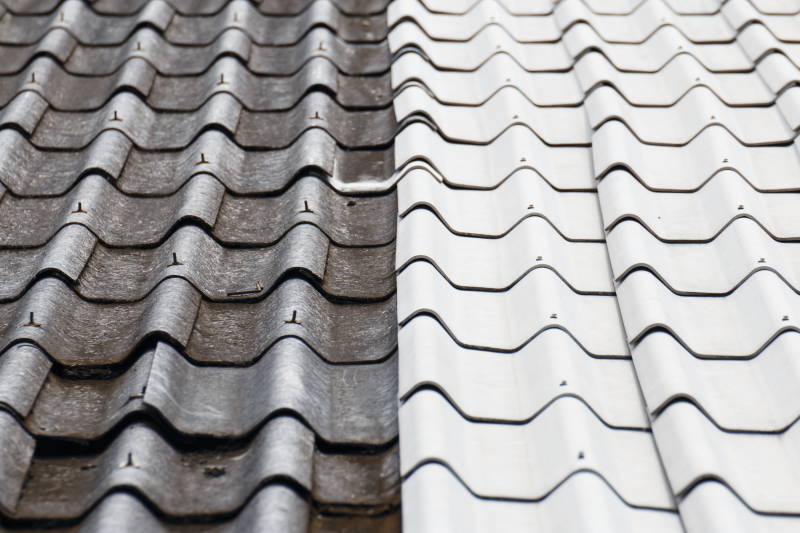
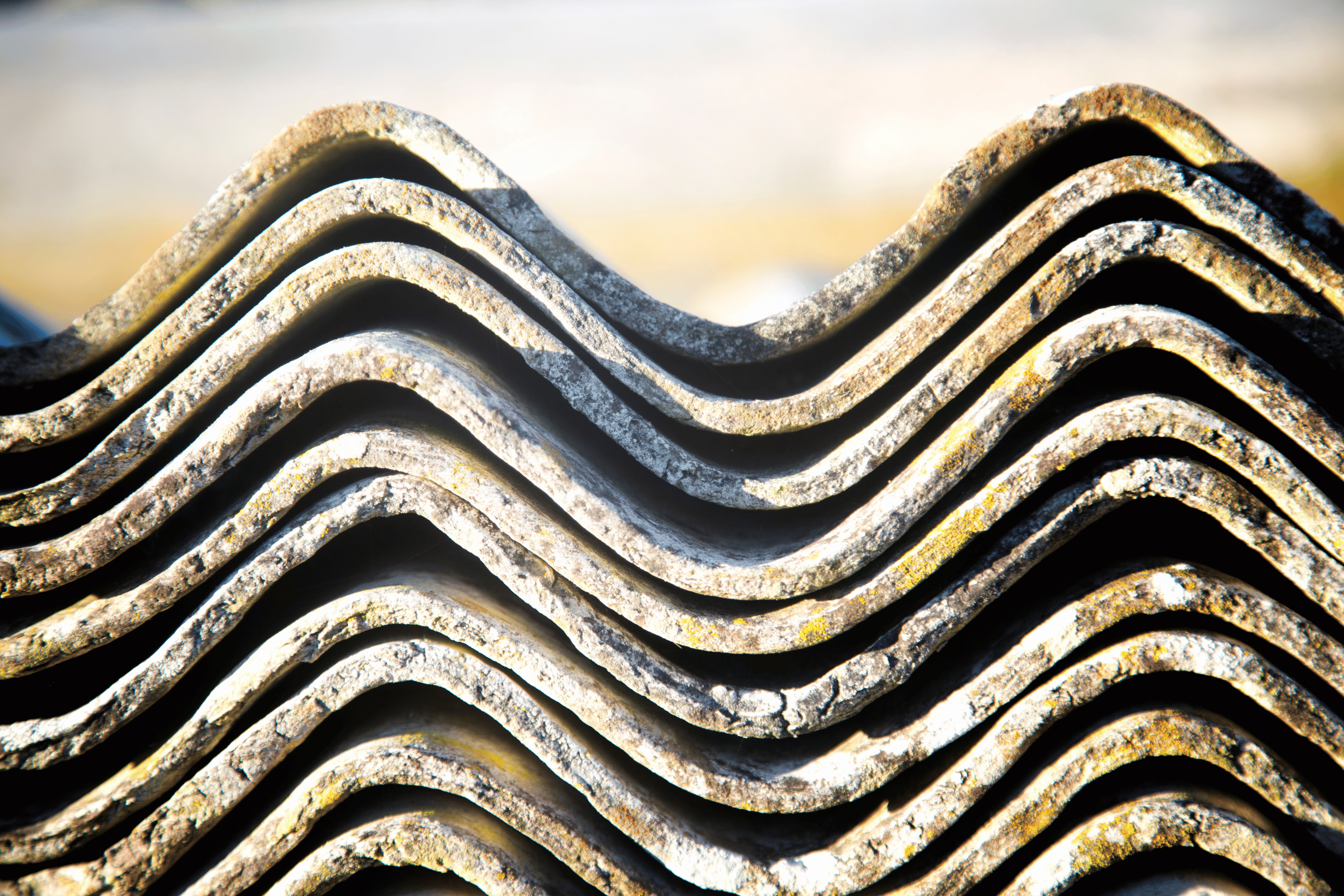
Super Six asbestos fencing panels were designed with 7 ridges. Hardi fence sheeting, on the other hand, generally has 5 ridges. However, there are forms of Super Six fencing which are, in fact, asbestos-free as they were built after the 1980s.
3. “Made without asbestos” markings on the fence panel
In the early days, Hardifence was marked on a section of the fence sheet with the words “made without asbestos” or a similar marking to make it clear that the fence is asbestos-free, whereas the Super 6 fence has no such marking.
4. The surface looks and feels different
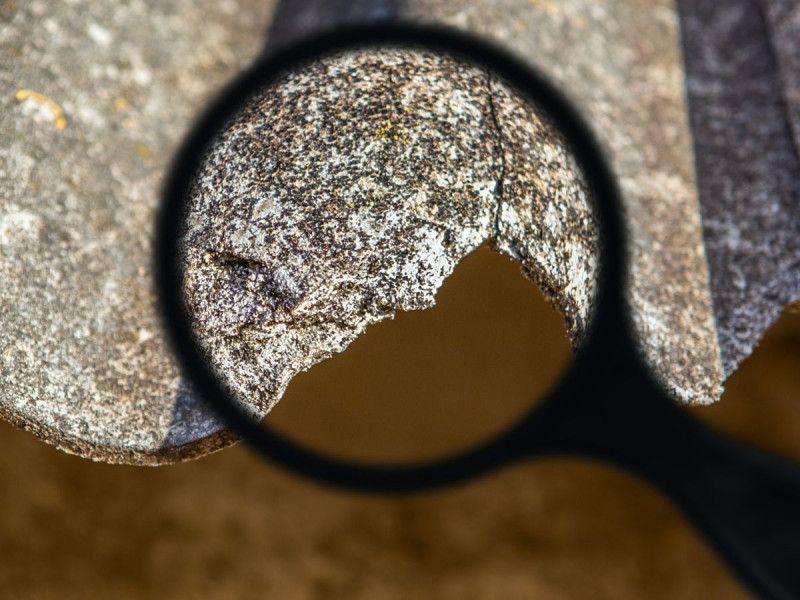
The surface texture of a Super Six asbestos fence has snake-like skin, whereas Hardifence has visible dimple marks.
5. Different fence capping
When Super 6 fencing was installed, it was usually fitted with a fibre cement capping. Hardifence, on the other hand, has aluminium capping. However, not all fences have capping, especially the earlier versions of the Super 6 fencing.
6. Check if it’s fastened together
Hardifence is generally not fastened together, and if it is, it is with the use of clips under the metal capping, whereas asbestos fence sheets are generally fastened with diamond washers and bolts at the top and bottom of each sheet.
7. Layered vs consistent material
If the fence is broken, have a look at the point where it broke. Super 6 asbestos fence will likely look like a consistent, dense material, whereas Hardifence is more layered and looks like papier-mâché. If the fence is not broken, we do not advise breaking it! This method of deciphering the difference should only be used on a fence that already has a break.
Not sure if your fence is Super 6 asbestos or Hardifence? Get in touch with Rapid Asbestos Removals for professional testing and safe removal.
Asbestos fence identification
While this blog can help homeowners determine whether their fence is Super Six asbestos cement fencing or Hardifence, the most accurate way to test is to speak with an asbestos professional. At Rapid Asbestos, we have over 15 years of experience identifying and safely handling asbestos in residential homes and commercial properties in Western Australia.
This checklist helps identify the fencing type safely, but professional testing is the only way to be 100% certain.
Visual checklist:
- Count ridges
- Check for asbestos-free markings
- Inspect surface texture
- Examine capping type
- Note fastening method
Painting or pressure washing: Never sand, cut, or pressure wash Super 6 panels. Doing so can release fibres. Always confirm the material is non-asbestos before painting or washing.
If you are unsure whether a fence contains asbestos, we can take a sample for laboratory testing. Get in touch with our friendly team today to have your materials tested. If you book a sample test through Rapid Asbestos Removals and we complete the asbestos removal job for you, the sample test will be free.
Contact us for asbestos fence testing or removal
Super 6 asbestos fence services in Perth
Rapid Asbestos Removals provides a full range of services for residential and commercial properties:
We can help you identify, test, and safely remove Super 6 fencing. For a detailed breakdown of costs and pricing for asbestos fence removal, see our asbestos fence pricing page.
Even small sections of Super 6 fencing can release asbestos fibres if disturbed. Don’t risk it; contact Rapid Asbestos Removals to have your fence inspected, tested, and safely removed.
FAQs about Super 6 asbestos fencing and Hardifence
No. Super 6 asbestos fencing was discontinued in 1985 due to it containing dangerous asbestos fibres, however it can still be present in a lot of older houses. Because of the health risks associated with asbestos fibres, it’s important to have any suspected fencing inspected and tested by a licensed asbestos professional.
Get in touch with our team today to arrange a professional inspection and sample test for your fence.
Hardifence has been discontinued in recent years. In March 2019, James Hardie discontinued the Hardifence product due to declining demand as other brands, such as Colorbond, took over the market.
Super 6 was commonly installed as fencing or roofing on residential properties. This is more likely if your property was built between the 1950s and 1985. It can also appear in some commercial sites built before 1985.
Yes. Many homes and properties built before the 1990s may still have Super 6 fencing or other asbestos-containing materials.
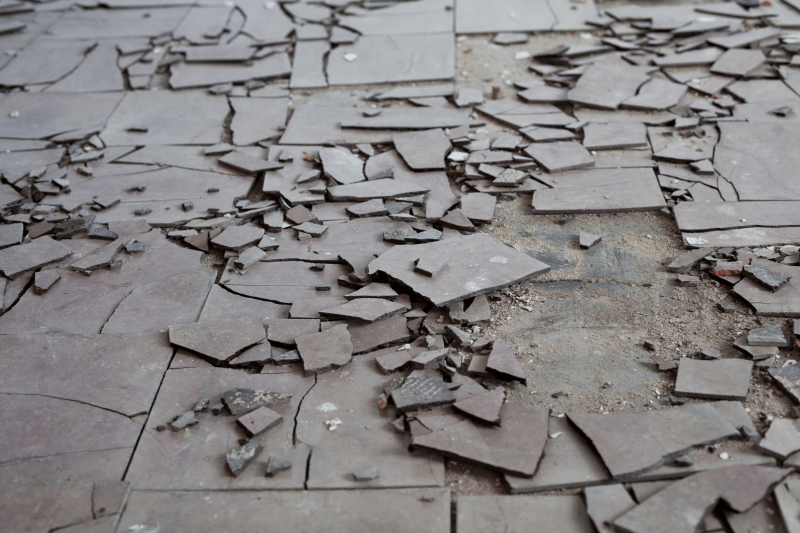
If your property was built in Perth between the 1950s and 1985, it is very likely to have an asbestos fence and other asbestos products, such as asbestos roofing or flooring.
Look at the ridge count, panel markings, surface texture, and capping type. For certainty, a licensed asbestos removalist can inspect, test, and sample the material.
Do not sand, cut, or pressure wash Super 6 panels, as this may release asbestos fibres. Only paint or clean after confirming it is non-asbestos or after professional removal.