Updated June 9, 2026
Article highlights
- Asbestos may be present in floors, ceilings, walls, roofs, and pipe insulation.
- Older homes, especially pre-1980, are more likely to contain asbestos.
- Do not disturb asbestos materials; fibres can be airborne and hazardous.
- Professional testing is the only way to be certain.
- Always hire licensed experts for removal and disposal.
Asbestos is a mineral that was used extensively in building materials during the mid-1900s. Its use has since been banned, but it still poses health risks to homeowners today. Asbestos can be found in many household products, including vinyl flooring and ceiling tiles, insulation on pipes or walls, linoleum flooring or mats under kitchen countertops and sinks, old paint containing asbestos (usually found in pre-1970 homes), shingles on roofs of older homes (especially those built before 1980), old fencing, and even in some children’s toys.
This blog will explain everything you need to know about how to identify asbestos in your home. It will detail where asbestos may be found in each room of your home (bathroom, toilet, bedroom). However, this should be used as a guide only, and we highly recommend you contact a certified residential asbestos remover to test your home before undertaking any demolition or home renovations.
Where asbestos may be found in your home
Asbestos in bathrooms
- Asbestos cement products in sinks, countertops, and bathtub linings
- Old textured paints (usually pre-1970)
- Floor tiles around showers and sinks
Asbestos can be found in bathrooms of older homes in the form of asbestos-cement products. Asbestos was added to concrete mixes for its fireproofing properties and can be found in sinks, countertops, and bathtub linings, as well as in old textured paints containing asbestos (usually found in pre-1970 homes).
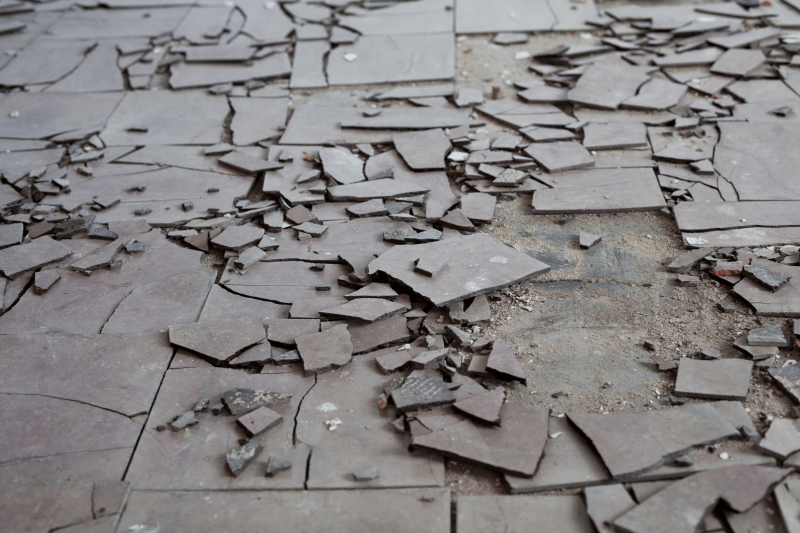
Asbestos may also sometimes be used in floor tiles around sinks and showers due to its waterproof qualities. While no longer available commercially, you will occasionally come across some vintage tiles that are made from asbestos-containing material.
If you suspect your bathroom contains any asbestos products, it would be best not to handle them yourself – instead, get in touch with a certified asbestos removalist to remove and dispose of the asbestos correctly.
Asbestos in toilets
- Insulation around water tanks or old pipe insulation tape
Your bathroom is not the only place you may find asbestos in homes. If you have a toilet not located in the bathroom, it’s important to know it may still contain asbestos. In older homes, insulation around the water tank or old pipe insulation tape is likely to contain asbestos.
Asbestos in kitchens
- Behind wall coverings and under vinyl floor tiles
- Behind older dishwasher installations
As with the bathroom, asbestos-containing products may be found in the kitchen, such as behind wall coverings and under vinyl floor tiles.
It is important to note that asbestos-containing materials are not necessarily dangerous so long as they remain undisturbed, but if you happen upon any old insulation or pipe wrap, it should be safely removed by professionals before being disposed of correctly.
Asbestos can also potentially be found behind dishwasher installations, particularly older ones. The same rules apply here: only remove these asbestos materials if renovation work is planned on your home.
Asbestos in bedrooms and living areas
- Ceiling insulation or pipe wrap
- Wall cavities (safe if undisturbed, but must be removed during renovations)
Don’t forget to test for asbestos in bedrooms and living areas. If there is any old ceiling insulation or pipe wrap, it may contain asbestos and should be removed by an expert.
Another place where asbestos is commonly found in older homes is inside the wall cavity. If these walls do not contain electrical wiring, they can generally remain untouched – but only until the point at which the house needs renovating (at which stage all such materials need to be removed and disposed of correctly).
Asbestos in or on your roof
- Insulation or roof tiles; fibres can become airborne easily if damaged
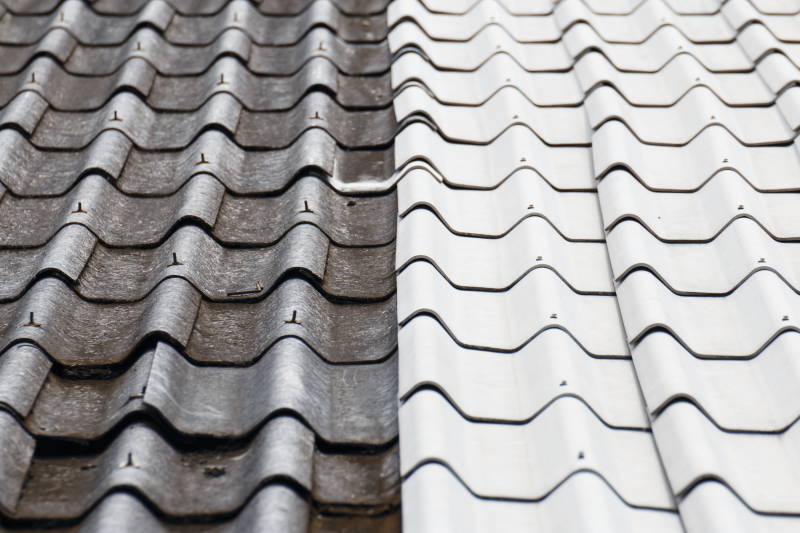
Don’t forget about what sits over your head. The asbestos in your roof is likely to be found either inside the insulation (if it still exists) or on top of it (in the roof tiles).
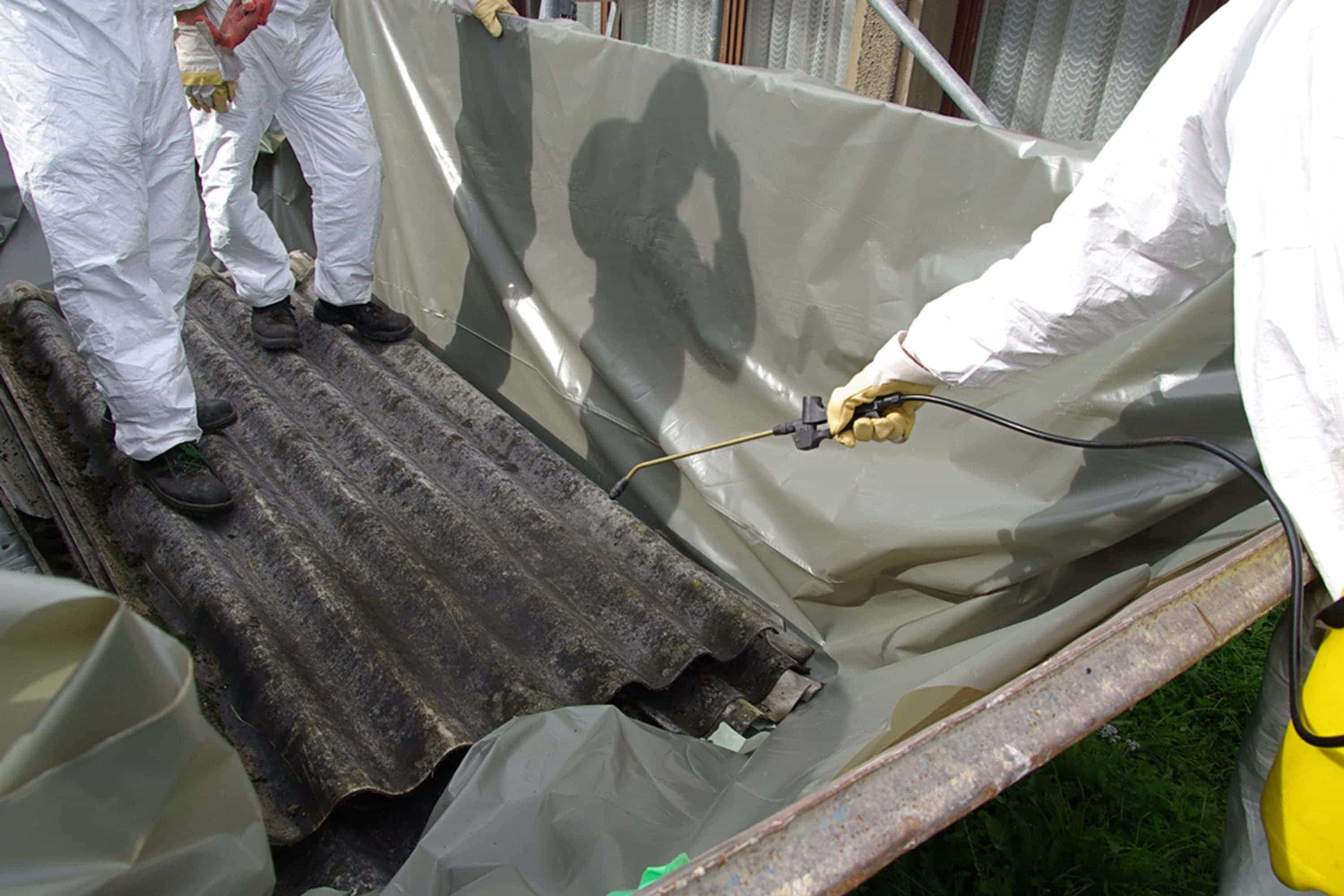
The best course of action for this type of asbestos is for an expert to safely remove and dispose of the asbestos insulation or ceiling tiles, as asbestos fibres can easily become airborne during removal.
Asbestos in your backyard
- Asbestos cement fencing (e.g., Super 6) or buried asbestos-containing materials
Last but not least, your backyard may contain asbestos products. If it is an older house, you may find asbestos cement or asbestos sheeting was used to build the fence around your home, commonly known as Super 6 asbestos fencing.
You may even find traces of asbestos buried in your backyard. If you do, you should contact a licensed professional and stop any digging or excavation until the area has been tested.
Worried asbestos could be in your home? Reach out to Rapid Asbestos Removals for professional inspection, safe testing, and licensed removal.
How to identify asbestos in your home
Now that it’s clear where asbestos may be present in your home, we will look at how to identify asbestos in your home by its look and feel.
Some clear signs of asbestos in materials:
- Dusty material: This could indicate an older type of insulation or pipe wrap that contains harmful asbestos fibres.
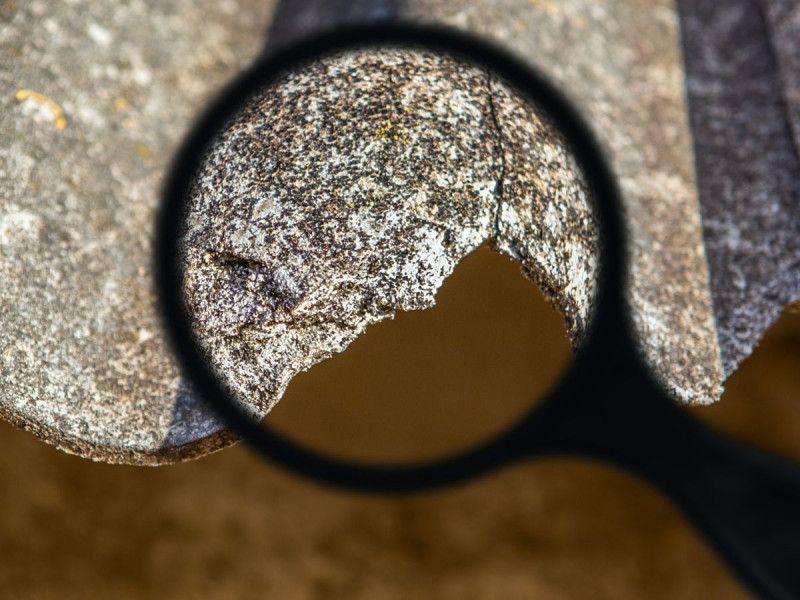
- Flaking material: Generally found on ceilings inside the wall cavity, as well as around hot water pipes where they enter into a room from outside walls. This can also occur with old ceiling insulation.
- “Fuzzy” texture: If the surface feels “spongy”, has a “fuzzy” texture, is brittle and crumbles in your hand when you touch it.
Tip: Professional testing is the safest way to confirm the presence of asbestos. We can take samples and have them analysed in a NATA-accredited laboratory.
Asbestos exposure carries serious health risks. If you’re unsure, contact the professionals at Rapid Asbestos Removals for inspection, testing, expert guidance, and safe asbestos management for your home.
Asbestos dos and don’ts
Homeowners should take all necessary safety precautions to avoid asbestos exposure. Below is a quick reference list of dos and don’ts regarding asbestos.
Do
- Take the necessary safety precautions to avoid asbestos exposure.
- Take every precaution not to damage any asbestos materials.
- If in doubt, contact licensed professionals to test for, remove and dispose of any asbestos materials.
- If you are planning to demolish or renovate your home, have a licensed asbestos professional inspect, test, and, if necessary, safely remove any asbestos-containing materials before starting work.
- Inform real estate agents or building inspectors and facility management about known asbestos.
- Ensure correct disposal of all asbestos materials.
Don’t
- Disturb asbestos-containing materials.
- Sweep, vacuum, or dust debris that may contain asbestos fibres.
- Attempt DIY testing without proper authorities.
- Perform any work on or near asbestos materials without professional guidance.
- Never dispose of asbestos with general household waste.
Now identified, what are the next steps?
If you’re unsure whether asbestos is present, don’t take any chances; contact a licensed asbestos professional. Rapid Asbestos Removals specialises in residential and commercial asbestos testing, removal, and safe disposal. We can inspect your property, take samples for testing, and safely remove any asbestos if required.
Get in touch to arrange safe and compliant asbestos testing or removal
FAQs about asbestos in your home
Not always. Asbestos is safe when intact and undisturbed. Removal is necessary only if materials are damaged, deteriorating, or will be disturbed during renovations. If you do plan to do any renovations or demolition work in an old home, you should contact a certified asbestos removalist to remove and dispose of the asbestos safely.
No. Disturbing asbestos can release fibres into the air, creating serious health risks. While minor repairs on intact asbestos cement products may be possible, any major home improvements should always be carried out by a licensed asbestos professional. This ensures the material is removed correctly and disposed of safely.
Houses built before the 1990’s are likely to contain asbestos products. You can often tell if there is asbestos material in your home by the look and feel (dusty, flaking, or “fuzzy” texture).
However, visual inspections alone are not typically enough. When in doubt, a licensed asbestos professional can inspect, sample, and test materials in a NATA-accredited lab.
If you have been exposed to asbestos-containing materials, seek medical advice promptly. Inform your doctor about the exposure, as they may recommend a chest scan to check for signs of asbestos-related disease. Keep in mind that asbestos-related conditions usually develop many years after repeated exposure or following an intense short-term exposure.
If you have asbestos-containing materials in your home that become disrupted by demolition or home renovation projects, you may run the risk of exposing asbestos fibres. Exposing these fibres could lead to you inhaling them, which can lead to long-term health risks.
Asbestos fibres can cause serious health issues when inhaled or ingested, including asbestosis, lung cancer, and mesothelioma.
Asbestos present in materials can become friable if it has been damaged or worn over time. Friable asbestos poses the greatest health risk because fibres can become loose and get into your airways, causing serious illnesses such as lung cancer, mesothelioma, and other asbestos-related diseases. Which is why it is best to avoid asbestos exposure as much as possible and to contact licensed professionals.
Stop any digging immediately and contact a licensed asbestos professional to inspect and safely test the area. Never attempt removal yourself.
Our experts can come to take soil samples to test for asbestos, and if asbestos is found, we can then safely remove and dispose of it correctly.