National Asbestos Awareness Week 2026 runs from 23 to 29 November, and this year’s national campaign has a clear audience in mind: DIY renovators and tradies. That lines up with what we see on Perth sites.
After more than 8,900 jobs, we can tell you the trouble rarely starts with asbestos sitting quietly in a wall. It starts when someone cuts, drills, sands or demolishes a material without knowing what’s in it. So which materials should make you stop and check first?
What is National Asbestos Awareness Week?
National Asbestos Awareness Week is run each year by the Australian Government’s Asbestos and Silica Safety and Eradication Agency (ASSEA). Since 2020, ASSEA has been running campaigns to raise awareness of asbestos, asbestos safety and asbestos-related diseases across Australia.
The current campaign message is blunt. It reminds Australians that ‘Asbestos Can Kill’ and targets people aged 18 to 55, with a focus on DIY renovators and tradespeople. The aim is to encourage homeowners to respect the risks, know the facts and get expert guidance before starting a project that may involve asbestos.
You can find the official campaign resources on the National Asbestos Awareness Week page from ASSEA.
Why asbestos awareness still matters in Perth
Asbestos was banned in Australia more than 20 years ago, but the building materials didn’t disappear with the ban. An estimated one in three homes across Australia still contain asbestos. More than 4,000 Australian lives are lost every year from asbestos-related diseases.
Here’s the part that sounds like a contradiction. Bonded (non-friable) asbestos in good condition, left alone, is generally low risk. The danger comes when it’s damaged or disturbed, because that’s when fibres can become airborne. Weathering plays a part too, and Perth’s hot, dry summers are hard on old fibro and asbestos cement products.
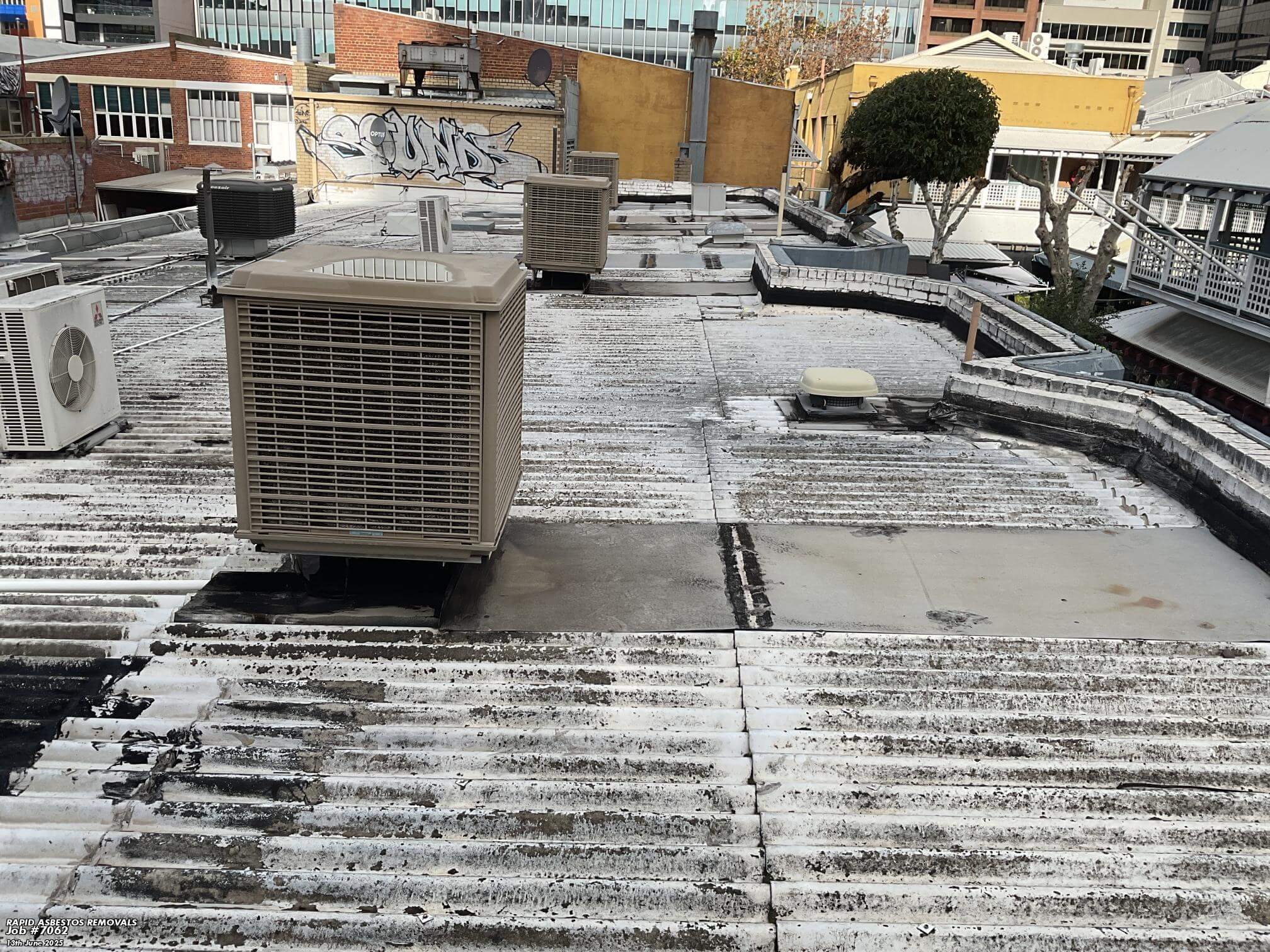
Perth has plenty of pre-1990 housing stock, plus older commercial and industrial buildings in suburbs such as Bayswater, Bassendean and Welshpool. Not every older property contains asbestos. The age of the building simply raises the odds. And a pattern we see again and again is that owners and tradespeople don’t realise a material contains asbestos until the work has already started.
Where we commonly find asbestos on Perth jobs
These are materials we regularly deal with, along with the everyday jobs that tend to disturb them.
| Material | Where you’ll find it | What usually disturbs it |
|---|---|---|
| Asbestos cement fencing | Side and rear boundary fences | Fitting a gate, replacing damaged panels, storm damage |
| Eaves | Under the roofline | Drilling for downlights, split system pipework or cameras |
| Wall sheeting | Bathrooms, laundries, extensions, sheds | Bathroom and laundry renovations |
| Vinyl flooring and adhesives | Kitchens, bathrooms, under newer floor coverings | Pulling up carpet or floating floors |
| Roof sheeting | Older homes, sheds, garages, factories | Solar installs, roof repairs, cleaning |
| Ceiling materials | Older homes and commercial buildings | Electrical work, ceiling replacements |
Older flooring is a common surprise. It often looks like ordinary lino, and it’s sometimes been covered by two or three newer layers. You can’t confirm asbestos by appearance alone, which is why sampling and laboratory testing matter.
Before you start work on an older property
The campaign’s message is simple, and we’d put it the same way: stop and check before you start. Here’s what that looks like in practice.
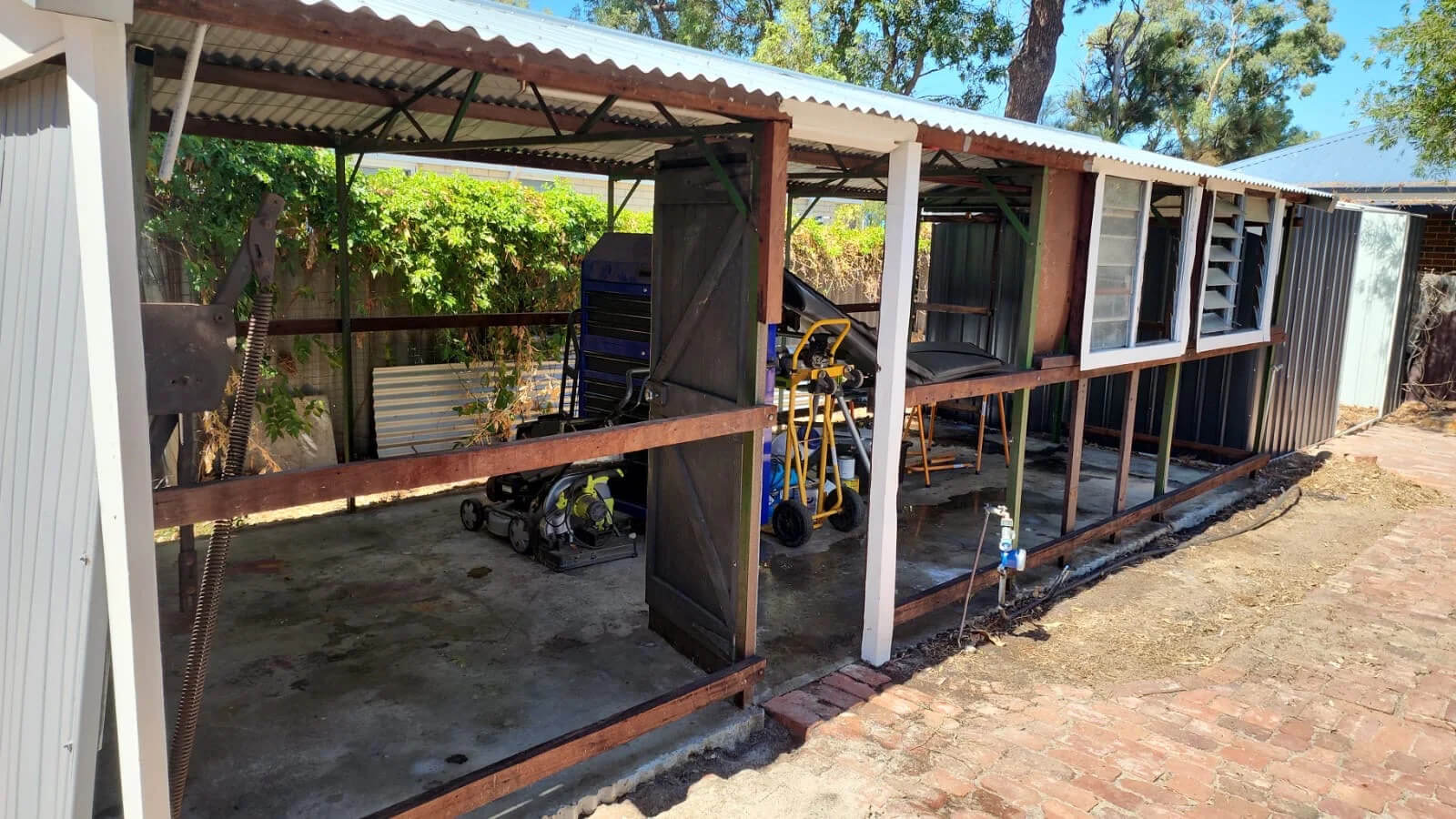
- Check the age of the building and any past renovations. If it was built or renovated before 1990, assume asbestos could be present somewhere.
- Treat old sheeting, eaves, flooring and fencing as suspect until tested. We send samples to a NATA-accredited laboratory, so you get a confirmed result rather than a guess.
- Never use a household vacuum, power tools or a pressure washer on suspected asbestos. A domestic vacuum can spread fine dust through the house instead of capturing it. And, in Western Australia, high-pressure water cleaning of asbestos-containing products is prohibited because it may release fibres that can then be breathed in.
- Get advice before you disturb anything. A five-minute conversation costs far less than cleaning up contamination after the fact.
Keeping material damp with a low-pressure hose helps reduce dust, but wet asbestos still needs careful handling. Water lowers the risk. It doesn’t remove it.
A note for tradies, builders and facility managers
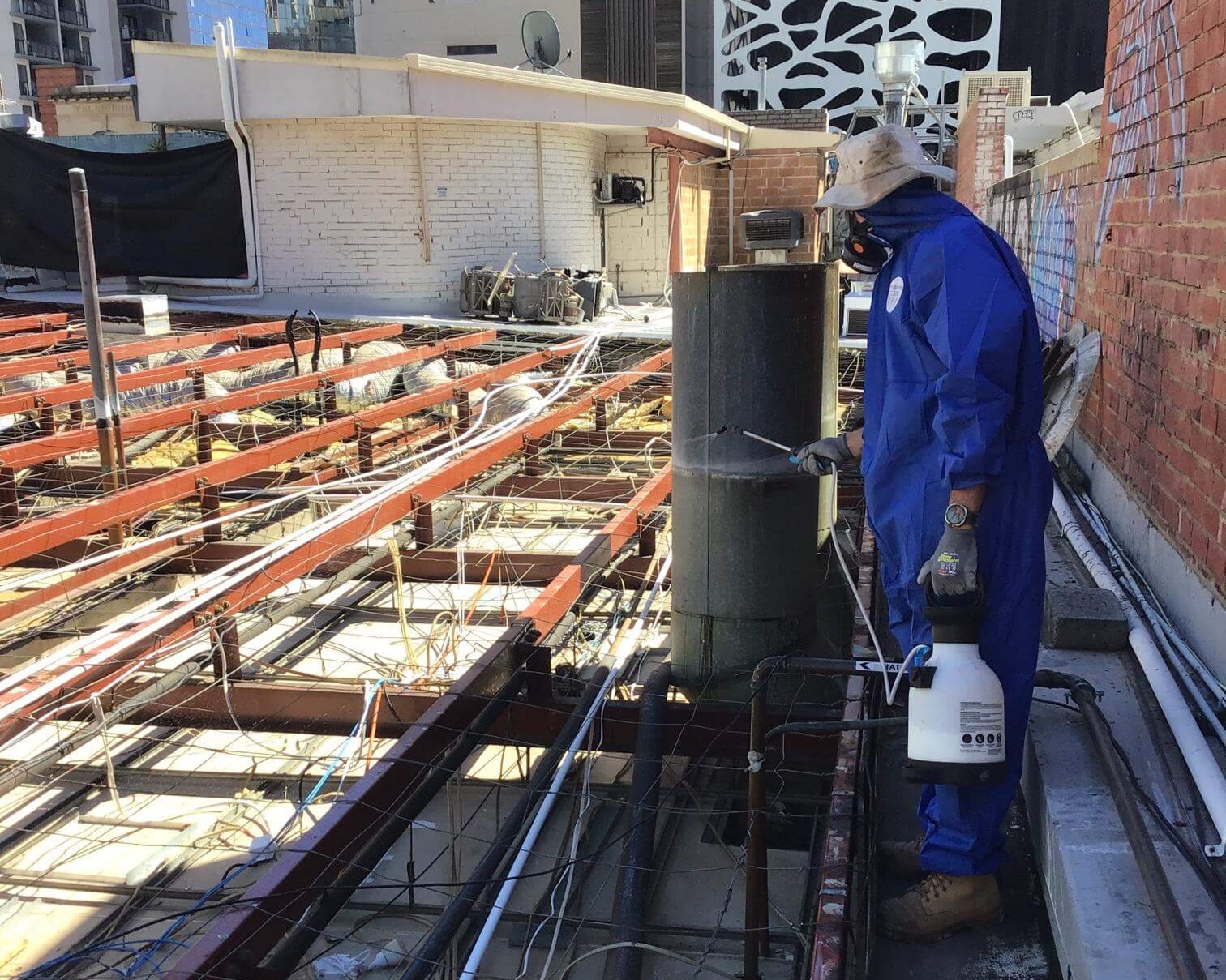
National Asbestos Awareness Week isn’t only aimed at weekend renovators. Electricians, plumbers, air conditioning installers and builders often meet asbestos first, because their work involves drilling, cutting and opening up walls and ceilings.
The licensing rules in WA are clear. More than 10 square metres of non-friable asbestos-containing material must be removed by a trained individual or business holding a Class A or Class B asbestos removal licence, and all friable asbestos removal must be done by a Class A licence holder.
We hold a Class B Asbestos Removal Licence (WR2032), which covers bonded, non-friable asbestos. If friable material turns up on your site, we’ll tell you straight away and help you work out the right next step with an appropriately licensed specialist.
For those larger or commercial projects, we can coordinate independent licensed asbestos assessors and hygienists for air monitoring and clearance inspections where they’re required, then manage the removal, compliant disposal and documentation. That keeps your project moving and gives you a clear paper trail for compliance.
Not sure about a material? Ask before you pick up the drill
Asbestos awareness is really about one habit: pausing before you disturb something you can’t identify. If you’re about to start work on an older Perth home, fence, shed or commercial building and something looks suspect, ask first.
One of our owners is on site for every job, and we’re always happy to talk it through. Asbestos testing is free when we complete the removal work for you.
Sources
- Asbestos and Silica Safety and Eradication Agency, National Asbestos Awareness Campaigns: https://www.asbestossafety.gov.au/our-work/national-asbestos-awareness-campaigns
- Asbestos and Silica Safety and Eradication Agency, National Asbestos Awareness Week: https://www.asbestossafety.gov.au/our-work/national-asbestos-awareness-campaigns/national-asbestos-awareness-week
- WorkSafe WA, Asbestos in Western Australia: https://www.worksafe.wa.gov.au/asbestos
- WorkSafe WA, Asbestos Law and Guidance: https://www.worksafe.wa.gov.au/asbestos-law-and-guidance
- WorkSafe Victoria, National Asbestos Awareness Week 2026: https://www.worksafe.vic.gov.au/asbestos
- SafeWork NSW, Stay Safe and Leave It to the Experts This National Asbestos Awareness Week: https://www.safework.nsw.gov.au/news/safework-media-releases/stay-safe-and-leave-it-to-the-experts-this-national-asbestos-awareness-week
Frequently asked questions
National Asbestos Awareness Week 2026 runs from 23 to 29 November. It’s held in late November each year, just as summer renovation season picks up.
They’re separate campaigns with the same goal. National Asbestos Awareness Week is run by ASSEA, while November is also promoted as National Asbestos Awareness Month, with Friday 27 November marked as Asbestos Awareness Day 2026.
You can’t confirm it by looking. If your home was built or renovated before 1990, suspect materials should be sampled and tested by a NATA-accredited laboratory before you disturb them.
Ten square metres or less of bonded (non-friable) asbestos can be removed without a licence, but you still need to work safely and dispose of it correctly. Anything over 10 square metres, or any friable asbestos, needs a licensed removalist.
Bonded asbestos that’s intact and left undisturbed is generally low risk. Keep an eye on its condition, and get advice before drilling, cutting or renovating near it.
Testing is free when we complete the removal work. Get in touch, and we’ll talk you through the options for your property. You can also see our asbestos pricing page here.