Updated June 16, 2026
Article highlights
- Asbestos is a naturally occurring silicate mineral used in many 20th-century products.
- Exposure occurs when fibres are released from damaged or disturbed materials.
- Friable asbestos is more dangerous than non-friable asbestos.
- Common asbestos-containing materials include cement, insulation, paint, floor tiles, and fencing.
- Professional testing and licensed removal are essential to prevent exposure.
You’ve probably heard about it, but what is asbestos? If you’re curious to understand more about this infamous building material and why it has such a bad rap, keep reading below to learn the truth behind asbestos and why it’s nothing to mess around with.
What is asbestos?
Wondering what asbestos is made from? The answer is naturally occurring silicate minerals.
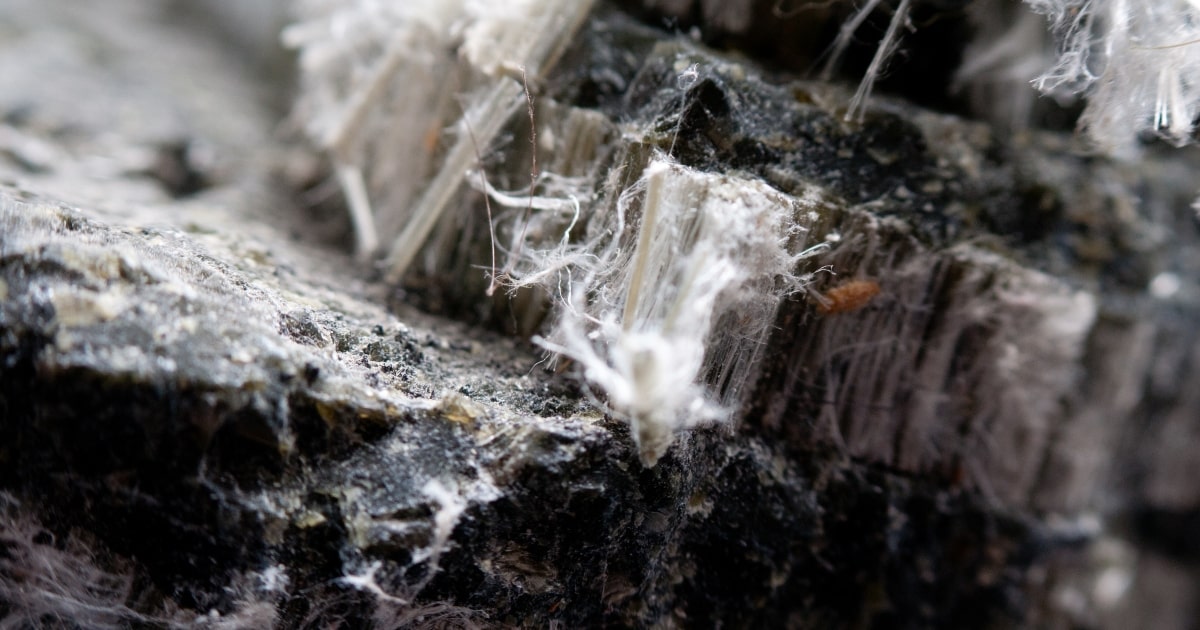
Asbestos is the collective name for a group of naturally occurring minerals. The fibres are long, thin, and heat, chemical, and fire-resistant, which made them widely used in consumer and building products throughout the 1900s.
Although now banned in Australia, asbestos-containing materials (ACMs) remain in many older residential and commercial buildings.
Asbestos was once widely used in various consumer products, especially in housing materials, but after it was discovered that inhaled or absorbed asbestos dust poses a significant health risk, asbestos-containing materials have been regulated or even banned in many countries, including Australia.
Worried your home or workplace may contain asbestos? Reach out to Rapid Asbestos Removals for professional inspection, safe testing, and licensed removal to protect your property and loved ones.
Where does asbestos come from?
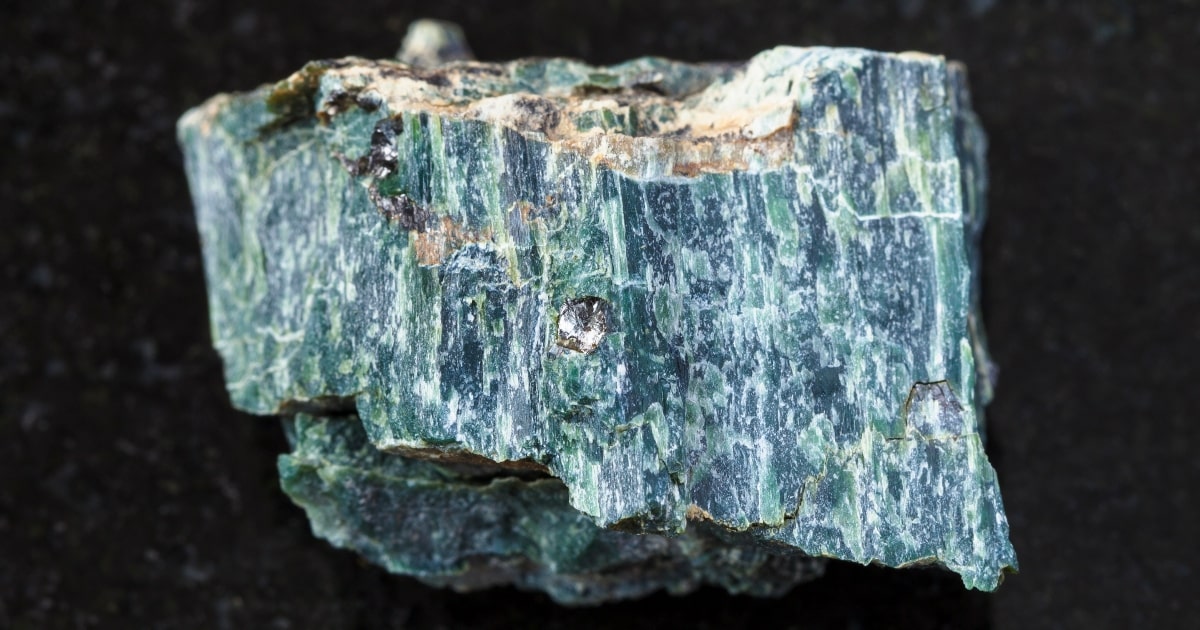
Asbestos is a family of six naturally occurring minerals and can be found in a variety of rock types, such as serpentine and metamorphic rocks, as well as certain soils. It was historically mined in the United States, and today is still exported by countries including Russia, China, and Kazakhstan.
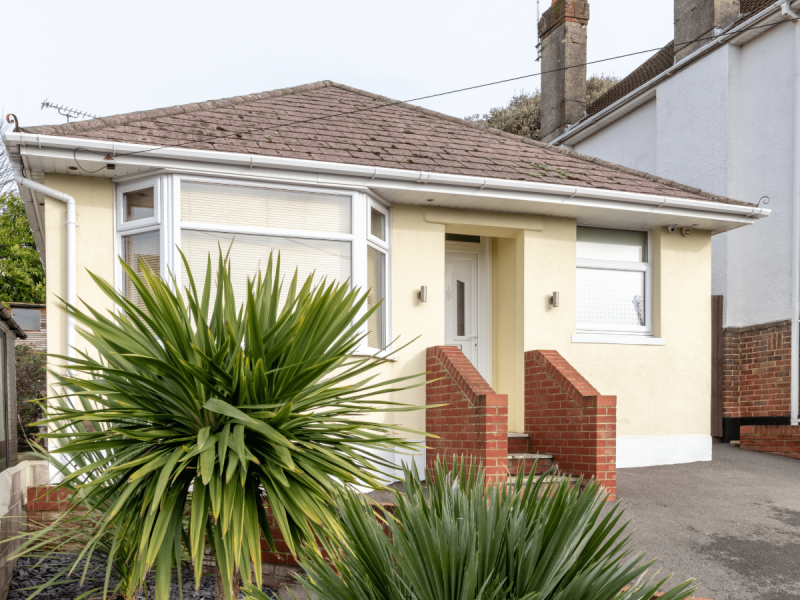
Within Australia, asbestos is found naturally in the outback, but its main risk comes from asbestos used in building materials in properties constructed before 2003.
Asbestos mining was prominent in the 1900s, but the product has been subjected to different regulations and is less popular today, though it is still occasionally used in manufacturing.
How is asbestos made into building materials?
Asbestos became a very popular material in the 20th century, thanks to its high heat and fire resistance, electrical insulation properties and chemical resistance.
The manufacturing of asbestos-containing materials (ACMs) typically involved:
- Locating an asbestos vein in rock deposits.
- Mining the asbestos from the ground by blasting or drilling away layers of earth to access the vein.
- The ore is treated to separate the asbestos fibres for further use. If the manufacturing process uses water to control air dispersion of asbestos fibres, the fibres are crushed, screened and sized, then formed into pellets and dried. These pellets can be shipped as is or further processed to create fibres.
- Manufacturers combine asbestos minerals with other materials to create finished products, including insulation, cement sheets, flooring, and roofing materials.
Common asbestos-containing materials
In the past, ACMs could include everything from fire-retardant clothing, blankets, and oven gloves to building materials and automotive supplies.
While asbestos bans and the passage of time have removed many asbestos-containing products from everyday life, the longevity of buildings means that many homes and other properties still contain asbestos, especially if the building was constructed before the 1990s.
Some of the most common asbestos-containing materials found in residential and commercial areas include products such as:
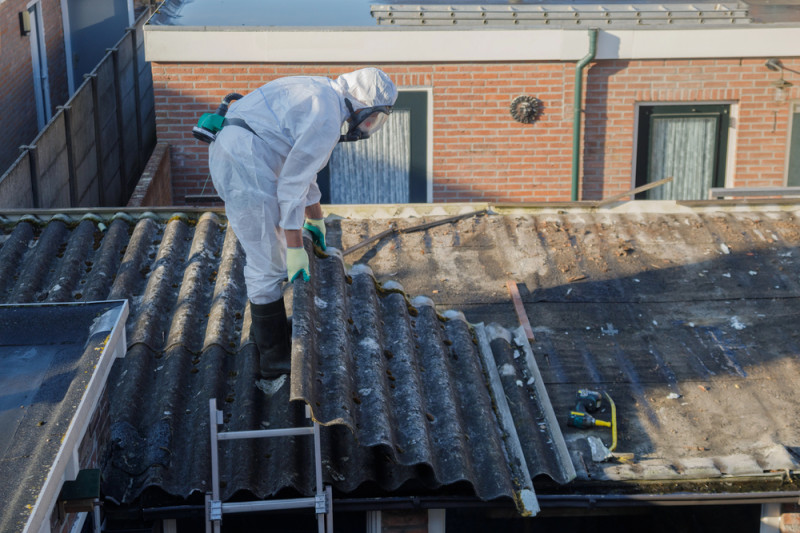
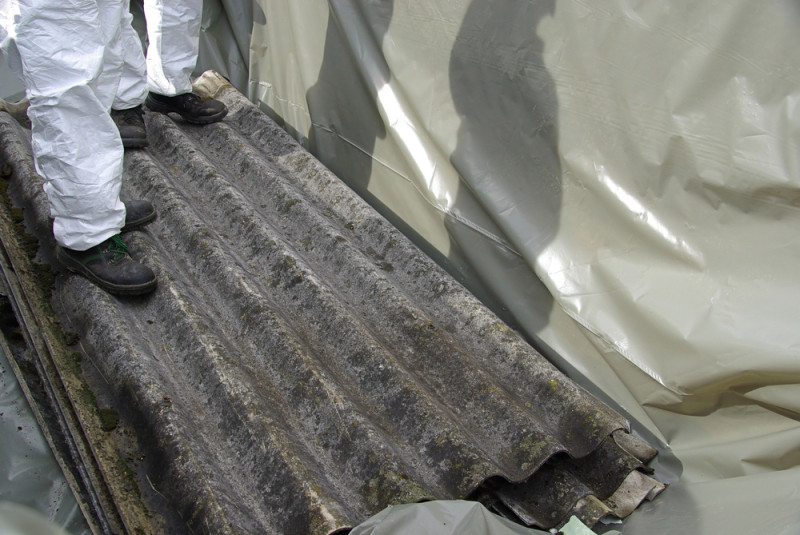
- Cement products (roof tiles, fencing, eaves)
- Insulation materials (pipe wrap, ceiling insulation)
- Vinyl floor tiles
- Paints and textured coatings
- Roofing materials and roof tiles
- Fencing
- Walls and eaves
- Older consumer products
The presence of asbestos-containing products increases your risk of asbestos exposure, especially if you’re planning on renovating or tearing down a building, or if the building has sustained damage from weather, human interference, or the passage of time.
Are all asbestos-containing materials dangerous?
Yes. It is important to note that all types of asbestos are dangerous, even deadly. But what makes them such a health risk, and is it possible that some ACMs are more dangerous than others?
Even undisturbed asbestos can be hazardous. Don’t take risks; contact Rapid Asbestos Removals for expert guidance, testing, and safe removal of asbestos from your home or workplace.
Why asbestos is dangerous
Asbestos fibres are microscopic and can remain airborne for days. Inhalation or ingestion can cause irreversible damage to your lungs and serious health conditions, including:
Asbestos fibres are released from asbestos-containing materials (ACM) when the ACM is damaged or removed. Because these fibres are invisible to the eye, it’s impossible to tell if a space is contaminated unless you have the proper tools to test the air. This makes accidental exposure very likely without professional assessment and handling if you aren’t trained in asbestos removal.
Friable vs non friable asbestos
ACMs can be divided into two different categories: friable and non-friable.
- Friable asbestos refers to an asbestos-containing product that is damaged or becoming fragile due to wear and tear. This is the most dangerous type of ACM as it can release fibres easily, and is likely already in the air being inhaled.
- Non-friable asbestos still holds its structural integrity, meaning it likely isn’t releasing airborne asbestos fibres. Non-friable ACMs are bonded materials that are a lower risk if intact, but fibres may be released if damaged during renovations or wear.
Removing ACMs before they become friable is essential to prevent inhalation. Licensed professionals should always handle asbestos removal to protect yourself and your family from accidental exposure.
Don’t stress about asbestos — reach out to our expert team today
Even though asbestos is banned in Australia, pre-2003 homes and buildings likely contain asbestos materials. If you suspect asbestos in your property, Rapid Asbestos Removals can inspect, sample, test, and safely remove contaminated materials.
Our trained specialists are ready to help. Contact us today for more information about our free asbestos testing, or to enquire about your project.
Get in touch to arrange asbestos testing or removal
FAQs about asbestos
Asbestos is a naturally occurring group of silicate minerals with heat, fire, and chemical-resistant fibres.
Asbestos can be found in a variety of rock types, such as serpentine rock and metamorphic rocks, as well as in soil in certain areas.
Common locations you may find ACMs used include ceilings, floors, walls, roofs, insulation, paint, fencing, and older household products.
Yes. Asbestos occurs in certain rocks and soils across Australia, particularly in the outback, but exposure risk mainly comes from manufactured materials in buildings.
Some of the most common examples include asbestos insulation, construction materials, cement products, paint, floor coverings, floor tiles, vinyl flooring, insulation materials, roof tiles, ceiling tiles, and fencing.
Yes. All asbestos types can release fibres when damaged, creating serious health risks if inhaled or ingested. This can cause irreparable damage to the lungs, leading to asbestos-related disease such as asbestosis, mesothelioma, and lung cancer.
No. Even non-friable asbestos can release fibres if disturbed. It is always best to avoid all types of asbestos products and to always use licensed asbestos professionals for testing, removal, and disposal.
Yes. We work with schools, office buildings, property developers, and facility managers to inspect, test, and safely remove asbestos-containing materials. For more information, see our commercial asbestos removal page.
We provide asbestos inspection, testing, removal, and disposal services across the Perth metropolitan area and surrounding regions.
We service a wide range of suburbs across WA, including Tapping, Mullaloo, Neerabup, Ocean Reef, Osborne Park, Pinjar, Quinns Rocks, Wangara, Wanneroo, Woodvale, Two Rocks, Cowalla, Geraldton, Green Head, Guilderton, Jurien Bay, Lancelin, Ledge Point, Moore River, Mount Adams, Red Gully, Bassendean, Middle Swan, Beechboro, Bennett Springs, Caversham, Brabham, Helena Valley, Forrestfield, Kalamunda, Carmel, Canning Mills, Maddington, Orange Grove, Roleystone, Karragullen, Lesley, Pickering Brook, Armadale, Augusta, Bridgetown, Bunbury, Burekup, Busselton, Collie, Cowaramup, Donnelly River, Donnybrook, Balcatta, Bayswater, Dunsborough, Bedford, Dwellingup, Kingsley, Malaga, Gracetown, Morley, Harvey, Warwick, Yanchep, Manjimup, Crawley, Cambridge, Margaret River, Scarborough, Nannup, Stirling, Wembley, Pemberton, Ascot, Walpole, Ashfield, Yallingup, Darlington, Guildford, York, High Wycombe, Maylands, Northam, Midland, Toodyay, Midvale, Red Hill, Gilgering, Quairading, Redcliffe, Bruce Rock, Beckenham, Corrigin, Belmont, Beverley, Carlisle, Merredin, Fremantle, Henderson, Aglinton, Kensington, Alkimos, Myaree, and O’Connor.
For a full list of suburbs and more information about services in your area, visit our service areas page.