Updated June 22, 2026
Article highlights
- Asbestos is present in both homes and commercial properties across WA.
- Common hidden products include roofing, flooring, insulation, adhesives, and fencing.
- Friable asbestos is the most hazardous; non-friable materials must still be handled with care.
- Licensed testing and removal are essential to prevent exposure.
- Rapid Asbestos can inspect, sample, and safely remove asbestos across Perth and WA.
Asbestos was once widely used in various products and building materials across many industries before its health risks were fully understood. Even though asbestos is banned in Australia, older homes, commercial properties, and industrial sites in Perth and WA may still contain these materials. Knowing where asbestos might be found can help you protect your family, employees, and tenants.
In this blog post, we will discuss the different types of products that may contain asbestos, the risks of asbestos exposure, and how to arrange for safe asbestos removal.
Concerned that your home or commercial building may contain asbestos? Contact Rapid Asbestos Removals for professional inspection, safe testing, and licensed removal to protect your property.
1. Building products and construction materials
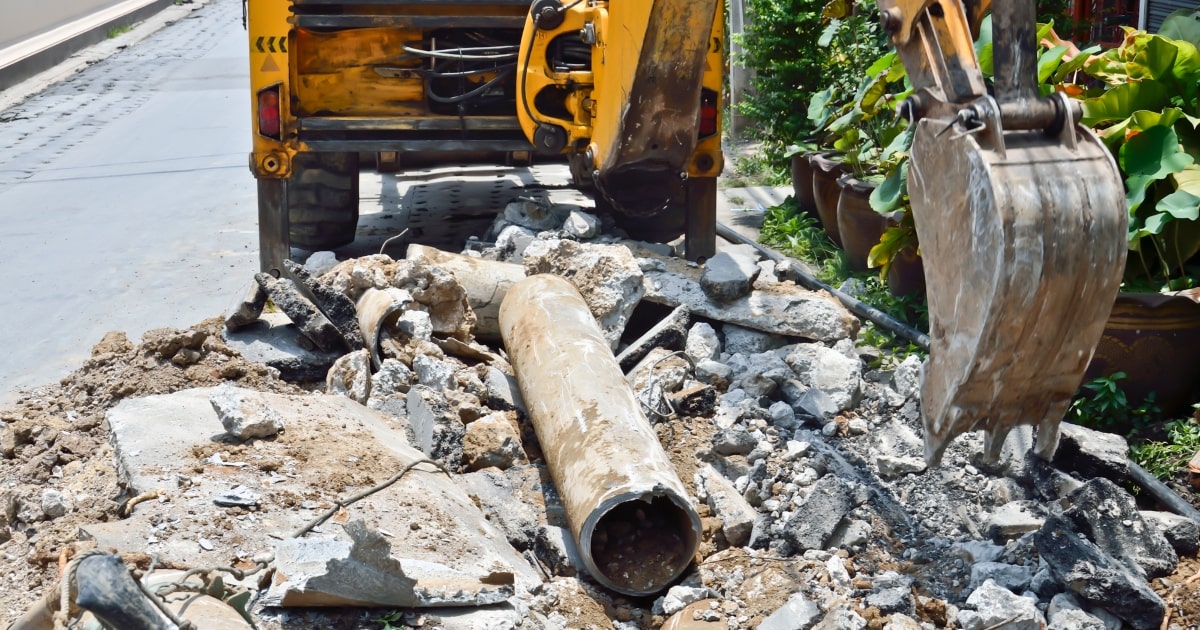
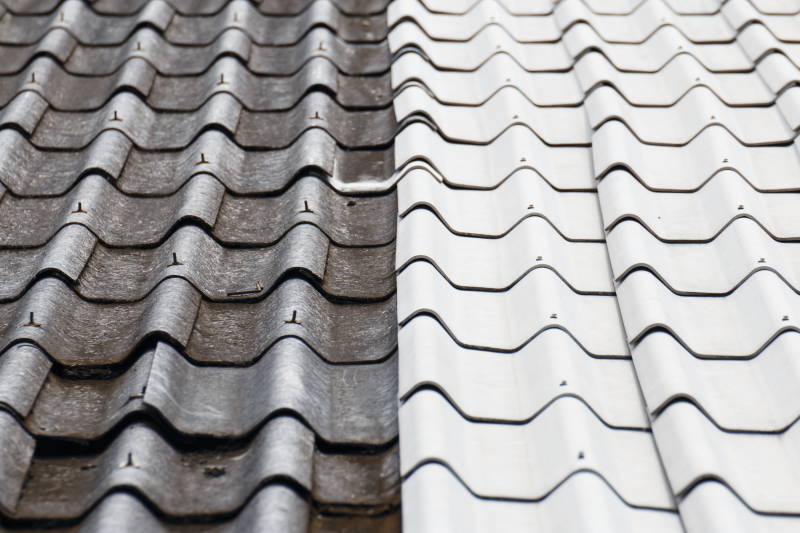
Asbestos-containing building materials were commonly used in Australia before the ban, and they may still be present in buildings constructed between the 1940s and 1990s. Such products may include asbestos roofing materials, fences, tiles, flooring, ceilings, insulation, wallboards, and asbestos cement products that often contain chrysotile fibres.
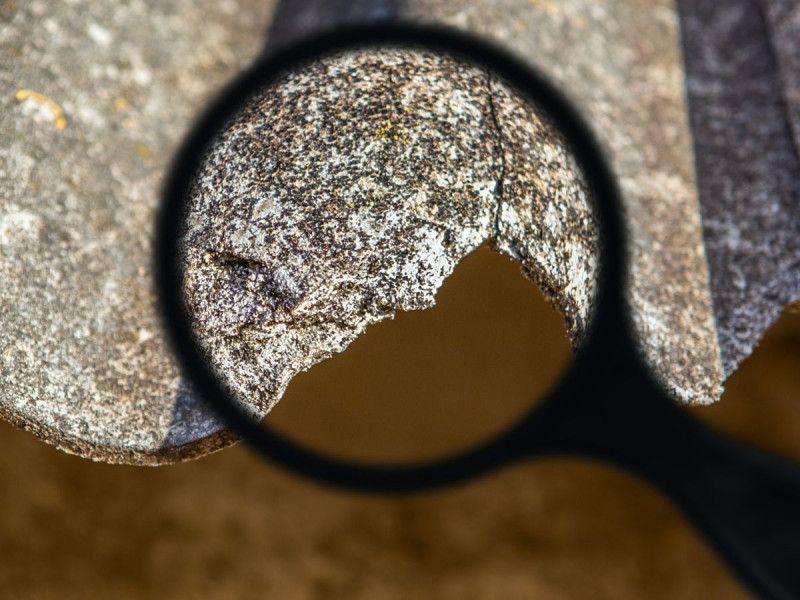
Asbestos can be difficult to identify, and the only way to confirm its presence is through testing. It’s essential to seek the professional services of experts to inspect for potential asbestos-containing materials and conduct asbestos testing.
Some of the building products that may contain asbestos include:
- Roofing tiles, shingles, guttering, ridge capping and eaves
- Wall and attic insulation, and ceiling tiles
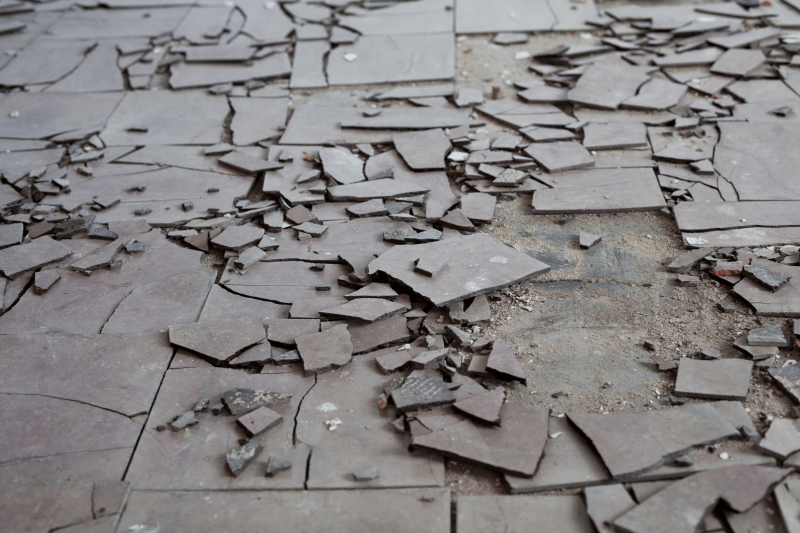
- Vinyl and linoleum floor tiles, including adhesives
- Pipe insulation, ductwork, and ceiling boards
- Asbestos cement products and transite (sheets, pipes, and panels)
- Electrical switchboards and joint compounds
- “Popcorn” ceilings and decorative plaster coatings in pre-1990 buildings
Even intact materials pose a risk if damaged. Testing by licensed professionals is the only way to confirm asbestos presence.
If you suspect any of these materials are in your home or workplace, contact our experienced team. We can inspect, test, and safely remove asbestos, ensuring your property is safe for you, your family, or your staff.
2. Consumer products
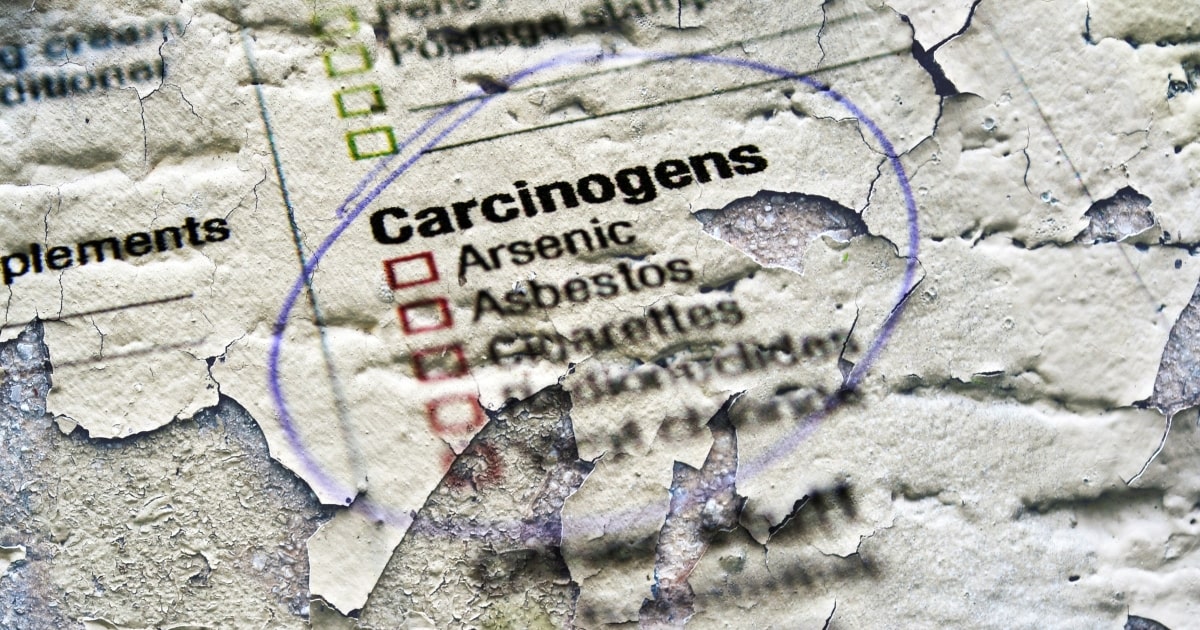
Consumer products containing asbestos were once quite common, with many household items containing asbestos fibres. However, with growing awareness of the risks of asbestos exposure, regulations now restrict its use in most consumer products. Nevertheless, it’s still possible that imported products may contain asbestos.
Some commonly found items that may contain asbestos material include:
- Hair dryers
- Popcorn makers
- Cigarette filters
- Ironing board covers
- Certain types of jewellery
- Some artificial Christmas trees
3. Fireproofing and fire-retardant products
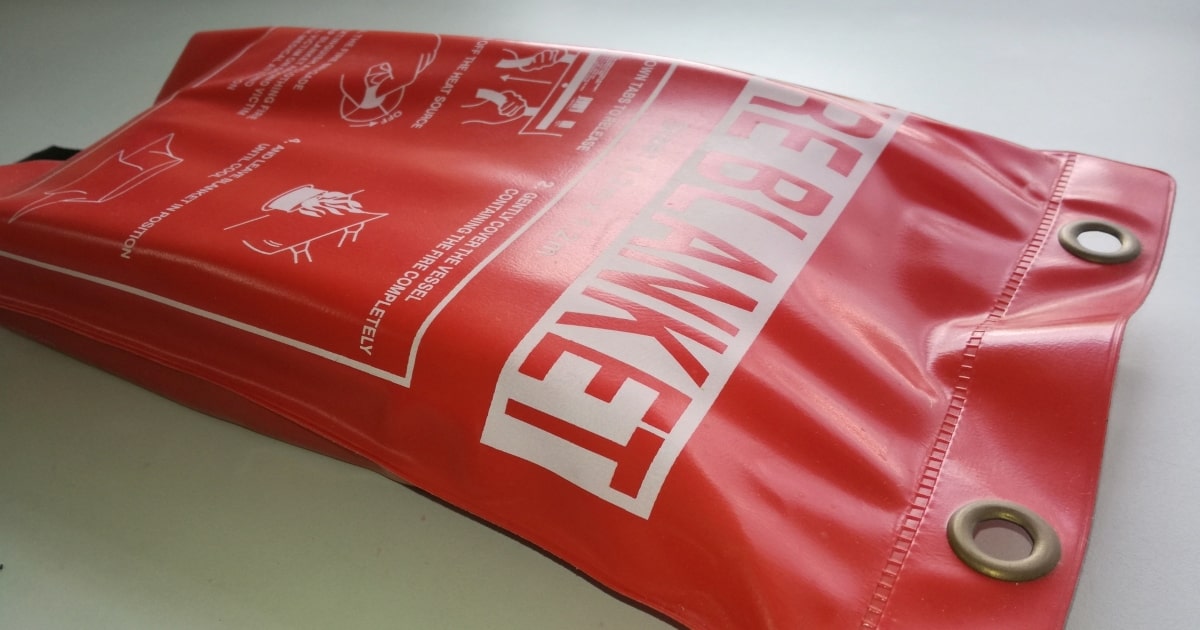
Because of its heat-resistant properties, asbestos was used in fireproofing materials.
These products may include fire-resistant fabrics, blankets, and curtains. Other fireproofing and fire prevention materials that may contain asbestos include tiles, textiles and pipes used for high-temperature applications. It’s essential to note that while asbestos-containing fire-resistant products exist, safer alternatives are now available.
Examples of fire-resistant products that may contain asbestos include:
- Fire blankets, curtains, fire doors and their frames
- Heat-resistant fabrics in oven mitts, gloves, and ironing board covers
- Fireproof safes
- Tiles, textiles, and pipes in high-temperature applications
- Spray-on fireproofing, pipe lagging, and loose-fill insulation in attics or roofs could also contain asbestos fibres
4. Adhesives and sealants
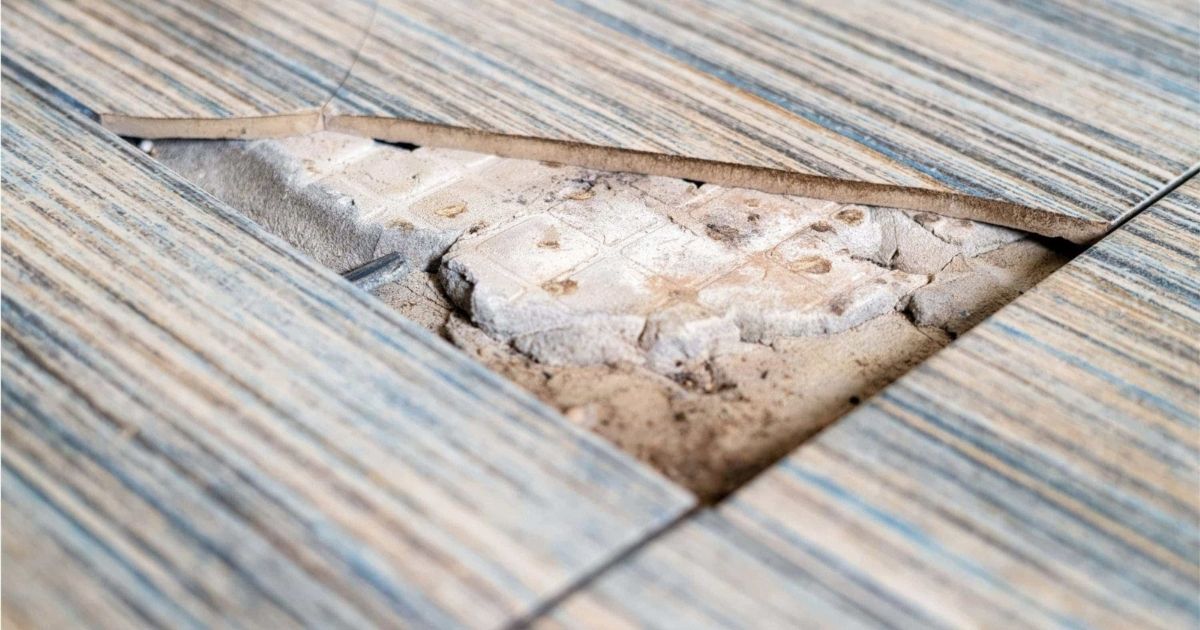
Joint compounds, caulking, and window putty may contain asbestos fibres, particularly in pre-1990 buildings. Vinyl and linoleum floor tiles also frequently contained asbestos, including the adhesives or mastics used to install them. These products were valued for their durability, fire resistance, and binding properties.
Even intact materials can release hazardous fibres if cut, drilled, or sanded. It is essential to have these materials inspected, sampled, and removed by licensed professionals. Rapid Asbestos Removals provides Perth homeowners and commercial clients with expert testing and safe removal services to minimise health risks and ensure compliance with WA regulations.
Common asbestos-containing adhesives and sealants include:
- Joint compounds and plaster fillers used in walls and ceilings
- Caulking around windows, doors, and plumbing
- Window putty and glazing compounds
- Adhesives and mastics for vinyl or linoleum floor tiles
- Tile-setting adhesives for walls or flooring
5. Cosmetics and personal care products
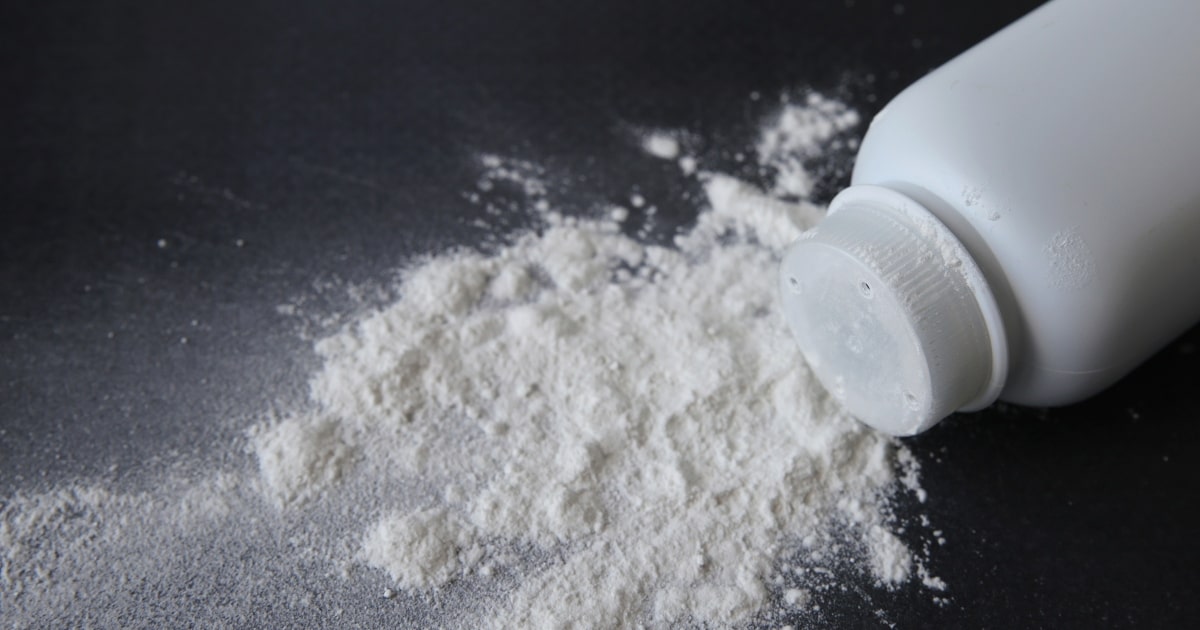
Although rare, asbestos has been found in certain makeup and personal care products, particularly talcum powder. Asbestos was formerly used as a filler in some talcum powders, but its use in these products has been banned in Australia since 2003.
Asbestos fibres can be inhaled when using such products, causing serious health problems. If you are unsure whether any personal care products contain talc, it’s best to research product safety online or speak to the manufacturer to confirm they are asbestos-free.
Some common personal care products that may contain asbestos include:
- Baby powder
- Body powder
- Eye shadows and other cosmetics that use talc
- Toothpaste
6. Transportation and automotive parts
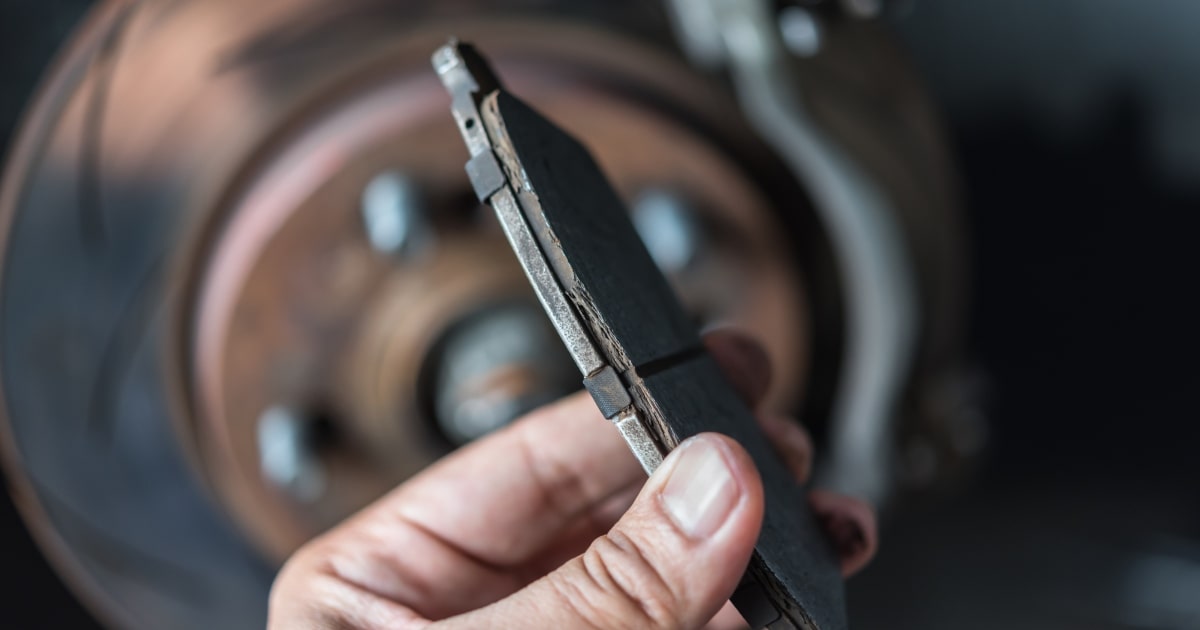
Asbestos was widely used in the automotive industry due to its heat resistance. Asbestos-containing products were used to manufacture brake and clutch linings in cars and other vehicles.
Brakes and clutches generate a lot of heat, and asbestos was used to help dissipate the heat, making it a common component in these parts. Although asbestos use in brakes and clutches has been banned, these products may still be found in older vehicles and machinery.
It’s important to use the services of experienced professionals who can correctly identify and safely remove asbestos-containing parts.
Here are some transportation, towing and automotive parts that could contain asbestos:
- Brake linings
- Brake pads
- Clutch facings and pads
- Heat shields
- Gaskets and insulation materials used in engines, exhaust systems, and transmissions
Health risks associated with asbestos
Asbestos products can pose a serious risk to our health if not handled with care. When asbestos-containing material is broken, fibres can become airborne, and when inhaled, they can get trapped in our lungs and cause asbestos-related diseases such as mesothelioma, lung cancer, asbestosis, and other respiratory illnesses.
Safe handling and removal
Licensed professionals are essential for asbestos management. Rapid Asbestos Removals provides:
- Residential and commercial asbestos inspection and testing
- NATA-accredited laboratory analysis of samples
- Safe removal of bonded (non-friable) asbestos
- Air monitoring and visual clearance inspections
Get in touch to arrange asbestos testing or removal
Seek professional advice when dealing with asbestos-containing materials
Exposure to asbestos can have severe and long-lasting health effects. While regulations have limited its use in new products, many older products may still contain asbestos. It is essential to seek professional help if you suspect that you may have asbestos-containing products in your home or workplace.
Contact the experienced team at Rapid Asbestos Removals today to ensure the safe and effective removal of any asbestos-containing materials. Our experienced team can provide expert inspection, testing, and safe asbestos removal and disposal services to ensure your safety and peace of mind.
Even products that appear intact can release asbestos fibres if damaged. Don’t take the risk; reach out to Rapid Asbestos Removals for expert guidance, sample testing, and safe asbestos removal.
FAQs about asbestos-containing materials
The short answer is that you can't reliably identify asbestos just by looking at a product. Asbestos fibres are microscopic and have no distinctive visual features. The only way to confirm if a material contains asbestos is through professional testing by a licensed asbestos removalist.
At Rapid Asbestos Removals, we inspect, sample, and send materials to a NATA-accredited laboratory to verify whether asbestos is present, ensuring safe handling and removal if required .
Common asbestos-containing products in older buildings include cement sheets, roofing tiles, wall and ceiling tiles, insulation, vinyl flooring and adhesives, spray coatings, and even talcum powder. Automotive parts such as brake pads and clutches may also contain asbestos. Both residential and commercial properties built before 1990 are at risk.
Yes. Asbestos use in building materials and consumer products was gradually phased out in Australia during the 1980s and fully banned in 2003. Any materials manufactured after this time should not contain asbestos, though older products remain in homes, workplaces, and commercial buildings.
Asbestos was valued for its durability, fire resistance, and insulation properties. It was commonly incorporated into cement sheets, flooring, roofing, insulation, adhesives, and automotive parts to enhance chemical and heat resistance in homes, commercial sites, and industrial applications.
The three primary types of asbestos used in WA were:
- chrysotile (white asbestos),
- amosite (brown asbestos),
- and crocidolite (blue asbestos).
Chrysotile was most widely used in cement sheets, roofing, insulation, and automotive brake linings, while amosite and crocidolite were used in insulation boards, cement, and spray-on coatings.
Exposure occurs when asbestos-containing materials are disturbed, releasing microscopic fibres into the air. Common risks exist during renovations, demolition, or damage to older homes and commercial buildings.
Workers in construction, shipbuilding, demolition, and trades that handle insulation or cement sheets are at higher risk. Licensed professionals should always manage inspection, testing, and removal to prevent airborne exposure.
Transite is a type of asbestos cement product that was widely used in construction due to its strength, durability, and fire-resistant properties. It is made by mixing chrysotile (white asbestos) fibres with cement, creating sheets, pipes, or panels suitable for roofing, walls, eaves, and refractory applications.
While it was popular from the early 1900s until around 1980, transite is hazardous. Disturbing or cutting the material can release asbestos fibres into the air, which may cause serious health issues such as mesothelioma and other asbestos-related diseases. Only licensed professionals should handle inspection, removal, and disposal of transite.
Yes. Many older commercial properties may contain asbestos-containing materials (ACMs), including schools, office buildings, factories, warehouses, sporting clubs, and facilities managed by property or facility managers.
Common locations include insulation, ceiling panels, roofing, wall cladding, and pipe wrap. Even intact materials can release fibres if disturbed. Rapid Asbestos Removals provides licensed inspection, testing, and safe removal services for these commercial sites, ensuring compliance with WorkSafe WA regulations and protecting staff, occupants, and visitors.