Updated July 23, 2026
Article highlights
- ACMs can be present in ceilings, walls, floors, roofs, insulation, and piping.
- Licensed asbestos surveys and registers are essential for compliance.
- Risk management includes monitoring, encapsulation, or licensed removal.
- Emergencies require evacuation, isolation, and professional assessment.
- Rapid Asbestos Removals provides expert workplace asbestos testing, removal, and reporting.
Managing asbestos-containing materials (ACMs) in the workplace is critical for ensuring employee safety and regulatory compliance. From schools and warehouses to offices, factories, and recreational facilities, asbestos can pose serious health risks if disturbed.
This guide explains what ACMs are, the steps for effective management, and how licensed professionals like Rapid Asbestos Removals can protect your workplace.
Are asbestos-containing materials present in your workplace? Get in touch with Rapid Asbestos Removals.
Understanding asbestos and asbestos-containing materials
What is asbestos?
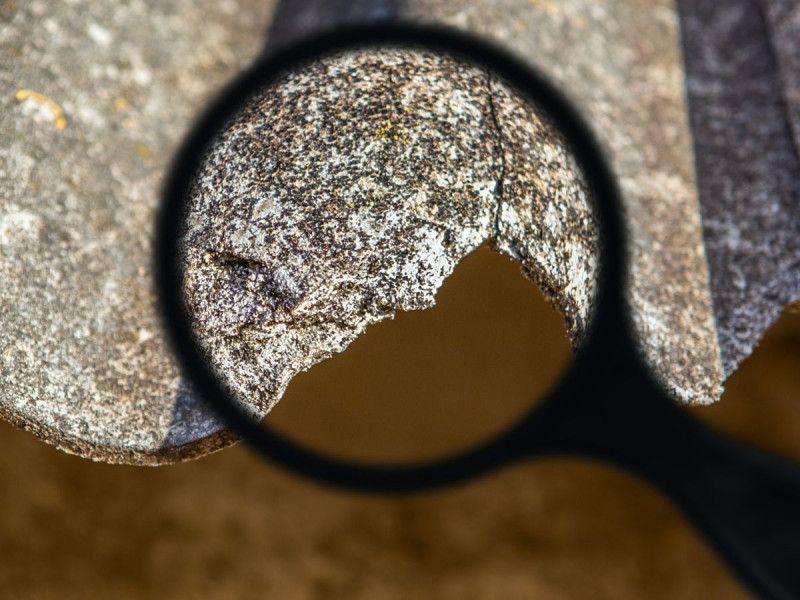
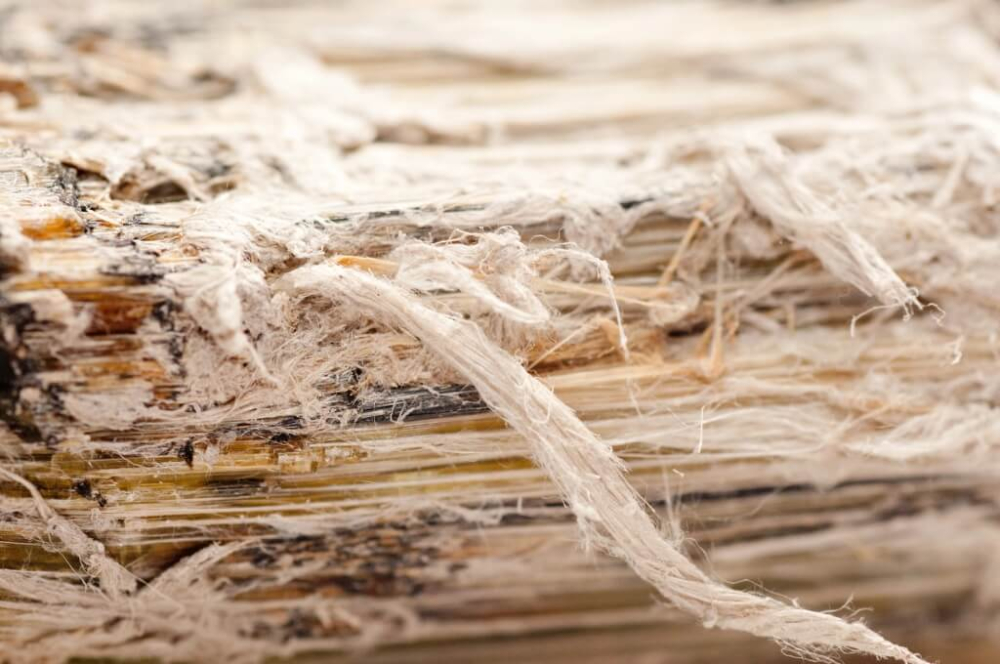
Asbestos is a naturally occurring mineral fibre once widely used in construction due to its strength, durability, and heat resistance. Prolonged exposure to airborne fibres can lead to mesothelioma, lung cancer, and other serious respiratory conditions.
What does ACM stand for?
ACM stands for Asbestos-Containing Material; any material containing more than 1% asbestos by weight.
Common ACMs in the workplace:
Insulation
- Pipe insulation: Asbestos lagging was widely used in commercial and industrial settings to insulate pipes, prevent heat loss, and reduce fire hazards. Over time, this insulation can become friable and release fibres if damaged or deteriorated.
- Boiler insulation: Boilers and other heat-producing equipment were often insulated with asbestos-containing materials. When these materials become brittle, they pose a significant health risk if disturbed.
Floor tiles
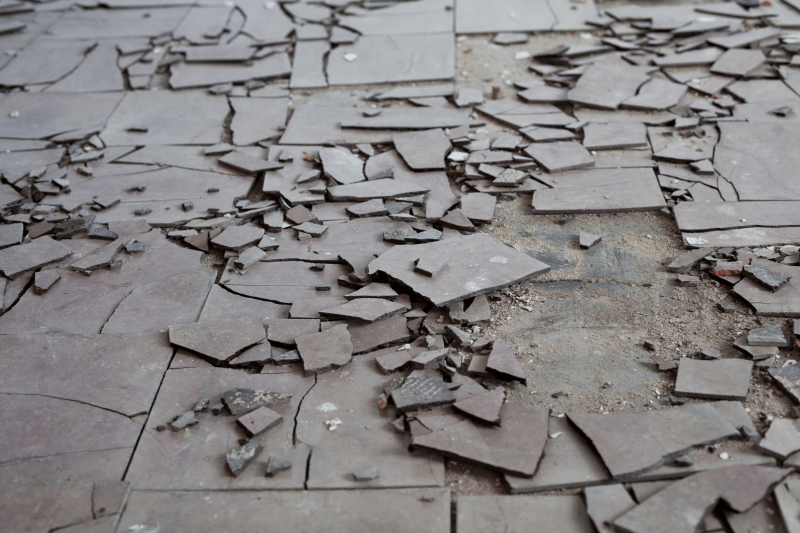
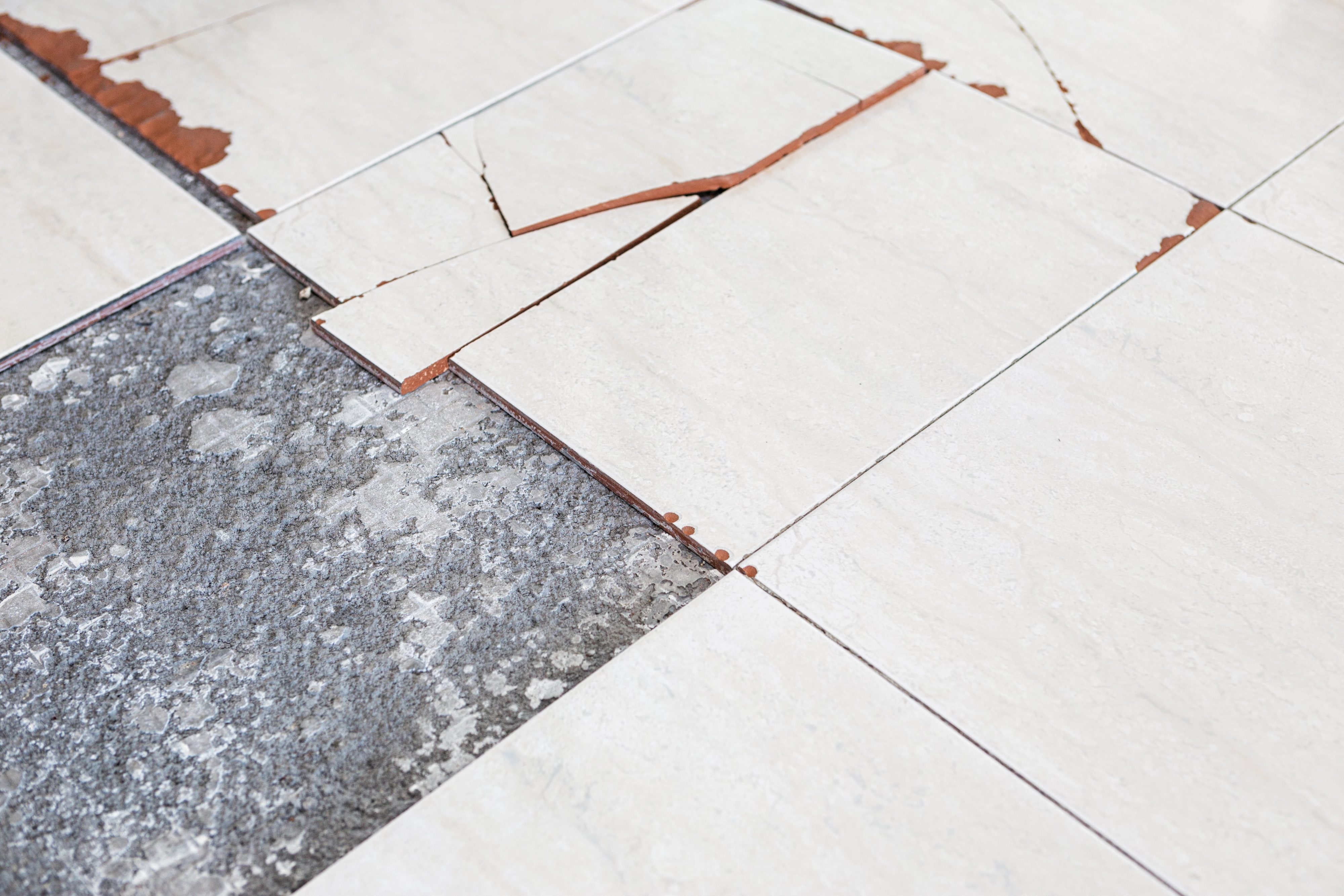
- Vinyl asbestos tiles: Asbestos-containing floor tiles were made by combining vinyl with asbestos fibres, creating a resilient flooring material. Generally non-friable, cutting, sanding, or breaking these tiles can release asbestos fibres.
- Backing and adhesives: The adhesives and backing materials used to install vinyl or linoleum tiles often contained asbestos. Disturbing these materials during removal or renovation can release fibres.
Roofing materials
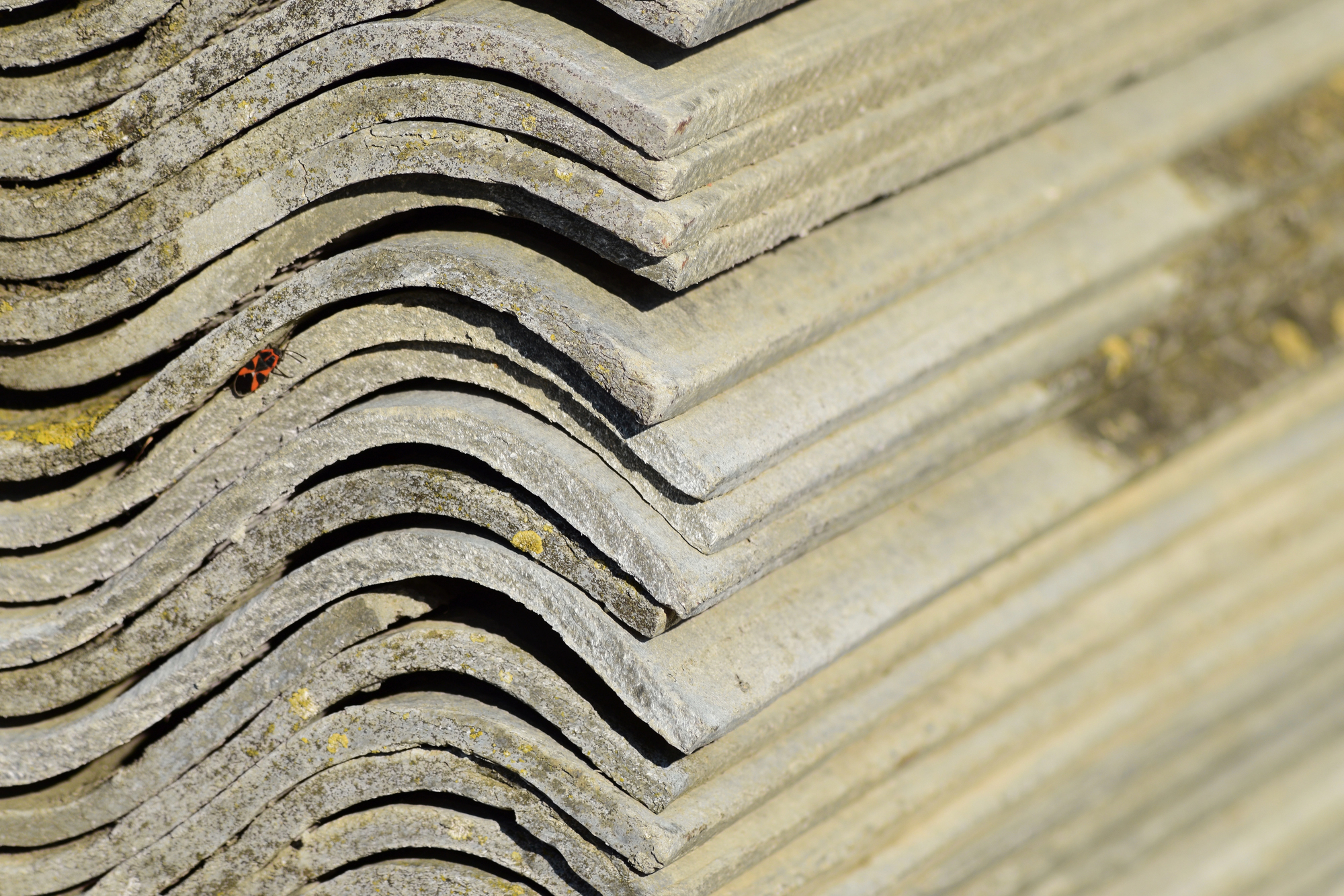
- Asbestos cement sheets: Commonly used for roofing and cladding, asbestos-containing roof sheets are durable and weather-resistant, but cutting, drilling, or breaking them releases fibres.
- Roof shingles: Some shingles were manufactured with asbestos to enhance fire resistance and durability. Deteriorated or damaged shingles pose a fibre exposure risk.
Cement products
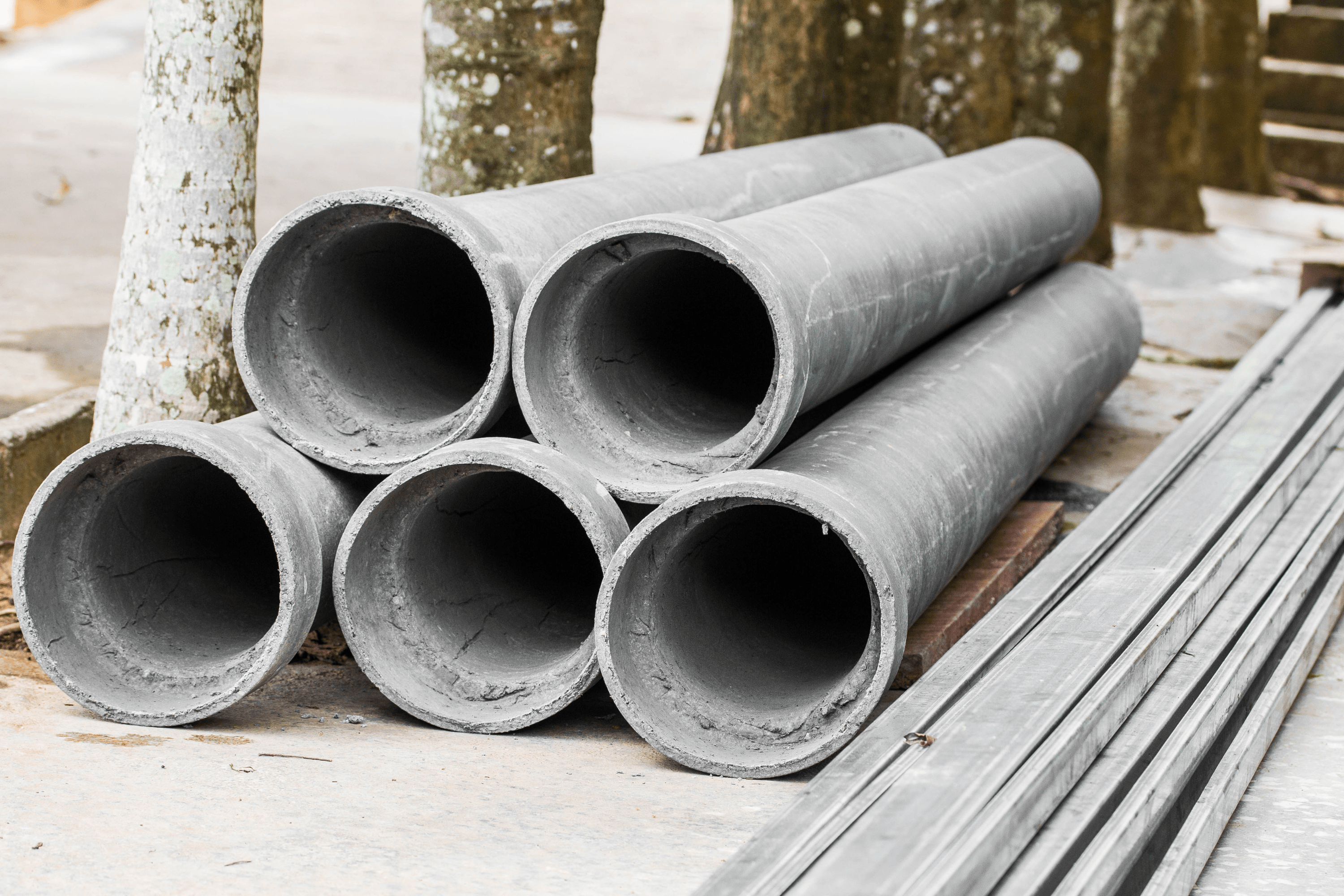
- Asbestos cement pipes: Used for water supply and drainage, these pipes are strong and corrosion-resistant but can become hazardous if cracked or broken.
- Asbestos cement panels: Used for walls, ceilings, and partitions; generally non-friable, but cutting or drilling can release fibres.
- Corrugated asbestos cement sheet: Used for roofing and siding, asbestos cement sheeting is strong and durable. Like other asbestos cement products, they can release fibres if they are damaged or cut.
Asbestos fencing
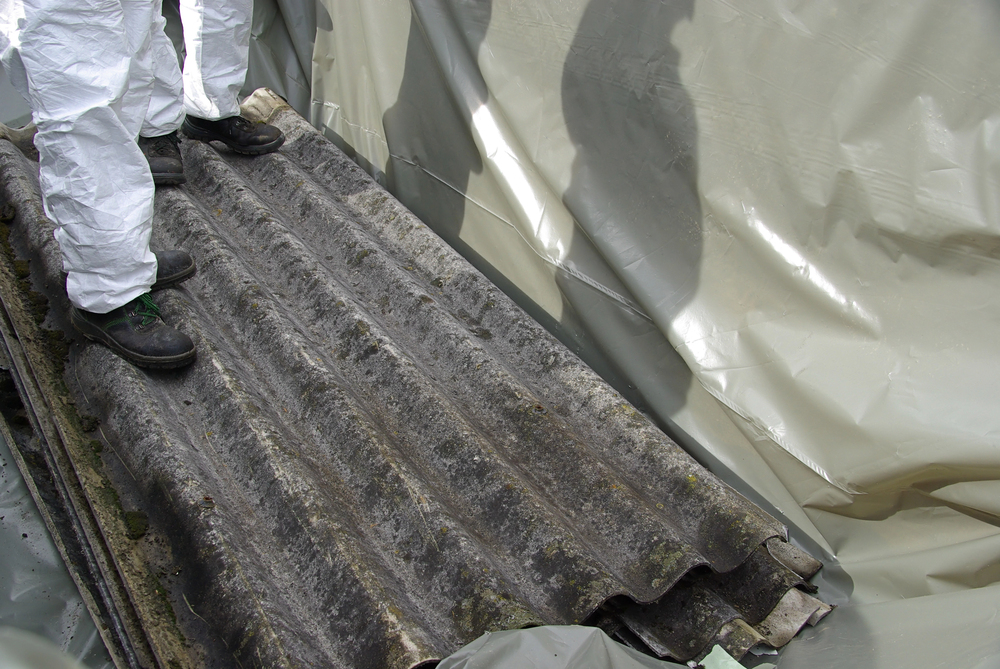
- Super 6 and other asbestos cement fencing: Frequently used for property boundaries on work sites and older residential or commercial properties. Disturbing or removing asbestos fence panels can release fibres into the air, making professional handling essential. Licensed asbestos removalists should inspect, test, and safely remove all asbestos fencing on workplace sites.
The importance of asbestos management
Why is managing asbestos important?
Proper management of asbestos is vital to prevent exposure to its hazardous fibres. When ACM is disturbed, fibres can become airborne and pose a significant health risk to anyone who inhales them. Managing asbestos effectively ensures compliance with WorkSafe WA regulations and protects the organisation from potential liability.
Legal requirements for asbestos management
Workplace asbestos management is governed by strict Australian regulations. Non-compliance can result in severe penalties and endanger worker health.
Steps to manage asbestos in the workplace
1. Conduct an asbestos survey
The first step in managing asbestos is to conduct a thorough asbestos survey and document details in the relevant asbestos register. This involves identifying and assessing the presence of ACM in your workplace. A professional asbestos surveyor can help you identify potential risks and develop a management plan.
2. Develop an asbestos management plan
An asbestos management plan outlines the procedures for managing or controlling asbestos in your workplace. This plan should be created by a health and safety representative and include:
- Identifying asbestos-containing materials and their location
- Assessment of the condition of ACM
- Procedures for regular monitoring and maintenance
- Emergency procedures in case of accidental disturbance
3. Regular monitoring and maintenance
Regular monitoring and maintenance of ACM are essential to ensure it remains in good condition. This includes periodic inspections and maintaining detailed records of any changes in the condition of ACM.
4. Asbestos removal and remediation
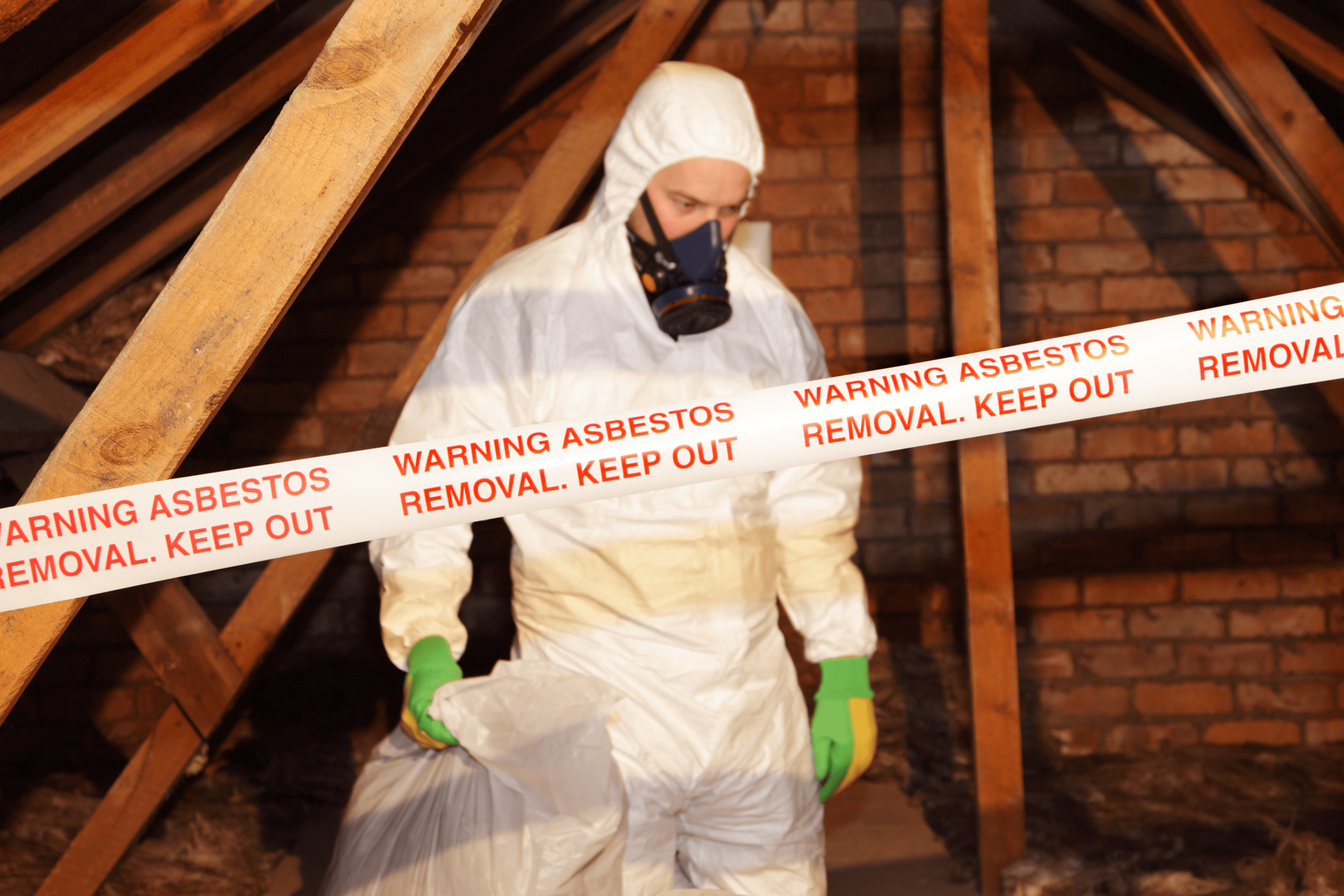
In some cases, removal or remediation of ACM may be necessary. This should only be carried out by a licensed asbestos removalist. Professional removal ensures that asbestos fibres are safely contained and disposed of in accordance with regulations.
Industries Rapid Asbestos Removals works with
Rapid provides specialised services across a wide range of industries, including:
- Commercial building asbestos removal for property owners & managers
- Asbestos removal for roofing companies
- Asbestos survey reporting for insurance and government clients
- Facility managers
- Property developers
- Apartment buildings
- Fencing contractors
- Builders and renovation companies
- Real estate and buyer’s agents
- Sporting clubs
- Mine sites
- Factories
- Warehouses
- Farms
- Work buildings
- Stadiums
- Schools
- Office buildings
- Retail buildings
- Border Force (imported goods)
- Industrial sites
- Gyms
- Leisure centres and recreational swimming pools
- Plumbers handling asbestos-containing pipes
- And more!
Do you require a licensed asbestos removalist? Get in touch with us at Rapid today.
Manage asbestos in your workplace with Rapid
Effective management of asbestos in the workplace is crucial to ensuring employee health and safety. By conducting regular surveys, developing a comprehensive management plan, and consulting with professionals such as Rapid Asbestos Removals, you can mitigate asbestos-related risks.
Ensure workplace safety by scheduling a professional asbestos survey today. Contact Rapid Asbestos Removals to learn more about our comprehensive asbestos management services, including:
- Professional surveys and sample testing
- Safe removal of bonded (non-friable) asbestos
- Air monitoring and visual clearance
- Detailed reporting for workplace compliance
FAQs about managing asbestos in the workplace
ACM stands for Asbestos-Containing Material, which includes any material containing more than 1% asbestos by weight.
A licensed asbestos survey can identify the presence, type, and condition of ACM in your building.
If asbestos-containing material is disturbed, evacuate the area immediately and contact a licensed asbestos removal professional to assess and manage the situation safely.
An asbestos register is a detailed document that lists all known or suspected ACMs, including their location, condition, and any removal or maintenance actions. It is created following a professional asbestos survey conducted by a qualified professional. The register provides valuable information about the presence and state of asbestos, helping employers ensure workplace compliance and risk management.
No. Managing or removing ACMs without proper licensing and training is dangerous. Always consult licensed professionals for inspection, testing, removal, and disposal.
Monitoring should be conducted at least annually, with more frequent inspections for damaged or high-risk materials, depending on the condition and location of asbestos-containing material (ACM).
Schools, warehouses, factories, offices, retail sites, gyms, recreational centres, and construction or renovation projects all benefit from structured asbestos management and licensed removal services.
Employers must identify, assess, manage, and control ACMs, maintain registers, and ensure staff are trained to handle asbestos safely, in compliance with WorkSafe WA and national regulations.